最佳实践:在 Go 中将 JSON 数据规范化为 API 结构体
来源:stackoverflow
2024-02-18 18:15:23
0浏览
收藏
编程并不是一个机械性的工作,而是需要有思考,有创新的工作,语法是固定的,但解决问题的思路则是依靠人的思维,这就需要我们坚持学习和更新自己的知识。今天golang学习网就整理分享《最佳实践:在 Go 中将 JSON 数据规范化为 API 结构体》,文章讲解的知识点主要包括,如果你对Golang方面的知识点感兴趣,就不要错过golang学习网,在这可以对大家的知识积累有所帮助,助力开发能力的提升。
问题内容
我对 go 还很陌生,正在尝试确定是否有更简洁的方法来完成从前端 (js) 到我的 api 的 json 数据的规范化。为了确保在从结构 (model.expense) 创建变量时使用正确的类型,我将有效负载转储到映射中,然后规范化并保存回结构。如果有人可以教我更好的方法来处理这个问题,我将不胜感激!提前致谢!
模型.费用结构:
type expense struct {
    id        primitive.objectid   `json:"_id,omitempty" bson:"_id,omitempty"`
    name      string               `json:"name"`
    frequency int                  `json:"frequency"`
    startdate *time.time           `json:"startdate"`
    enddate   *time.time           `json:"enddate,omitempty"`
    cost      primitive.decimal128 `json:"cost"`
    paid      []string             `json:"paid,omitempty"`
}
有问题的控制器:
func InsertOneExpense(w http.ResponseWriter, r *http.Request) {
    w.Header().Set("Content-Type", "application/json")
    w.Header().Set("Allow-Control-Allow-Methods", "POST")

    var expense map[string]interface{}
    json.NewDecoder(r.Body).Decode(&expense)

    var expenseName string
    if name, ok := expense["name"]; ok {
        expenseName = fmt.Sprintf("%v", name)
    } else {
        json.NewEncoder(w).Encode("missing required name")
    }

    var expenseFrequency int
    if frequency, ok := expense["frequency"]; ok {
        expenseFrequency = int(frequency.(float64))
    } else {
        expenseFrequency = 1
    }

    // Handle startDate normalization
    var expenseStartDate *time.Time
    if startDate, ok := expense["startDate"]; ok {
        startDateString := fmt.Sprintf("%v", startDate)
        startDateParsed, err := time.Parse("2006-01-02 15:04:05", startDateString)

        if err != nil {
            log.Fatal(err)
        }

        expenseStartDate = &startDateParsed
    } else {
        json.NewEncoder(w).Encode("missing required startDate")
    }

    // Handle endDate normalization
    var expenseEndDate *time.Time
    if endDate, ok := expense["endDate"]; ok {
        endDateString := fmt.Sprintf("%v", endDate)
        endDateParsed, err := time.Parse("2006-01-02 15:04:05", endDateString)

        if err != nil {
            log.Fatal(err)
        }

        expenseEndDate = &endDateParsed
    } else {
        expenseEndDate = nil
    }

    // Handle cost normaliztion
    var expenseCost primitive.Decimal128
    if cost, ok := expense["cost"]; ok {
        costString := fmt.Sprintf("%v", cost)
        costPrimitive, err := primitive.ParseDecimal128(costString)

        if err != nil {
            log.Fatal(err)
        }

        expenseCost = costPrimitive
    } else {
        json.NewEncoder(w).Encode("missing required cost")
        return
    }

    normalizedExpense := model.Expense{
        Name:      expenseName,
        Frequency: expenseFrequency,
        StartDate: expenseStartDate,
        EndDate:   expenseEndDate,
        Cost:      expenseCost,
    }

    // Do more things with the struct var...
}
正确答案
您可以定义 json.unmarshaljson 接口,然后根据需要手动验证数据。尝试这样的事情:
package main

import (
    "encoding/json"
    "fmt"
    "strconv"
)

type CoolStruct struct {
    MoneyOwed string `json:"money_owed"`
}

// UnmarshalJSON the json package will delegate deserialization to our code if we implement the json.UnmarshalJSON interface
func (c *CoolStruct) UnmarshalJSON(data []byte) error {
    // get the body as a map[string]*[]byte
    raw := map[string]*json.RawMessage{}
    if err := json.Unmarshal(data, &raw); err != nil {
        return fmt.Errorf("unable to unmarshal raw meessage map: %w", err)
    }

    // if we don't know the variable type sent we can unmarshal to an interface
    var tempHolder interface{}
    err := json.Unmarshal(*raw["money_owed"], &tempHolder)
    if err != nil {
        return fmt.Errorf("unable to unmarshal custom value from raw message map: %w", err)
    }

    // the unmarshalled interface has an underlying type use go's typing
    // system to determine type conversions / normalizations required
    switch tempHolder.(type) {
    case int64:
        // once we determine the type of the we just assign the value
        // to the receiver's field
        c.MoneyOwed = strconv.FormatInt(tempHolder.(int64), 10)
    // we could list all individually or as a group; driven by requirements
    case int, int32, float32, float64:
        c.MoneyOwed = fmt.Sprint(tempHolder)
    case string:
        c.MoneyOwed = tempHolder.(string)
    default:
        fmt.Printf("missing type case: %T\n", tempHolder)
    }
    // success; struct is now populated
    return nil
}

func main() {
    myJson := []byte(`{"money_owed": 123.12}`)
    cool := CoolStruct{}
    // outside of your struct you marshal/unmarshal as normal
    if err := json.Unmarshal(myJson, &cool); err != nil {
        panic(err)
    }
    fmt.Printf("%+v\n", cool)
}
输出:{moneyowed:123.12}
游乐场链接:https://go.dev/play/p/glstubwpccx
文中关于的知识介绍,希望对你的学习有所帮助!若是受益匪浅,那就动动鼠标收藏这篇《最佳实践:在 Go 中将 JSON 数据规范化为 API 结构体》文章吧,也可关注golang学习网公众号了解相关技术文章。
版本声明
本文转载于:stackoverflow 如有侵犯,请联系study_golang@163.com删除
 快速高效安装pandas库的方法和技巧
- 上一篇
- 快速高效安装pandas库的方法和技巧
- 下一篇
- 深入解析Java数据类型:探索数据类型的奥秘
查看更多
最新文章
-
- Golang · Go问答 | 1小时前 | go · https · net/http · GetCertificate TLS配置 Go ServeTLS TLSConfig.Certificates GetConfigForClient 内存证书
- Go http.Server.ServeTLS 证书文件为空时如何使用 TLS 配置
- 168浏览 收藏
-
- Golang · Go问答 | 1小时前 | 标准库 · 错误处理 · Go问答 · Go Content-Type mime.ParseMediaType ErrInvalidMediaParameter
- Go mime.ParseMediaType 返回类型和错误同时存在时该怎么处理
- 374浏览 收藏
-
- Golang · Go问答 | 1小时前 |
- Go http.Server.ConnContext 怎么为每条连接附加自定义元数据
- 313浏览 收藏
-
- Golang · Go问答 | 1小时前 |
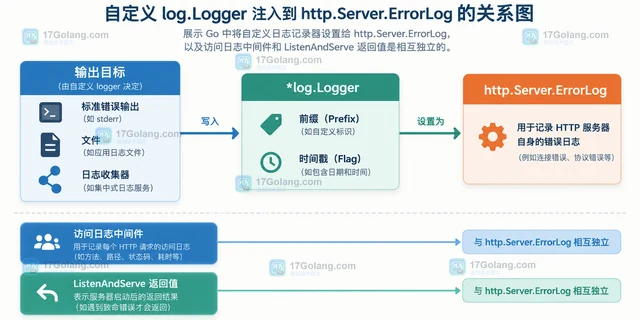
- Go http.Server.ErrorLog 怎样接管服务器内部错误输出
- 151浏览 收藏
-
- Golang · Go问答 | 1小时前 |
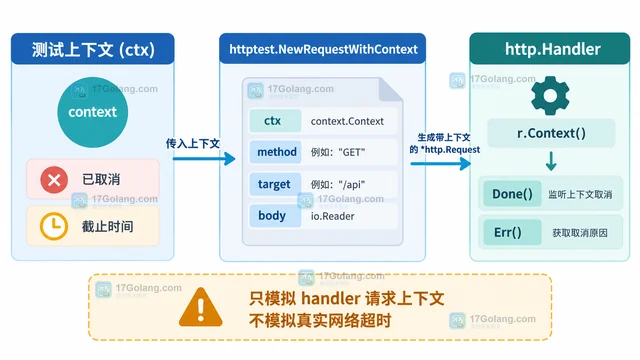
- Go httptest.NewRequestWithContext 怎样测试请求上下文取消
- 230浏览 收藏
-
- Golang · Go问答 | 1小时前 |
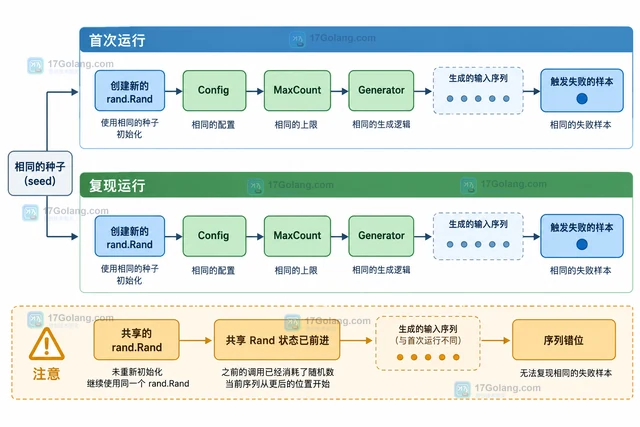
- Go testing/quick.Check 失败后怎样复现同一组输入
- 352浏览 收藏
-
- Golang · Go问答 | 1小时前 |
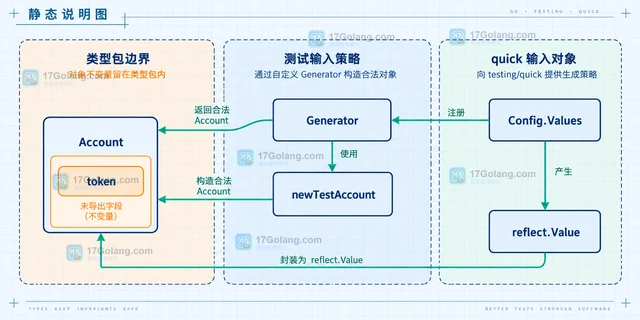
- Go testing/quick.Value 为什么会拒绝含未导出字段的结构体
- 236浏览 收藏
-
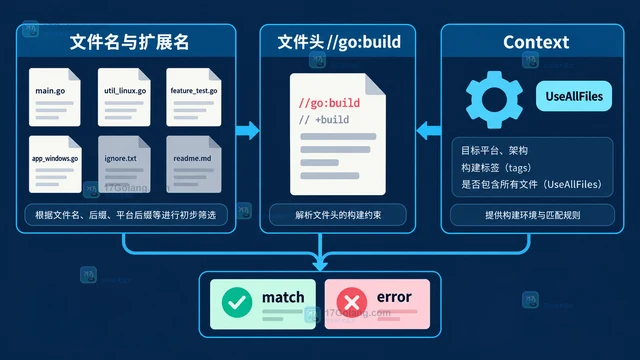
- Golang · Go问答 | 1小时前 | go · Go GOOS go/build Context.MatchFile 文件名约束
- Go go/build.MatchFile 为什么会受 GOOS 和文件名约束影响
- 261浏览 收藏
-
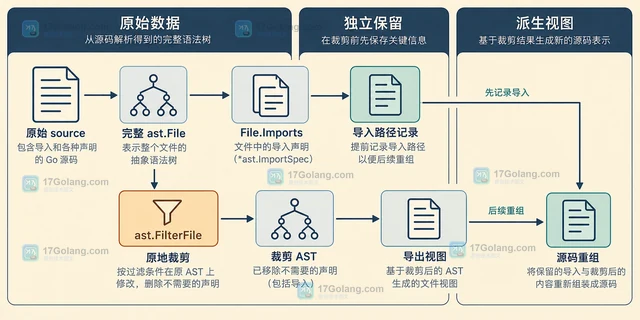
- Golang · Go问答 | 1小时前 |
- Go ast.FilterFile 过滤声明时为什么会删除导入
- 417浏览 收藏
-
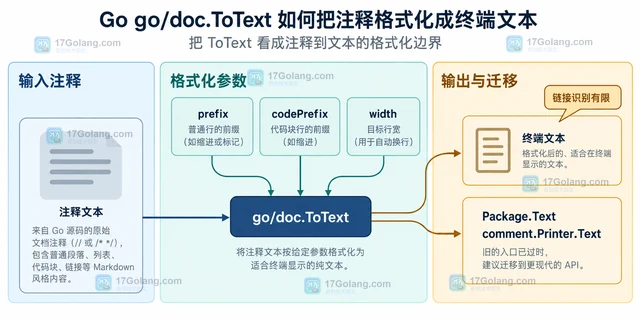
- Golang · Go问答 | 1小时前 |
- Go go/doc.ToText 如何把注释格式化成终端文本
- 250浏览 收藏
-
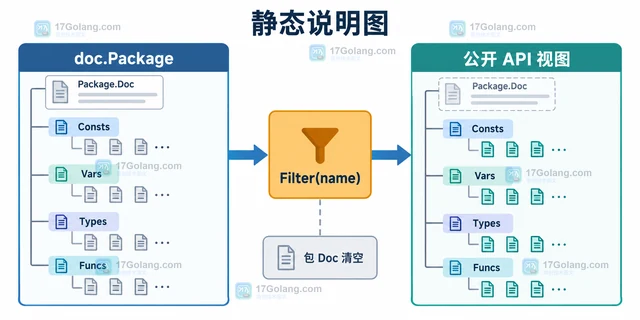
- Golang · Go问答 | 1小时前 | 标准库 · go · Go go/doc.Filter 文档树 未导出声明 公开API
- Go go/doc.Filter 怎样从文档树中移除未导出声明
- 178浏览 收藏
查看更多
课程推荐
-
- 前端进阶之JavaScript设计模式
- 设计模式是开发人员在软件开发过程中面临一般问题时的解决方案,代表了最佳的实践。本课程的主打内容包括JS常见设计模式以及具体应用场景,打造一站式知识长龙服务,适合有JS基础的同学学习。
- 543次学习
-

- GO语言核心编程课程
- 本课程采用真实案例,全面具体可落地,从理论到实践,一步一步将GO核心编程技术、编程思想、底层实现融会贯通,使学习者贴近时代脉搏,做IT互联网时代的弄潮儿。
- 516次学习
-
- 简单聊聊mysql8与网络通信
- 如有问题加微信:Le-studyg;在课程中,我们将首先介绍MySQL8的新特性,包括性能优化、安全增强、新数据类型等,帮助学生快速熟悉MySQL8的最新功能。接着,我们将深入解析MySQL的网络通信机制,包括协议、连接管理、数据传输等,让
- 500次学习
-
- JavaScript正则表达式基础与实战
- 在任何一门编程语言中,正则表达式,都是一项重要的知识,它提供了高效的字符串匹配与捕获机制,可以极大的简化程序设计。
- 487次学习
-

- 从零制作响应式网站—Grid布局
- 本系列教程将展示从零制作一个假想的网络科技公司官网,分为导航,轮播,关于我们,成功案例,服务流程,团队介绍,数据部分,公司动态,底部信息等内容区块。网站整体采用CSSGrid布局,支持响应式,有流畅过渡和展现动画。
- 485次学习
查看更多
AI推荐
-
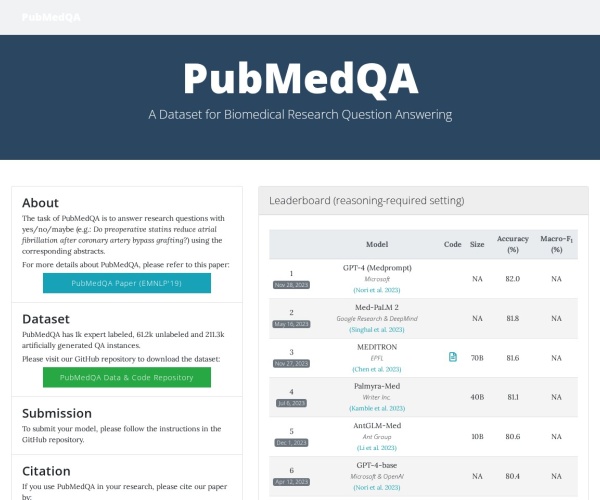
- PubMedQA
- 深入了解PubMedQA生物医学问答数据集,涵盖其核心功能、使用方法及在临床决策、药物研发等场景的应用,助力提升NLP模型性能。
- 450次使用
-
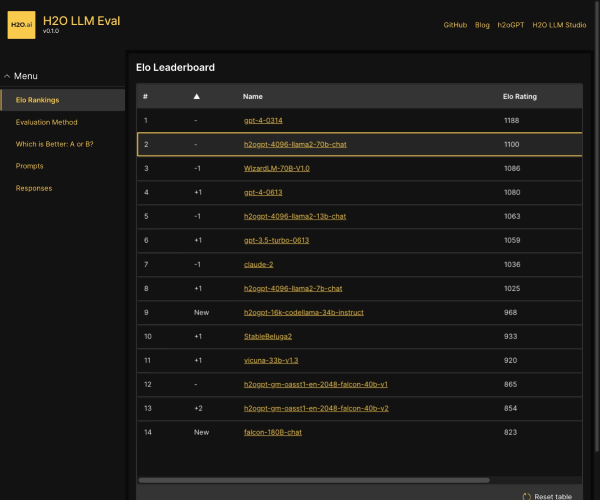
- H2O EvalGPT
- H2O EvalGPT是H2O.ai推出的开源LLM评估平台,提供详细的大模型性能排行榜、行业特定基准测试及A/B测试功能,助您快速选择最适合项目的高性能大语言模型。
- 520次使用
-

- LMArena
- LMArena是加州大学伯克利分校推出的AI模型匿名评测平台。通过盲测投票机制,用户可对比不同大模型回答并生成实时排行榜,助力开发者优化模型及用户选择最佳AI工具。
- 535次使用
-
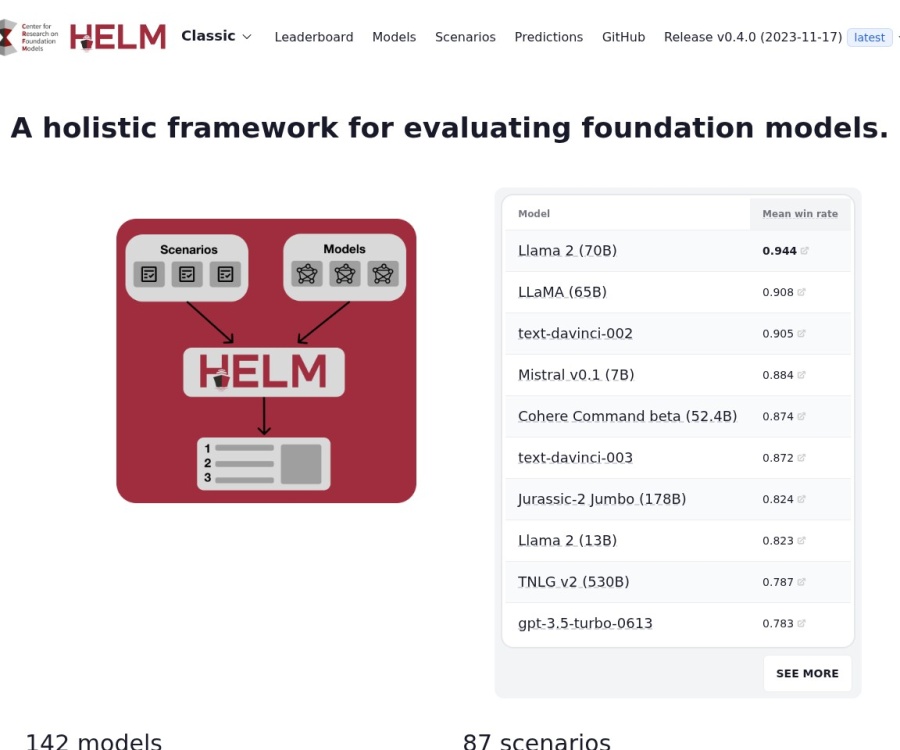
- HELM
- 深入了解斯坦福推出的HELM(Holistic Evaluation of Language Models)大模型评测体系。本文解析其核心功能、安装配置步骤及应用场景,涵盖准确性、公平性、鲁棒性等多维度指标,助力开发者全面优化语言模型性能。
- 480次使用
-

- MMBench
- MMBench是由上海人工智能实验室等机构联合推出的多模态基准测试平台,提供细粒度能力评估、大规模数据集及VLMEvalKit工具。本文详细介绍其核心功能、安装使用方法及应用场景,助力开发者全面评估多模态模型性能。
- 304次使用
查看更多
相关文章
-
- 用Nginx反向代理部署go写的网站。
- 2023-01-17 502浏览
-
- GoLand调式动态执行代码
- 2023-01-13 502浏览
-
- Go crypto/rand.Text 的长度为什么不是固定字符数
- 2026-10-04 501浏览
-
- Go strings.ToValidUTF8 清洗日志内容的边界
- 2026-10-03 501浏览
-
- Go tls.GetCertificate 为什么收不到空 ServerName 请求
- 2026-09-27 501浏览