从基本链表到侵入式链表,体会内核设计思路
从链表到侵入式结构
- 以“学生信息链表”为应用场景。
- 通过对比两种链表实现,说明侵入式结构(intrusive data structure)与非侵入式结构(non-intrusive data structure) 的差异。
- 结合实际开发(内核 vs 用户态、性能 vs 可维护性)讨论各自优劣。
在C语言中,链表是最常见的动态数据结构之一。通常我们会为每个节点定义一个包含数据和指针的结构体,用于存储和连接元素。然而,在系统级编程(如Linux内核)中,我们常看到另一种实现方式——“侵入式链表”。
二者虽然都能实现链表功能,但在设计哲学、灵活性与性能上存在显著差异。本文以“学生信息管理系统”为例,展示两种链表设计方式的不同实现与适用场景。
非侵入式链表(Non-Intrusive Linked List)
介绍
非侵入式链表将“数据”和“链表节点”分离。 链表节点结构独立于业务数据,节点仅负责维护指针关系。
示例代码
#include
特点与优劣
- ✅ 数据结构独立,可被多个链表、哈希表、树结构同时使用。
- ✅ 修改链表逻辑不会影响业务结构。
- ❌ 每个节点要单独分配内存(malloc两次),增加内存碎片与访问开销。
- ❌ 数据和节点分离,局部性(cache locality)较差
侵入式链表(Intrusive Linked List)
介绍
侵入式结构直接将链表指针嵌入业务结构体内部。 数据本身“知道”它属于哪个链表,这种方式常用于操作系统内核(如Linux list_head) 和高性能网络框架中。
示例代码
#include
特点和劣势
- ✅ 数据与节点合一,内存连续、cache 友好。
- ✅ 无需额外分配内存,减少开销。
- ✅ 更适合系统编程、内核模块、高性能场景。
- ❌ 数据结构耦合性强,不能轻易复用(一个结构体难以同时挂在多个链表上)。
- ❌ 抽象层次低,可维护性较差。
对比与设计思考
| 维度 | 非侵入式结构 | 侵入式结构 |
|---|---|---|
| 内存布局 | 数据与节点分离 | 数据与节点合一 |
| 封装性 | 强,模块独立 | 弱,耦合紧密 |
| 性能 | 较低(多次 malloc,cache miss) | 高(连续访问) |
| 通用性 | 可适配不同链表/容器 | 只能服务于特定链表 |
| 典型场景 | 应用层数据结构库 | 内核、驱动、高性能系统 |
延伸:Linux 内核链表的侵入式设计
基本数据结构与初始化
struct list_head {
    struct list_head *next, *prev;
};
这就是内核侵入式链表的核心:双向循环链表的节点。任意包含 struct list_head 成员的结构就可以“挂链” —— 这是侵入式设计的本质(链表指针嵌入业务结构)。
常用初始化宏 / 函数:
- LIST_HEAD_INIT(name):静态初始化(把 next/prev 都指回自己)。
- LIST_HEAD(name):在定义时同时静态初始化一个 list head。
- INIT_LIST_HEAD(struct list_head *list):运行时将 list->next = list->prev = list,把它变成空链表头。实现中会使用 WRITE_ONCE 保证写操作的可见性/内存序。
插入与删除的低级实现
内核在list.h文件中,将对指针的实际修改抽取为list_add()、list_del()等内部函数,接着在其之上封装了list_add()/list_add_tail()/list_del()等接口。这种分层设计,为“批量操作”或“已知邻节点”的优化提供了便利。其基本思想和步骤,均是直接对next/prev这四个指针进行操作。
static inline void __list_add(struct list_head *new,
struct list_head *prev,
struct list_head *next)
{
if (!__list_add_valid(new, prev, next))
return;
next->prev = new;
new->next = next;
new->prev = prev;
WRITE_ONCE(prev->next, new);
}
/**
* list_add - add a new entry
* @new: new entry to be added
* @head: list head to add it after
*
* Insert a new entry after the specified head.
* This is good for implementing stacks.
*/
static inline void list_add(struct list_head *new, struct list_head *head)
{
__list_add(new, head, head->next);
}
/**
* list_del - deletes entry from list.
* @entry: the element to delete from the list.
* Note: list_empty() on entry does not return true after this, the entry is
* in an undefined state.
*/
static inline void __list_del_entry(struct list_head *entry)
{
if (!__list_del_entry_valid(entry))
return;
__list_del(entry->prev, entry->next);
}
static inline void list_del(struct list_head *entry)
{
__list_del_entry(entry);
entry->next = LIST_POISON1;
entry->prev = LIST_POISON2;
}
访问/类型转换
侵入式链表的要点,在于如何从链表节点结构(struct list_head *)追溯到包含它的业务结构体。内核借助两个部分来实现:offsetof(标准宏)和container_of。container_of宏的作用是:已知某一结构体成员的指针,依据成员在结构体中的偏移量,算出包含该成员的结构体的起始地址。简而言之,它能让你从成员指针“倒推”出结构体指针,这是Linux内核侵入式数据结构设计里极为常用的手法。
#define container_of(ptr, type, member) ({
const typeof( ((type *)0)->member ) *__mptr = (ptr);
(type *)( (char *)__mptr - offsetof(type,member) );})
#define offsetof(TYPE, MEMBER) ((size_t) &((TYPE *)0)->MEMBER)
代码示例
/* student_list.c
*
* 单文件示例:侵入式链表 + container_of / list_entry
* 演示:插入、遍历、在遍历中安全删除
*/
#include .h>
#include .h>
#include .h>
#include .h> /* offsetof */
/* -------------------- 基本类型与宏 -------------------- */
/* 内核风格的双向循环链表节点 */
struct list_head {
struct list_head *next, *prev;
};
/* offsetof 用标准头文件提供 */
/* 简化版 container_of(可移植):
* ptr: 指向 member 的指针
* type: 包含 member 的结构体类型
* member: 成员名
*/
#define container_of(ptr, type, member)
((type *)((char *)(ptr) - offsetof(type, member)))
/* list_entry: 从 list_head 指针得到包含它的结构体指针 */
#define list_entry(ptr, type, member)
container_of(ptr, type, member)
/* 遍历宏:迭代 list_head 指针 */
#define list_for_each(pos, head)
for (pos = (head)->next; pos != (head); pos = pos->next)
/* 按 entry(宿主结构体)遍历 */
#define list_for_each_entry(entry, head, member)
for (entry = list_entry((head)->next, typeof(*entry), member);
&entry->member != (head);
entry = list_entry(entry->member.next, typeof(*entry), member))
/* 安全遍历:在循环体可能删除当前元素时使用 */
#define list_for_each_entry_safe(entry, tmp, head, member)
for (entry = list_entry((head)->next, typeof(*entry), member),
tmp = list_entry(entry->member.next, typeof(*entry), member);
&entry->member != (head);
entry = tmp, tmp = list_entry(tmp->member.next, typeof(*tmp), member))
/* LIST 初始化(运行时) */
static inline void INIT_LIST_HEAD(struct list_head *list)
{
list->next = list->prev = list;
}
/* -------------------- 链表基本操作 -------------------- */
/* 在 head 后插入 new(头插) */
static inline void __list_add(struct list_head *new,
struct list_head *prev,
struct list_head *next)
{
next->prev = new;
new->next = next;
new->prev = prev;
prev->next = new;
}
static inline void list_add(struct list_head *new, struct list_head *head)
{
__list_add(new, head, head->next);
}
/* 在 tail 前插入 new(尾插) */
static inline void list_add_tail(struct list_head *new, struct list_head *head)
{
__list_add(new, head->prev, head);
}
/* 从链表删除 entry(不重置 entry 指针) */
static inline void __list_del(struct list_head * prev, struct list_head * next)
{
next->prev = prev;
prev->next = next;
}
static inline void list_del(struct list_head *entry)
{
__list_del(entry->prev, entry->next);
/* 注意:为了简单,这里不把 entry->next/prev 置为 POISON 值或 self */
}
/* -------------------- 学生结构 + 操作 -------------------- */
struct student {
int id;
char name[32];
struct list_head list; /* 侵入式成员 */
};
void add_student_tail(struct list_head *head, int id, const char *name)
{
struct student *s = malloc(sizeof(*s));
if (!s) {
perror("malloc");
exit(EXIT_FAILURE);
}
s->id = id;
strncpy(s->name, name, sizeof(s->name) - 1);
s->name[sizeof(s->name) - 1] = '0';
INIT_LIST_HEAD(&s->list);
list_add_tail(&s->list, head);
}
void print_students(struct list_head *head)
{
struct list_head *pos;
printf("当前学生列表:n");
list_for_each(pos, head) {
struct student *s = list_entry(pos, struct student, list);
printf(" id=%d, name=%sn", s->id, s->name);
}
}
/* 释放链表(安全删除并 free) */
void free_all_students(struct list_head *head)
{
struct student *s, *tmp;
list_for_each_entry_safe(s, tmp, head, list) {
list_del(&s->list);
free(s);
}
}
/* -------------------- 主程序(演示) -------------------- */
int main(void)
{
struct list_head student_list;
INIT_LIST_HEAD(&student_list);
add_student_tail(&student_list, 1001, "Alice");
add_student_tail(&student_list, 1002, "Bob");
add_student_tail(&student_list, 1003, "Charlie");
add_student_tail(&student_list, 1004, "Diana");
print_students(&student_list);
puts("");
/* 示范:仅有 list_head 指针时,如何用 container_of / list_entry 恢复 student 指针 */
struct list_head *node = student_list.next->next; /* 指向 Bob 的节点(第二个) */
struct student *stu = container_of(node, struct student, list);
printf("从节点反推到结构体:id=%d, name=%snn", stu->id, stu->name);
/* 在遍历中安全删除:删除名字以 'C' 开头的学生 */
printf("在遍历中删除 name 以 'C' 开头的学生...n");
struct student *p, *q;
list_for_each_entry_safe(p, q, &student_list, list) {
if (p->name[0] == 'C') {
printf(" 删除 %s (id=%d)n", p->name, p->id);
list_del(&p->list);
free(p);
}
}
puts("");
print_students(&student_list);
puts("");
/* 清理剩余节点 */
free_all_students(&student_list);
return 0;
}
编译&&运行
gcc -Wall -Wextra -o student_list student_list
./student_list
当前学生列表:
id=1001, name=Alice
id=1002, name=Bob
id=1003, name=Charlie
id=1004, name=Diana
从节点反推到结构体:id=1002, name=Bob
在遍历中删除 name 以 'C' 开头的学生...
删除 Charlie (id=1003)
当前学生列表:
id=1001, name=Alice
id=1002, name=Bob
id=1004, name=Diana
总结
- 想象一个书架上摆着很多书,每本书都是一个完整的“结构体”。
- 每本书里都有一个书签(成员),标记你正在看的页。
- 现在,你手里只有一张书签(就像拿到成员指针),你想知道它属于哪本书(即找到包含它的结构体)。
这时:
- offsetof 就像你知道书签在书里的位置(比如它夹在第 50 页),也就是成员在结构体中的偏移量。
- container_of 就像你用书签的位置和它在书里的偏移量,推算出整本书的起始位置,从而拿到整本书的信息。
总结形象说法
- offsetof = 书签在书里的位置
- container_of = 通过书签找到整本书
也就是说,从局部线索回到整体对象。
| 特性 | 侵入式(Intrusive) | 非侵入式(Non-Intrusive) |
|---|---|---|
| 定义 | 链表节点指针嵌入到业务结构体内部 | 链表节点独立于业务结构体,通过指针引用业务数据 |
| 内存布局 | 成员指针与业务数据在同一内存块内 | 节点结构与业务数据分开,通常节点里只保存指针 |
| 示例 | Linux 内核 list_head + task_struct / sk_buff | 标准 C++ STL list、Ja va LinkedList、C 语言中 struct node { void *data; struct node *next; } |
| 性能 | 高:少一次内存分配,缓存友好,遍历效率高 | 较低:每个节点单独分配,可能导致更多内存分配和访问 |
| 灵活性 | 低:业务结构体必须知道链表存在,修改结构体比较困难 | 高:业务结构体无需关心链表,可以被多个容器复用 |
| 可复用性 | 低:同一对象同时挂多个链表需要多个成员指针 | 高:同一对象可被多个链表引用,只需多一个节点或指针 |
| 删除/插入 | 直接操作节点指针即可,高效 | 需要通过节点找到业务数据,再操作,效率略低 |
| 安全性 | 稍低:不小心修改指针容易破坏链表 | 较高:节点与数据分离,修改节点不会破坏数据结构本身 |
| 使用场景 | 内核、驱动、高性能系统、游戏引擎等 | 应用层通用数据结构、业务逻辑、标准库容器 |
总结一句话
-
侵入式 = “业务结构体自带链表节点,性能高但耦合紧密”。
-
非侵入式 = “链表节点独立于业务数据,灵活可复用但性能稍低”。
 C语言循环嵌套
-
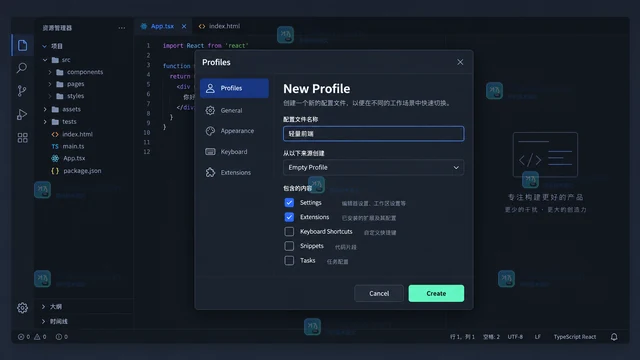
- 文章 · 软件教程 | 3小时前 | vs code · 软件教程 · VS Code 设置同步 Profiles Settings Sync 扩展同步
- VS Code Profiles 怎么只同步指定扩展和设置
- 345浏览 收藏
-
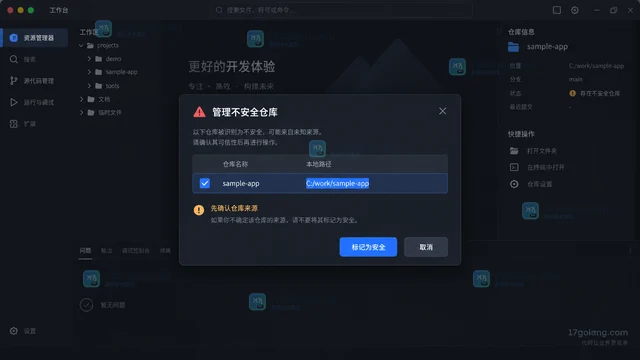
- 文章 · 软件教程 | 10小时前 |
- VS Code 提示仓库不安全时怎么处理 safe.directory
- 199浏览 收藏
-
- 文章 · 软件教程 | 12小时前 | docker · Context ·
- Docker Context 怎么切换远程守护进程
- 372浏览 收藏
-
- 文章 · 软件教程 | 14小时前 | 命令行 · 效率工具 · github · 开发工具 · 软件教程 · 位置参数 命令别名 GitHub CLI gh alias set shell alias
- GitHub CLI 怎么创建带参数的命令别名
- 404浏览 收藏
-
- 文章 · 软件教程 | 17小时前 | obsidian · 软件教程 · YAML Properties Obsidian 笔记元数据 属性类型 Properties视图
- Obsidian Properties 怎么统一管理笔记元数据
- 378浏览 收藏
-
- 文章 · 软件教程 | 19小时前 | postman · 软件教程 · 接口测试 · 环境变量 初始值 Postman 当前值 Local value Shared value
- Postman 环境变量怎么区分初始值与当前值
- 360浏览 收藏
-
- 文章 · 软件教程 | 22小时前 | CI/CD · gitHub actions · 软件教程 · GitHub GitHub Actions 构件保留时间
- GitHub Actions 怎么设置构件保留时间
- 395浏览 收藏
-
- 文章 · 软件教程 | 1天前 | git · 软件教程 · Git Git worktree worktree prune
- Git worktree 怎么清理失效工作区记录
- 287浏览 收藏
-
- 文章 · 软件教程 | 1天前 | docker ·
- Docker Build 缓存挂载怎么复用包管理器下载
- 264浏览 收藏
-
- 文章 · 软件教程 | 1天前 | GitHub Copilot Pull Request Code Review API
- GitHub Copilot Code Review API 怎么提交代码审查请求
- 409浏览 收藏
-
- 文章 · 软件教程 | 1天前 |
- GitHub 新 Dashboard 怎么筛选代理会话与拉取请求
- 111浏览 收藏
-

- 前端进阶之JavaScript设计模式
- 设计模式是开发人员在软件开发过程中面临一般问题时的解决方案,代表了最佳的实践。本课程的主打内容包括JS常见设计模式以及具体应用场景,打造一站式知识长龙服务,适合有JS基础的同学学习。
- 543次学习
-

- GO语言核心编程课程
- 本课程采用真实案例,全面具体可落地,从理论到实践,一步一步将GO核心编程技术、编程思想、底层实现融会贯通,使学习者贴近时代脉搏,做IT互联网时代的弄潮儿。
- 516次学习
-

- 简单聊聊mysql8与网络通信
- 如有问题加微信:Le-studyg;在课程中,我们将首先介绍MySQL8的新特性,包括性能优化、安全增强、新数据类型等,帮助学生快速熟悉MySQL8的最新功能。接着,我们将深入解析MySQL的网络通信机制,包括协议、连接管理、数据传输等,让
- 500次学习
-
- JavaScript正则表达式基础与实战
- 在任何一门编程语言中,正则表达式,都是一项重要的知识,它提供了高效的字符串匹配与捕获机制,可以极大的简化程序设计。
- 487次学习
-

- 从零制作响应式网站—Grid布局
- 本系列教程将展示从零制作一个假想的网络科技公司官网,分为导航,轮播,关于我们,成功案例,服务流程,团队介绍,数据部分,公司动态,底部信息等内容区块。网站整体采用CSSGrid布局,支持响应式,有流畅过渡和展现动画。
- 485次学习
-

- PubMedQA
- 深入了解PubMedQA生物医学问答数据集,涵盖其核心功能、使用方法及在临床决策、药物研发等场景的应用,助力提升NLP模型性能。
- 343次使用
-
- H2O EvalGPT
- H2O EvalGPT是H2O.ai推出的开源LLM评估平台,提供详细的大模型性能排行榜、行业特定基准测试及A/B测试功能,助您快速选择最适合项目的高性能大语言模型。
- 398次使用
-

- LMArena
- LMArena是加州大学伯克利分校推出的AI模型匿名评测平台。通过盲测投票机制,用户可对比不同大模型回答并生成实时排行榜,助力开发者优化模型及用户选择最佳AI工具。
- 394次使用
-
- HELM
- 深入了解斯坦福推出的HELM(Holistic Evaluation of Language Models)大模型评测体系。本文解析其核心功能、安装配置步骤及应用场景,涵盖准确性、公平性、鲁棒性等多维度指标,助力开发者全面优化语言模型性能。
- 356次使用
-

- MMBench
- MMBench是由上海人工智能实验室等机构联合推出的多模态基准测试平台,提供细粒度能力评估、大规模数据集及VLMEvalKit工具。本文详细介绍其核心功能、安装使用方法及应用场景,助力开发者全面评估多模态模型性能。
- 182次使用
-
- VS Code 怎么给 Go 项目配置测试任务:tasks.json 运行与结果验收
- 2026-07-09 501浏览
-
- Windows 11 如何开启 HEIF 图片支持
- 2026-05-31 501浏览
-
- TikTok用户画像与付费订阅变现方法
- 2026-05-27 501浏览
-
- 学信网学历翻译件申请方法
- 2026-05-27 501浏览
-
- Windows 11 24H2 更新失败0x80070005解决方法
- 2026-05-26 501浏览