Go语言YAML反序列化实战教程
本文深入解析了Go语言中YAML反序列化的常见陷阱与最佳实践,重点攻克“cannot unmarshal !!seq into map[string][]map[string][]string”这类因类型不匹配引发的典型错误;通过清晰对比YAML结构(如handlers列表中的`- url: /.*`)与Go类型(应使用`[]Handler`而非嵌套map),手把手演示如何用`gopkg.in/yaml.v3`和结构体标签精准映射配置,兼顾类型安全、可读性与可维护性——无论你是初学者踩坑还是资深开发者优化配置层,这篇简明实用的指南都能帮你写出健壮、易调试、不易出错的YAML解析代码。
This tutorial explains how to properly define Go structs for YAML unmarshaling—especially when dealing with nested sequences (like handler lists)—and fixes the common `cannot unmarshal !!seq into map[string][]map[string][]string` error.
YAML is widely used for configuration files due to its readability, but unmarshaling it into Go structs can be tricky—particularly when the structure contains lists (-) of key-value mappings. The root cause of the error cannot unmarshal !!seq into map[string][]map[string][]string is a type mismatch: your YAML defines handlers as a sequence (i.e., a list/array) of mappings (e.g., - url: /.*), but your struct declared Handlers as map[string][]map[string][]string—a deeply nested and incompatible type.
The correct approach is to match Go types to YAML’s logical structure:
- A YAML list (- item1, - item2) → corresponds to a Go slice: []T
- Each list item that is a mapping (e.g., url: /.*, secure: always) → corresponds to a map[string]string, provided all keys are strings and values are scalar (strings, numbers, booleans).
Here's the corrected struct:
type AppYAML struct {
    Runtime       string              `yaml:"runtime,omitempty"`
    Handlers      []map[string]string `yaml:"handlers,omitempty"`
    Env_Variables map[string]string   `yaml:"env_variables,omitempty"`
}
✅ Why this works:
- []map[string]string means “a slice of maps”, matching - url: ..., - static_files: ..., etc.
- Each handler entry becomes a map[string]string, allowing access like handler["url"] or handler["secure"].
⚠️ Important notes:
- Use gopkg.in/yaml.v3 instead of v1 (which is deprecated and lacks support for newer YAML features and proper error messages).
- For better maintainability and type safety, prefer explicit struct fields over map[string]string when the schema is known. Example:
type Handler struct {
    URL         string `yaml:"url,omitempty"`
    Runtime     string `yaml:"runtime,omitempty"`
    Secure      string `yaml:"secure,omitempty"`
    StaticFiles string `yaml:"static_files,omitempty"`
}

type AppYAML struct {
    Runtime       string   `yaml:"runtime,omitempty"`
    Handlers      []Handler `yaml:"handlers,omitempty"`
    Env_Variables map[string]string `yaml:"env_variables,omitempty"`
}
This improves readability, enables compile-time validation, and avoids runtime panics from unexpected keys.
Finally, here’s a complete working example using yaml.v3:
package main

import (
    "fmt"
    "log"
    "gopkg.in/yaml.v3"
)

type Handler struct {
    URL     string `yaml:"url,omitempty"`
    Runtime string `yaml:"runtime,omitempty"`
    Secure  string `yaml:"secure,omitempty"`
}

type AppYAML struct {
    Runtime       string            `yaml:"runtime,omitempty"`
    Handlers      []Handler         `yaml:"handlers,omitempty"`
    Env_Variables map[string]string `yaml:"env_variables,omitempty"`
}

func main() {
    s := `
runtime: go
handlers:
- url: /.*
  runtime: _go_app
  secure: always
env_variables:
  something: 'test'
`

    var a AppYAML
    if err := yaml.Unmarshal([]byte(s), &a); err != nil {
        log.Fatal(err)
    }

    fmt.Printf("Runtime: %s\n", a.Runtime)
    for i, h := range a.Handlers {
        fmt.Printf("Handler %d: url=%q, runtime=%q, secure=%q\n",
            i+1, h.URL, h.Runtime, h.Secure)
    }
    fmt.Printf("Env: %+v\n", a.Env_Variables)
}
? Summary: Always align Go types with YAML’s hierarchical shape—[]T for sequences, map[string]T for mappings—and prefer concrete structs over generic maps when possible. Upgrade to yaml.v3, validate with real examples, and leverage struct tags for precise field control.
本篇关于《Go语言YAML反序列化实战教程》的介绍就到此结束啦,但是学无止境,想要了解学习更多关于Golang的相关知识,请关注golang学习网公众号!
 PPT自动保存设置方法及防丢技巧
- 上一篇
- PPT自动保存设置方法及防丢技巧

- 下一篇
- 猫耳FM粉丝勋章查看与佩戴教程
-
- Golang · Go教程 | 22小时前 | Go教程 · Go 有序切片 slices slices.BinarySearch BinarySearchFunc
- Go slices.BinarySearch 维持有序数据的查找方案
- 317浏览 收藏
-
- Golang · Go教程 | 1天前 | 标准库 · Go教程 · Go 浅拷贝 maps.Clone map复制
- Go maps.Clone 复制映射并保持独立修改
- 398浏览 收藏
-
- Golang · Go教程 | 1天前 |
- Go iter.Pull 适配拉取式遍历并正确停止
- 440浏览 收藏
-
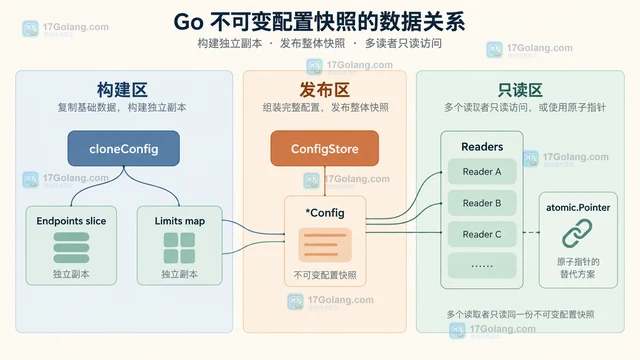
- Golang · Go教程 | 1天前 | 配置管理 · 性能优化 · 并发编程 · Go教程 · 类型约束 RWMutex 配置快照 atomic.Pointer Go atomic.Value
- Go atomic.Value 存储配置快照的类型约束
- 485浏览 收藏
-
- Golang · Go教程 | 1天前 |
- Go sync/atomic Uint64 对齐与无锁计数方案
- 165浏览 收藏
-
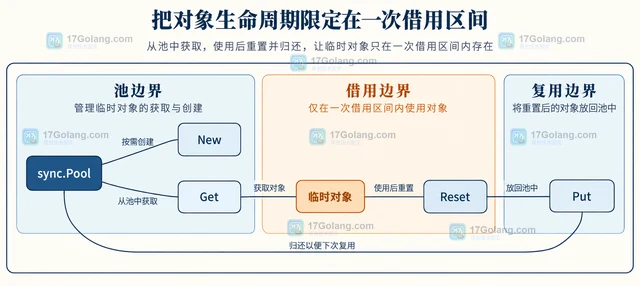
- Golang · Go教程 | 1天前 | 性能优化 · 并发编程 · sync.Pool · 内存管理 · Go教程 · 垃圾回收 对象池 bytes.Buffer 临时对象 Go sync.Pool
- Go sync.Pool 缓存临时对象的回收边界
- 393浏览 收藏
-
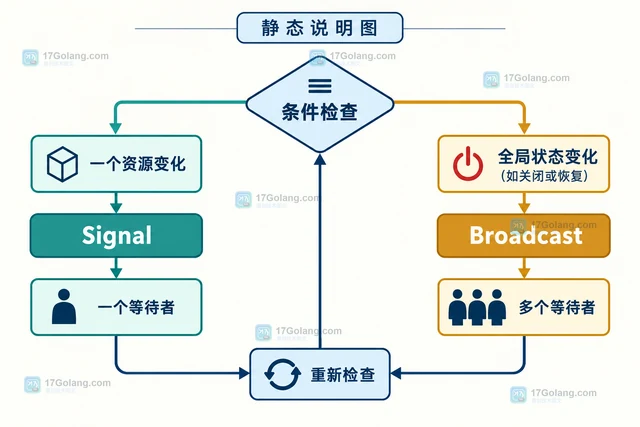
- Golang · Go教程 | 1天前 |
- Go sync.Cond 生产者消费者唤醒策略
- 224浏览 收藏
-
- 前端进阶之JavaScript设计模式
- 设计模式是开发人员在软件开发过程中面临一般问题时的解决方案,代表了最佳的实践。本课程的主打内容包括JS常见设计模式以及具体应用场景,打造一站式知识长龙服务,适合有JS基础的同学学习。
- 543次学习
-

- GO语言核心编程课程
- 本课程采用真实案例,全面具体可落地,从理论到实践,一步一步将GO核心编程技术、编程思想、底层实现融会贯通,使学习者贴近时代脉搏,做IT互联网时代的弄潮儿。
- 516次学习
-
- 简单聊聊mysql8与网络通信
- 如有问题加微信:Le-studyg;在课程中,我们将首先介绍MySQL8的新特性,包括性能优化、安全增强、新数据类型等,帮助学生快速熟悉MySQL8的最新功能。接着,我们将深入解析MySQL的网络通信机制,包括协议、连接管理、数据传输等,让
- 500次学习
-
- JavaScript正则表达式基础与实战
- 在任何一门编程语言中,正则表达式,都是一项重要的知识,它提供了高效的字符串匹配与捕获机制,可以极大的简化程序设计。
- 487次学习
-

- 从零制作响应式网站—Grid布局
- 本系列教程将展示从零制作一个假想的网络科技公司官网,分为导航,轮播,关于我们,成功案例,服务流程,团队介绍,数据部分,公司动态,底部信息等内容区块。网站整体采用CSSGrid布局,支持响应式,有流畅过渡和展现动画。
- 485次学习
-
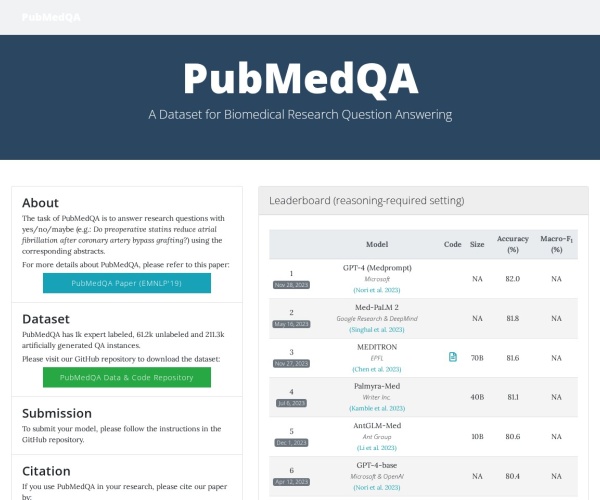
- PubMedQA
- 深入了解PubMedQA生物医学问答数据集,涵盖其核心功能、使用方法及在临床决策、药物研发等场景的应用,助力提升NLP模型性能。
- 312次使用
-
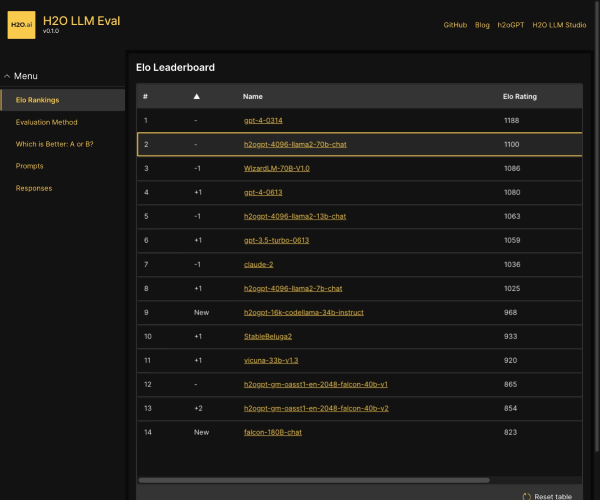
- H2O EvalGPT
- H2O EvalGPT是H2O.ai推出的开源LLM评估平台,提供详细的大模型性能排行榜、行业特定基准测试及A/B测试功能,助您快速选择最适合项目的高性能大语言模型。
- 370次使用
-

- LMArena
- LMArena是加州大学伯克利分校推出的AI模型匿名评测平台。通过盲测投票机制,用户可对比不同大模型回答并生成实时排行榜,助力开发者优化模型及用户选择最佳AI工具。
- 364次使用
-
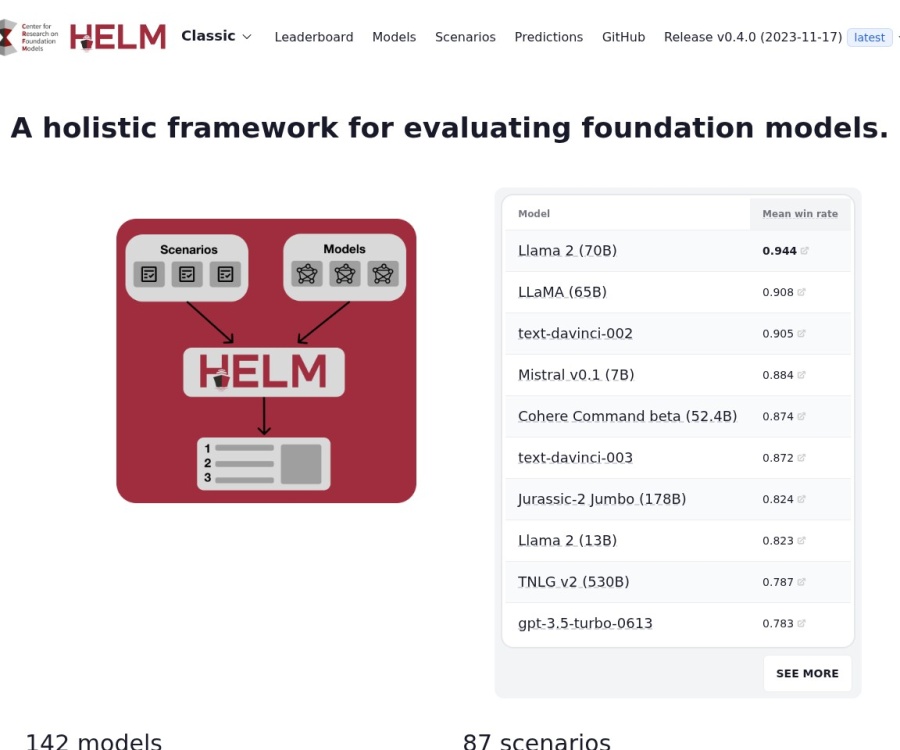
- HELM
- 深入了解斯坦福推出的HELM(Holistic Evaluation of Language Models)大模型评测体系。本文解析其核心功能、安装配置步骤及应用场景,涵盖准确性、公平性、鲁棒性等多维度指标,助力开发者全面优化语言模型性能。
- 334次使用
-

- MMBench
- MMBench是由上海人工智能实验室等机构联合推出的多模态基准测试平台,提供细粒度能力评估、大规模数据集及VLMEvalKit工具。本文详细介绍其核心功能、安装使用方法及应用场景,助力开发者全面评估多模态模型性能。
- 155次使用
-
- Java 性能优化上线清单:从定位、改造到灰度发布
- 2026-06-11 860浏览
-
- Spring Boot 压测验证:Gatling、JMeter 与性能回归门禁
- 2026-06-11 843浏览
-
- Java NMT 非堆内存排查:Direct Buffer、线程栈与 Metaspace 分析
- 2026-06-11 826浏览
-
- Spring Boot 容器内存优化:JVM 堆、非堆与 MaxRAMPercentage
- 2026-06-11 809浏览
-
- Tomcat 连接与线程参数调优:maxThreads、acceptCount 与 KeepAlive
- 2026-06-11 792浏览