
PHP远程数据获取与处理方法详解
**PHP远程数据获取与处理教程:掌握高效API交互技巧** 在PHP开发中,与远程API进行数据交互是常见需求。本文将深入讲解PHP中多种远程数据获取与处理的方法,助你轻松应对各种场景。首先,我们将介绍使用`file_get_contents`函数发起GET请求,快速获取JSON或文本数据。其次,我们将详细讲解`cURL`扩展的高级用法,包括设置请求头、超时时间、SSL验证以及POST数据提交等,实现更灵活的HTTP请求。对于API返回的JSON数据,我们将重点介绍如何使用`json_decode`函数进行解析,并进行错误检查,确保数据有效性。此外,我们还将推荐使用`Guzzle HTTP`客户端,通过Composer安装后,以面向对象的方式发送请求,简化响应处理流程。最后,我们还将强调错误与超时处理的重要性,以及如何使用`SimpleXML`或`DOMDocument`解析XML数据,提升应用的稳定性和健壮性。
使用file_get_contents通过GET请求获取远程数据,需确保php.ini中allow_url_fopen开启,适用于简单JSON或文本接口。2. 利用cURL进行高级HTTP请求,可设置头信息、超时、SSL验证等,支持POST提交与错误处理。3. 大多数API返回JSON,应使用json_decode解析并检查json_last_error确保数据有效。4. 推荐使用Guzzle HTTP客户端,通过Composer安装后可面向对象地发送请求,简化响应处理。5. 必须实现错误与超时处理,设置合理超时时间,捕获异常并记录日志以提升稳定性。6. 对于XML数据,可用SimpleXML或DOMDocument解析,支持命名空间处理与XSLT转换。
To retrieve and process remote data in PHP, you can use built-in functions and extensions that support HTTP requests and data parsing. Here are several methods to achieve this:
The operating environment of this tutorial: MacBook Pro, macOS Sonoma
1. Using file\_get\_contents with GET Requests
This method leverages PHP’s file\_get\_contents function to fetch data from a URL. It is simple and effective for basic RESTful API calls that return JSON or plain text.
- Ensure allow\_url\_fopen is enabled in php.ini, as it is required for file\_get\_contents to access remote URLs.
- Construct the full URL with query parameters if needed.
- Call file\_get\_contents with the target URL to retrieve the response body.
- Use json\_decode on the result if the response is in JSON format.
2. Using cURL for Advanced HTTP Requests
cURL provides greater control over HTTP headers, request methods, timeouts, and SSL settings, making it ideal for interacting with secured or complex APIs.
- Initialize a cURL session using curl\_init() and pass the target URL.
- Set options such as CURLOPT\_RETURNTRANSFER, CURLOPT\_FOLLOWLOCATION, and CURLOPT\_SSL_VERIFYPEER.
- To send POST data, use CURLOPT\_POST and CURLOPT\_POSTFIELD with an array of parameters.
- Add custom headers using CURLOPT\_HTTPHEADER if required by the API.
- Execute the request with curl\_exec() and check for errors using curl\_error().
- Close the handle with curl\_close() after retrieval.
- Parse the returned data accordingly (e.g., json\_decode for JSON responses).
3. Handling JSON Responses
Most remote APIs return data in JSON format. Proper decoding and validation ensure safe data handling within your application.
- After retrieving the response string, apply json\_decode($response, true) to convert it into a PHP associative array.
- Always check for decoding errors using json\_last\_error() to avoid processing invalid data.
- Iterate through the decoded array or access specific keys based on the expected structure.
- Validate data types and origins before using them in database queries or output.
4. Using Guzzle HTTP Client
Guzzle is a powerful PHP HTTP client that simplifies sending requests and handling responses using an object-oriented interface.
- Install Guzzle via Composer: composer require guzzlehttp/guzzle.
- Create a new GuzzleHttp\Client instance with base URI and default headers if needed.
- Send requests using methods like get(), post(), put(), or request() with appropriate parameters.
- Access the response body using $response->getBody()->getContents().
- Parsing JSON responses can be done directly using $response->json() if using JsonResponse middleware.
5. Error Handling and Timeouts
Remote requests may fail due to network issues, server outages, or invalid responses. Implementing proper error handling improves reliability.
- Set timeout values using stream context options when using file\_get\_contents or CURLOPT\_TIMEOUT for cURL.
- Wrap requests in try-catch blocks when using Guzzle to catch exceptions like ConnectException or RequestException.
- Check the HTTP status code of the response before processing the content.
- Log failed attempts for debugging using error\_log() or a logging library.
6. Processing XML Data from Remote Sources
When dealing with services that return XML, PHP offers built-in tools like SimpleXML and DOMDocument for parsing and traversal.
- Fetch the XML content using any of the previously mentioned HTTP methods.
- Load the XML string into a SimpleXMLElement object: new SimpleXMLElement($xmlString).
- Navigate through elements using object property syntax and loops.
- Handle namespaces with children() and attributes() methods when present.
- For complex transformations, consider using XSLTProcessor with a predefined stylesheet.
好了,本文到此结束,带大家了解了《PHP远程数据获取与处理方法详解》,希望本文对你有所帮助!关注golang学习网公众号,给大家分享更多文章知识!
 瑞达写作官网入口及App使用教程
- 上一篇
- 瑞达写作官网入口及App使用教程
- 下一篇
- Laravel422错误处理技巧与模拟验证失败
-
- 文章 · php教程 | 1天前 | 性能优化 · PHP · php Composer 自动加载器 Classmap dump-autoload
- Composer 怎样优化生产环境的自动加载器
- 118浏览 收藏
-
- 文章 · php教程 | 1天前 |
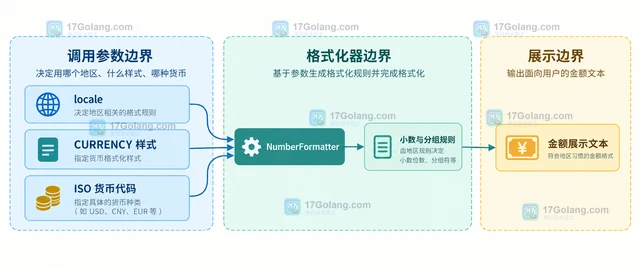
- PHP NumberFormatter 怎样按地区格式化金额
- 346浏览 收藏
-
- 文章 · php教程 | 1天前 |
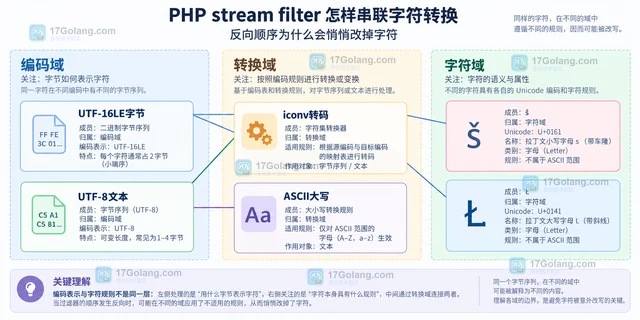
- PHP stream filter 怎样串联字符转换
- 157浏览 收藏
-
- 文章 · php教程 | 1天前 | PHP · utf-8 · 字符串处理 · php mbstring mb_strwidth 终端显示宽度
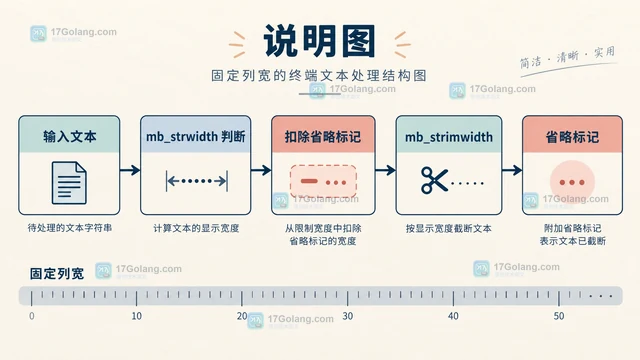
- PHP mb_strwidth 怎样计算终端显示宽度
- 241浏览 收藏
-
- 文章 · php教程 | 1天前 | php 文件上传 php.ini upload_max_filesize post_max_size
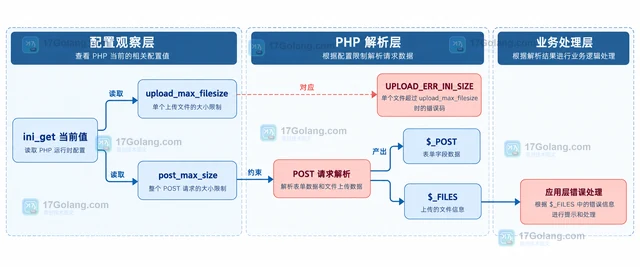
- PHP 上传失败怎样区分两个大小限制
- 211浏览 收藏
-
- 文章 · php教程 | 1天前 |
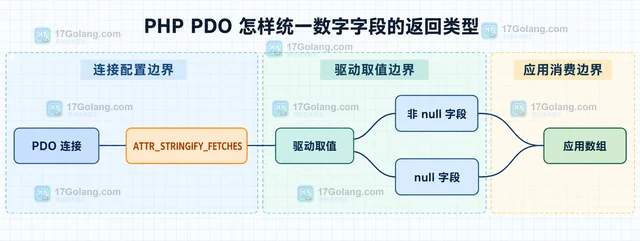
- PHP PDO 怎样统一数字字段的返回类型
- 270浏览 收藏
-
- 文章 · php教程 | 1天前 |
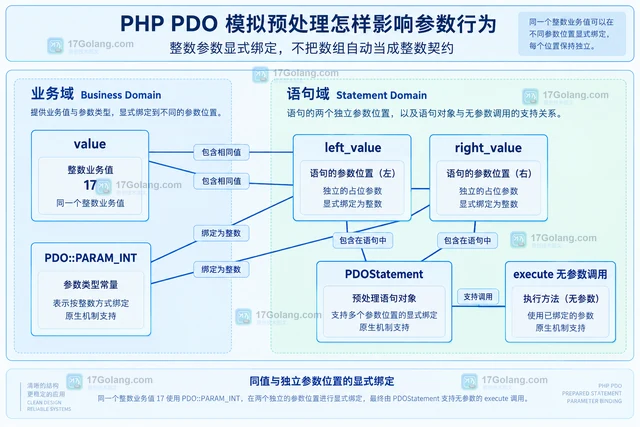
- PHP PDO 模拟预处理怎样影响参数行为
- 308浏览 收藏
-
- 文章 · php教程 | 1天前 | 协程 · 异常处理 · php教程 · php Fiber Fiber::suspend Fiber::throw 协程异常处理
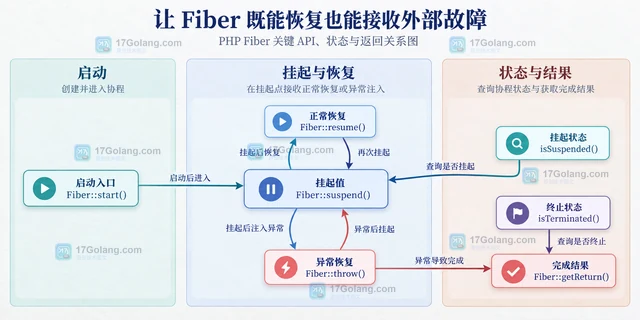
- PHP Fiber 怎样向挂起协程注入异常
- 166浏览 收藏
-
- 文章 · php教程 | 1天前 |
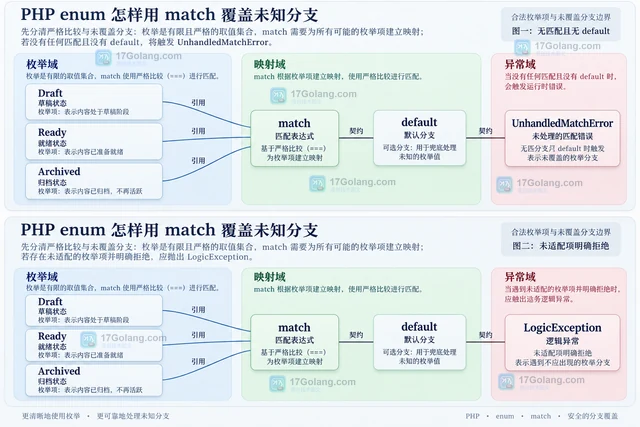
- PHP enum 怎样用 match 覆盖未知分支
- 383浏览 收藏
-
- 文章 · php教程 | 1天前 | 反射 · php教程 · 语言特性 · php 反射 ReflectionClass newInstanceArgs 对象工厂
- PHP ReflectionClass 怎样按参数动态实例化对象
- 399浏览 收藏
-

- 前端进阶之JavaScript设计模式
- 设计模式是开发人员在软件开发过程中面临一般问题时的解决方案,代表了最佳的实践。本课程的主打内容包括JS常见设计模式以及具体应用场景,打造一站式知识长龙服务,适合有JS基础的同学学习。
- 543次学习
-

- GO语言核心编程课程
- 本课程采用真实案例,全面具体可落地,从理论到实践,一步一步将GO核心编程技术、编程思想、底层实现融会贯通,使学习者贴近时代脉搏,做IT互联网时代的弄潮儿。
- 516次学习
-

- 简单聊聊mysql8与网络通信
- 如有问题加微信:Le-studyg;在课程中,我们将首先介绍MySQL8的新特性,包括性能优化、安全增强、新数据类型等,帮助学生快速熟悉MySQL8的最新功能。接着,我们将深入解析MySQL的网络通信机制,包括协议、连接管理、数据传输等,让
- 500次学习
-
- JavaScript正则表达式基础与实战
- 在任何一门编程语言中,正则表达式,都是一项重要的知识,它提供了高效的字符串匹配与捕获机制,可以极大的简化程序设计。
- 487次学习
-

- 从零制作响应式网站—Grid布局
- 本系列教程将展示从零制作一个假想的网络科技公司官网,分为导航,轮播,关于我们,成功案例,服务流程,团队介绍,数据部分,公司动态,底部信息等内容区块。网站整体采用CSSGrid布局,支持响应式,有流畅过渡和展现动画。
- 485次学习
-
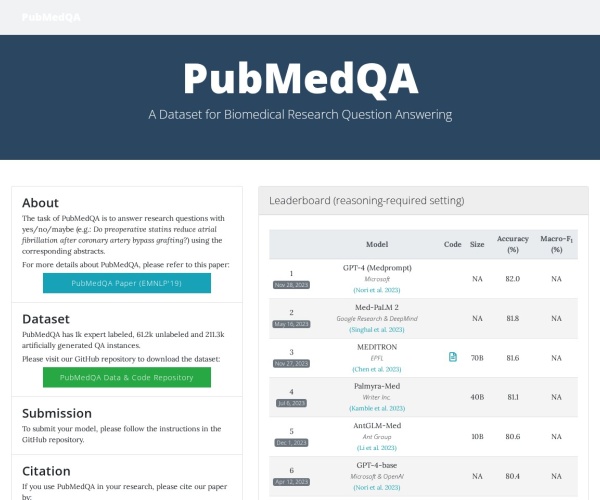
- PubMedQA
- 深入了解PubMedQA生物医学问答数据集,涵盖其核心功能、使用方法及在临床决策、药物研发等场景的应用,助力提升NLP模型性能。
- 497次使用
-
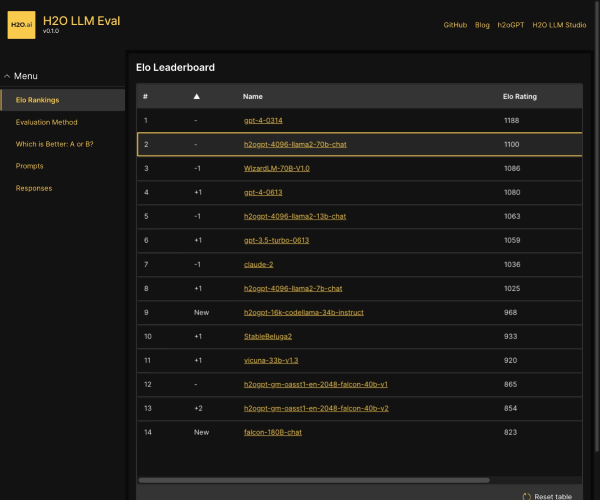
- H2O EvalGPT
- H2O EvalGPT是H2O.ai推出的开源LLM评估平台,提供详细的大模型性能排行榜、行业特定基准测试及A/B测试功能,助您快速选择最适合项目的高性能大语言模型。
- 553次使用
-

- LMArena
- LMArena是加州大学伯克利分校推出的AI模型匿名评测平台。通过盲测投票机制,用户可对比不同大模型回答并生成实时排行榜,助力开发者优化模型及用户选择最佳AI工具。
- 579次使用
-
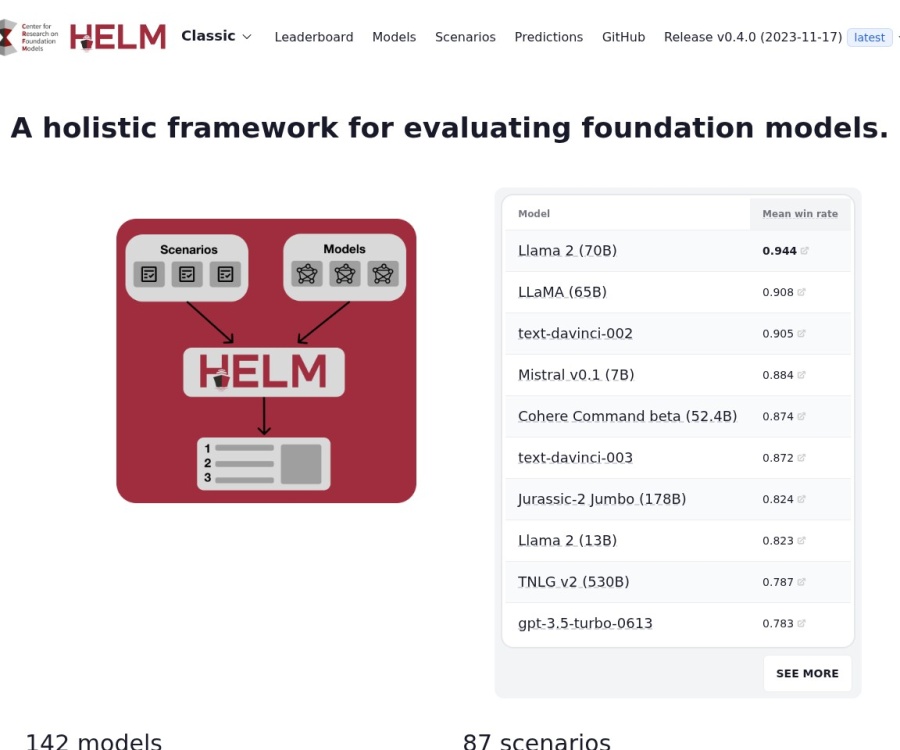
- HELM
- 深入了解斯坦福推出的HELM(Holistic Evaluation of Language Models)大模型评测体系。本文解析其核心功能、安装配置步骤及应用场景,涵盖准确性、公平性、鲁棒性等多维度指标,助力开发者全面优化语言模型性能。
- 532次使用
-

- MMBench
- MMBench是由上海人工智能实验室等机构联合推出的多模态基准测试平台,提供细粒度能力评估、大规模数据集及VLMEvalKit工具。本文详细介绍其核心功能、安装使用方法及应用场景,助力开发者全面评估多模态模型性能。
- 343次使用
-
- PHP JSON_THROW_ON_ERROR 抛错后怎么保留原始字段位置
- 2026-09-09 501浏览
-
- PHP 8.5 array_last() 怎么处理空数组:从 null 结果到兼容旧版本的 Polyfill
- 2026-08-16 501浏览
-
- 宝塔配置Ruby环境:RVM+Nginx反代教程
- 2026-05-29 501浏览
-
- unset函数作用范围详解
- 2026-05-29 501浏览
-
- VS Code配置Xdebug教程:PHP调试技巧全解析
- 2026-05-13 501浏览