Golang import path best practice
珍惜时间,勤奋学习!今天给大家带来《Golang import path best practice》,正文内容主要涉及到golang等等,如果你正在学习Golang,或者是对Golang有疑问,欢迎大家关注我!后面我会持续更新相关内容的,希望都能帮到正在学习的大家!
问题内容
I am currently working on a private project using Golang (and I am new to it).
But I have the problem that I don't know what is the proper way to define the
import path for local packages.
I have the same feeling as the author from this link https://medium.com/@c9s/golang-the-annoying-remote-import-path-c6c7e76517e5
In short, if I host a project foo in Github. I feel strange to use
github.com/levin/foo as import path instead of just foo. Wouldn't it cause
much rework if I move my codes to Bitbucket or I host my own git server in
AWS?
And worse, I can rewrite my code to change the import path, but how would people using my code in theirs notify the change of repo? And I feel no sense to ask others to update their codes.
I am new to Golang so feel free to say something like "your question is not even valid".
正确答案
The answer to your question:
I don't know what is the proper way to define the import path for local packages.
As @JimB said:
If you want to use the Go tools you need to follow the conventions. If you want go get to work, then you need to import it with the full name, otherwise put it wherever you want in GOPATH
So you need to use the complete import path github.com/levin/foo if you want
go get to work, and you should do it this way if you expect other people to
use your package.
The answer to your second question:
Wouldn't it cause much rework if I move my codes to Bitbucket or I host my own git server in AWS?
There is a way to use a custom domain name as import path and still host your code wherever you want, it's called a vanity import path I think. You just need to add some meta tags to the html file that gets served in the import file that you use.
This article
explains how to do it, but in summary, in the file that gets served in your
custom domain when the custom import path is accessed, you need to add a go- import meta tag that points to where you hosted the code. The article uses
github.com/foo/bar as example of where you are hosting your code and
foo.com/bar as your real import path.
So in the file that gets served when accessing foo.com/bar there should be a
meta tag like this:
And you continue to host your code in github. Then if you change the hosting
place to your code you just change the value of the meta tag, but all the code
that uses the package continue to use the exact same import path
"foo.com/bar.
The only issue with this is that now your project can get imported by 2
different paths: foo.com/bar and github.com/foo/bar. To fix this they have
canonical imports which only
allow the package to be imported using the custom path and not the github one,
it's only adding a comment next to the package name on each package file:
package bar // import "foo.com/bar"
This is the only way to avoid the issue you have. You can use @srxf answer if
you are using a package that is just going to be used locally just know that
the go tools are not going to work with that code (like go get). If you want
the code to work as it is intended then this is the way to go.
As a comment, I know it feels silly importing github.com/levin/foo for a
local package, but if you use that package in another package (say foo2) and
someone else imports foo2, this allows the compiler to know exactly where to
get the dependencies for foo2, because all the import in the code include
the whole route, not the name of a local file. This way people can always get
the dependencies they need for your package without having to include those
files in your repo, and without having to configure anything for it to work.
It's not perfect but it's the way go works, they call it convention over
configuration or something like that.
以上就是本文的全部内容了,是否有顺利帮助你解决问题?若是能给你带来学习上的帮助,请大家多多支持golang学习网!更多关于Golang的相关知识,也可关注golang学习网公众号。
 如何用冒号解组 XML 属性?
- 上一篇
- 如何用冒号解组 XML 属性?

- 下一篇
- Is it possible to post coverage for multiple packages to Coveralls?
-

- 开心的枫叶
- 这篇文章出现的刚刚好,太详细了,受益颇多,收藏了,关注老哥了!希望老哥能多写Golang相关的文章。
- 2023-06-04 07:07:40
-
- 风趣的天空
- 细节满满,码住,感谢作者大大的这篇技术文章,我会继续支持!
- 2023-05-29 23:07:51
-
- 标致的镜子
- 很好,一直没懂这个问题,但其实工作中常常有遇到...不过今天到这,看完之后很有帮助,总算是懂了,感谢大佬分享文章!
- 2023-04-26 00:20:26
-
- 多情的学姐
- 这篇文章太及时了,up主加油!
- 2023-04-19 06:19:32
-
- Golang · Go问答 | 5小时前 | go · 排查 ·
- Go 编译缓存与构建标签冲突的排查方法
- 429浏览 收藏
-
- Golang · Go问答 | 5小时前 | go · Go 依赖缺失 go.mod go mod tidy module graph pruning
- Go module graph pruning 造成依赖缺失的修复
- 380浏览 收藏
-
- Golang · Go问答 | 14小时前 | go · Go GODEBUG 构建缓存 gocacheverify
- Go GODEBUG gocacheverify 校验缓存一致性
- 313浏览 收藏
-
- Golang · Go问答 | 15小时前 |
- Go build 缓存命中异常时的清理与定位
- 226浏览 收藏
-
- Golang · Go问答 | 1天前 |
- Go cgo.Handle 管理 Go 值跨语言传递
- 403浏览 收藏
-
- Golang · Go问答 | 1天前 | CGO · 内存管理 · Go问答 · Go CGO unsafe.Pointer cgo.Handle runtime.Pinner
- Go cgo 指针规则导致 panic 的边界定位
- 223浏览 收藏
-
- Golang · Go问答 | 1天前 | go ·
- Go GOMAXPROCS 变化对并发吞吐的影响
- 417浏览 收藏
-
- 前端进阶之JavaScript设计模式
- 设计模式是开发人员在软件开发过程中面临一般问题时的解决方案,代表了最佳的实践。本课程的主打内容包括JS常见设计模式以及具体应用场景,打造一站式知识长龙服务,适合有JS基础的同学学习。
- 543次学习
-

- GO语言核心编程课程
- 本课程采用真实案例,全面具体可落地,从理论到实践,一步一步将GO核心编程技术、编程思想、底层实现融会贯通,使学习者贴近时代脉搏,做IT互联网时代的弄潮儿。
- 516次学习
-
- 简单聊聊mysql8与网络通信
- 如有问题加微信:Le-studyg;在课程中,我们将首先介绍MySQL8的新特性,包括性能优化、安全增强、新数据类型等,帮助学生快速熟悉MySQL8的最新功能。接着,我们将深入解析MySQL的网络通信机制,包括协议、连接管理、数据传输等,让
- 500次学习
-
- JavaScript正则表达式基础与实战
- 在任何一门编程语言中,正则表达式,都是一项重要的知识,它提供了高效的字符串匹配与捕获机制,可以极大的简化程序设计。
- 487次学习
-

- 从零制作响应式网站—Grid布局
- 本系列教程将展示从零制作一个假想的网络科技公司官网,分为导航,轮播,关于我们,成功案例,服务流程,团队介绍,数据部分,公司动态,底部信息等内容区块。网站整体采用CSSGrid布局,支持响应式,有流畅过渡和展现动画。
- 485次学习
-
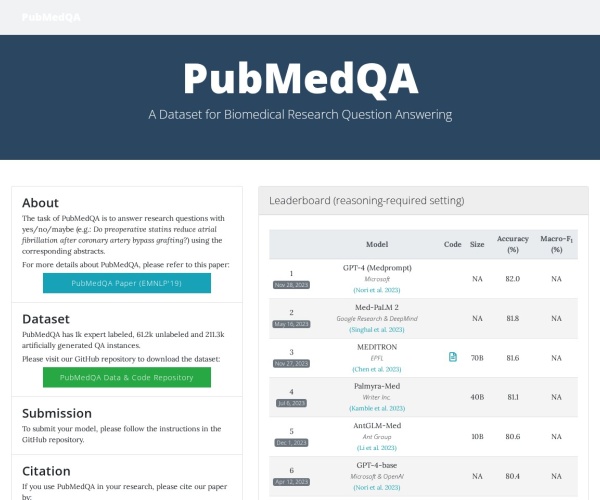
- PubMedQA
- 深入了解PubMedQA生物医学问答数据集,涵盖其核心功能、使用方法及在临床决策、药物研发等场景的应用,助力提升NLP模型性能。
- 301次使用
-
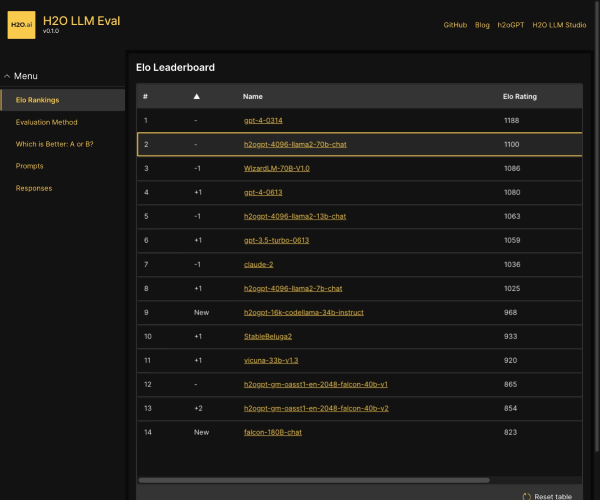
- H2O EvalGPT
- H2O EvalGPT是H2O.ai推出的开源LLM评估平台,提供详细的大模型性能排行榜、行业特定基准测试及A/B测试功能,助您快速选择最适合项目的高性能大语言模型。
- 358次使用
-

- LMArena
- LMArena是加州大学伯克利分校推出的AI模型匿名评测平台。通过盲测投票机制,用户可对比不同大模型回答并生成实时排行榜,助力开发者优化模型及用户选择最佳AI工具。
- 357次使用
-
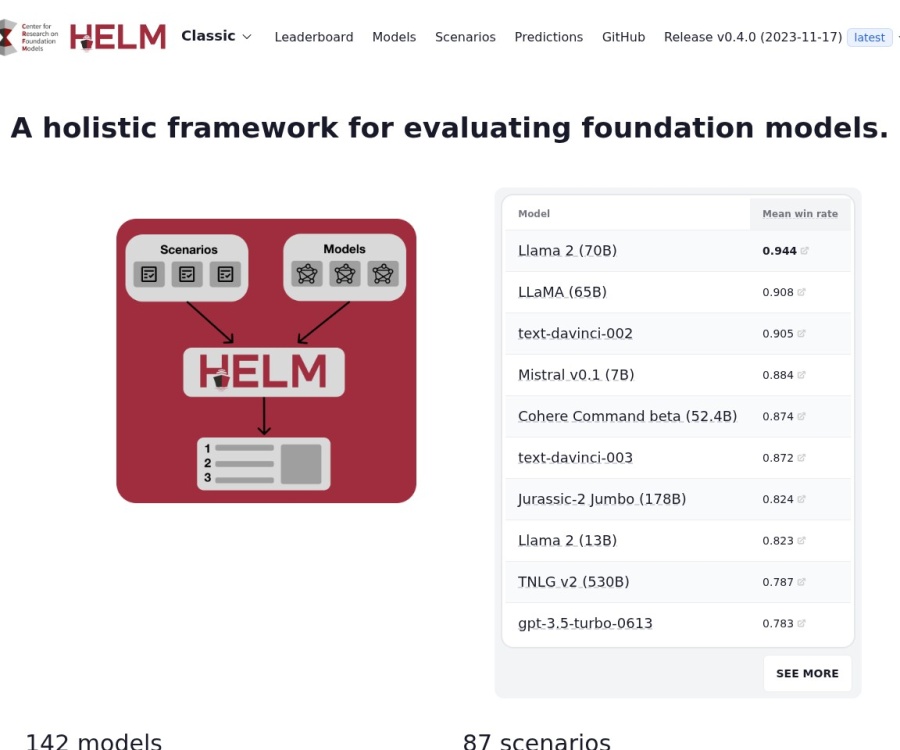
- HELM
- 深入了解斯坦福推出的HELM(Holistic Evaluation of Language Models)大模型评测体系。本文解析其核心功能、安装配置步骤及应用场景,涵盖准确性、公平性、鲁棒性等多维度指标,助力开发者全面优化语言模型性能。
- 324次使用
-

- MMBench
- MMBench是由上海人工智能实验室等机构联合推出的多模态基准测试平台,提供细粒度能力评估、大规模数据集及VLMEvalKit工具。本文详细介绍其核心功能、安装使用方法及应用场景,助力开发者全面评估多模态模型性能。
- 143次使用
-
- GOLANG使用Context管理关联goroutine的方法
- 2022-12-28 193浏览
-
- 聊聊Go中的注释和godoc工具
- 2022-12-29 354浏览
-
- 聊聊Golang语言中的复数类型
- 2023-01-07 418浏览
-
- 浅析Golang中的浮点类型(float32和float64)
- 2022-12-23 161浏览
-
- 聊聊Golang中的整数类型
- 2022-12-24 209浏览