
使用 Goravel 进行 CRUD 操作 (Laravel for GO)
大家好,我们又见面了啊~本文《使用 Goravel 进行 CRUD 操作 (Laravel for GO)》的内容中将会涉及到等等。如果你正在学习Golang相关知识,欢迎关注我,以后会给大家带来更多Golang相关文章,希望我们能一起进步!下面就开始本文的正式内容~

关于goravel
goravel是一个功能齐全、扩展性极佳的web应用框架,作为入门脚手架,帮助gopher快速构建自己的应用。
goravel 是针对 go 开发人员的 laravel 的完美克隆,这意味着像我这样的 php 开发人员可以轻松地与该框架建立联系并开始编写,几乎不需要学习。
下面开始安装,您可以按照本文安装或访问goravel官方文档网站。
// download framework
git clone https://github.com/goravel/goravel.git && rm -rf goravel/.git*

// install dependencies
cd goravel && go mod tidy

// create .env environment configuration file
cp .env.example .env

// generate application key
go run . artisan key:generate

//start the application
go run .
在你最喜欢的文本编辑器中打开代码,你会看到项目结构与 laravel 完全一样,所以 laravel 开发者不会感到如此迷失。
模型、迁移和控制器
要创建模型、迁移和控制器,我们可以使用 artisan 命令,就像在 laravel 中一样。
// create model
go run . artisan make:model category

// create migration
go run . artisan make:migration create_categories_table

// create controller
go run . artisan make:controller --resource category_controller
现在,如果我们检查数据库/迁移文件夹,我们将看到已经为我们创建了文件,向上和向下文件,打开向上迁移文件并将以下代码粘贴到其中:
create table categories (
  id bigint(20) unsigned not null auto_increment,
  name varchar(255) not null,
  created_at datetime(3) not null,
  updated_at datetime(3) not null,
  primary key (id),
  key idx_categories_created_at (created_at),
  key idx_categories_updated_at (updated_at)
) engine = innodb default charset = utf8mb4;ngine = innodb default charset = utf8mb4;
如果我们检查app/http/controllers文件夹中,我们将有一个category_controller.go文件,里面的内容应该如下所示:
package controllers

import (
 "github.com/goravel/framework/contracts/http"
)

type categorycontroller struct {
 //dependent services
}

func newcategorycontroller() *categorycontroller {
 return &categorycontroller{
  //inject services
 }
}

func (r *categorycontroller) index(ctx http.context) http.response {
 return nil
}

func (r *categorycontroller) show(ctx http.context) http.response {
 return nil
}

func (r *categorycontroller) store(ctx http.context) http.response {
 return nil
}

func (r *categorycontroller) update(ctx http.context) http.response {
 return nil
}

func (r *categorycontroller) destroy(ctx http.context) http.response {
 return nil
}
然后,让我们在 app/http/model 中找到类别模型文件,然后将以下代码粘贴到其中:
package models

import (
 "github.com/goravel/framework/database/orm"
)

type category struct {
 orm.model
 name string
}
这里没有发生什么,我们只是用他们的数据类型声明我们的可填充。
让我们在路由文件夹中找到 api.php 文件并将代码更新为如下所示:
package routes

import (
 "github.com/goravel/framework/facades"

 "goravel/app/http/controllers"
)

func api() {
 usercontroller := controllers.newusercontroller()
 facades.route().get("/users/{id}", usercontroller.show)

 //resource route
 categorycontroller := controllers.newcategorycontroller()
 facades.route().resource("/category", categorycontroller)
}
现在,让我们更新category_controller.go 文件中的导入并将其更新为以下内容:
import (
 "goravel/app/models"
 "github.com/goravel/framework/contracts/http"
  "github.com/goravel/framework/facades"
)
我们刚刚导入了模型和门面,门面让我们能够访问很多很酷有用的东西,比如验证、orm 等。orm 是 go 的 orm。
是时候编写一些代码了!
让我们将控制器中的方法更新为以下代码:
索引方法
// this is just to pull all categories in our database
func (r *categorycontroller) index(ctx http.context) http.response {
 var categories []models.category

 if err := facades.orm().query().find(&categories); err != nil {
  return ctx.response().json(http.statusinternalservererror, http.json{
   "error": err.error(),
  })
 }

 return ctx.response().success().json(http.json{
  "success": true,
  "message": "data fetch successfully",
  "data":    categories,
 })
}
储存方法
func (r *categorycontroller) store(ctx http.context) http.response {

// validate the input name that the user is passing
 validation, err := facades.validation().make(ctx.request().all(), map[string]string{
        "name": "required|string",
    })

// check if an error occured, might not be validation error
    if err != nil {
        return ctx.response().json(http.statusinternalservererror, http.json{
            "success": false,
            "message": "validation setup failed",
            "error":   err.error(),
        })
    }

// check for validation errors
    if validation.fails() {
        return ctx.response().json(http.statusbadrequest, http.json{
            "success": false,
            "message": "validation failed",
            "errors":  validation.errors().all(),
        })
    }

// create the category
 category := &models.category{
  name: ctx.request().input("name"),
 }

// save the category and return error if there is any
 if err := facades.orm().query().create(category); err != nil {
  return ctx.response().json(http.statusinternalservererror, http.json{
   "success": false,
   "errors": err.error(),
  })
 }

// upon successfull creation return success response with the newly created category
 return ctx.response().success().json(http.json{
  "success": true,
  "message": "category created successfully",
  "data":    category,
 })
}
更新方法
func (r *categorycontroller) update(ctx http.context) http.response {

    validation, err := facades.validation().make(ctx.request().all(), map[string]string{
        "id":   "required",
        "name": "required|string",
    })

    if err != nil {
        return ctx.response().json(http.statusinternalservererror, http.json{
            "success": false,
            "message": "validation setup failed",
            "error":   err.error(),
        })
    }

    if validation.fails() {
        return ctx.response().json(http.statusbadrequest, http.json{
            "success": false,
            "message": "validation failed",
            "errors":  validation.errors().all(),
        })
    }

// find the category using the id
    var category models.category
    if err := facades.orm().query().where("id", ctx.request().input("id")).first(&category); err != nil {
        return ctx.response().json(http.statusnotfound, http.json{
            "success": false,
            "message": "category not found",
        })
    }

// update or return error if there is any
    category.name = ctx.request().input("name")
    if err := facades.orm().query().save(&category); err != nil {
        return ctx.response().json(http.statusinternalservererror, http.json{
            "success": false,
            "message": "failed to update category",
            "error":   err.error(),
        })
    }

// return success if successfull
    return ctx.response().success().json(http.json{
        "success": true,
        "message": "category updated successfully",
        "data":    category,
    })
}
销毁方法
func (r *categorycontroller) destroy(ctx http.context) http.response {

// find the category by id
 var category models.category
 facades.orm().query().find(&category, ctx.request().input("id"))
 res, err := facades.orm().query().delete(&category)

// return error if there is any
 if err != nil {
  return ctx.response().json(http.statusinternalservererror, http.json{
  "error": err.error(),
  })
 }

// return success if successfull
 return ctx.response().success().json(http.json{
  "success": true,
  "message": "category deleted successfully",
  "data":    res,
 })
}
现在我们需要设置数据库,我将使用 mysql,重要的是要注意 gravel 附带了多个数据库驱动程序。找到您的 .env 文件并编辑以下行:
db_connection=mysql
db_host=127.0.0.1
db_port=3306
db_database=database_name
db_username=database_username
db_password=database_password
然后在您的终端中输入:
go run . artisan migrate
这将自动迁移数据库中的类别表。
现在,如果您之前正在运行我们的服务器,我们需要停止它并重新启动它。
您现在可以从 postman 测试您的端点,您应该注意,通过将资源添加到类别端点,您现在可以访问类别端点的 get、post、put 或 delete 方法。您可以通过以下方式访问您的端点:
// GET category
http://localhost:3000/category

//POST catgory - with payload
http://localhost:3000/category
{
    "name": "goravel"
}

// PUT category - with payload
http://localhost:3000/category/{id}
{
    "id": 1,
    "name": "laravel"
}

//DELETE category
http://localhost:3000/category/{id}
这就是如何使用 goravel 进行简单的 crud 操作。
以上就是《使用 Goravel 进行 CRUD 操作 (Laravel for GO)》的详细内容,更多关于的资料请关注golang学习网公众号!
 php函数文件操作指南:如何使用文件锁?
- 上一篇
- php函数文件操作指南:如何使用文件锁?

- 下一篇
- php函数对象编程指南的最佳实践是什么?
-
- Golang · Go教程 | 24分钟前 |
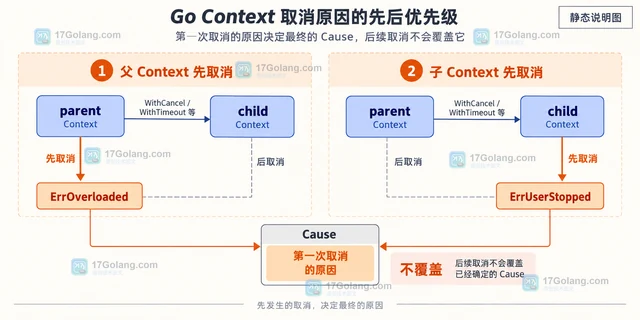
- WithCancelCause 如何向调用链保留业务取消原因
- 160浏览 收藏
-
- Golang · Go教程 | 1小时前 | 标准库 · 配置管理 · 并发编程 · go语言 · 工程实践 · Go并发 延迟加载 配置快照 sync.OnceValue sync.OnceValues
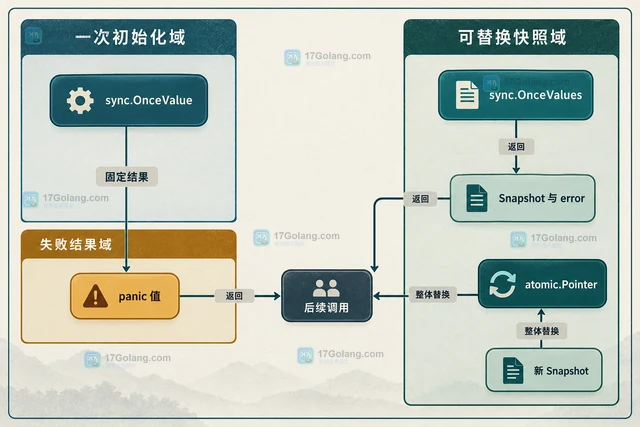
- 用 OnceValue 延迟加载只读配置快照
- 462浏览 收藏
-
- Golang · Go教程 | 1小时前 | 错误处理 · go并发 ·
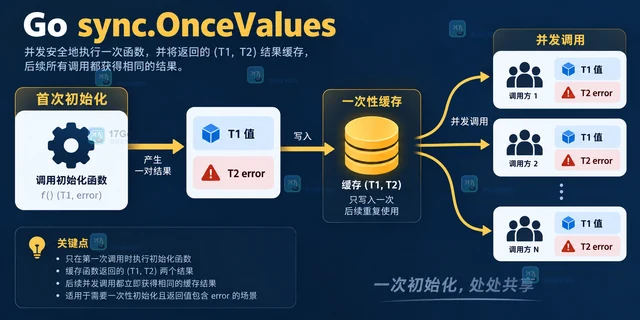
- sync.OnceValues 如何缓存带错误的初始化结果
- 229浏览 收藏
-
- Golang · Go教程 | 1小时前 |
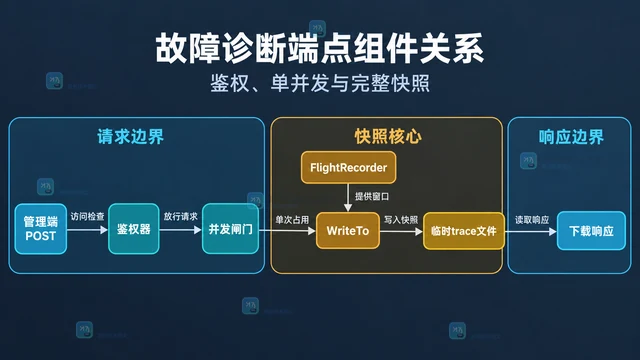
- 怎样把 flight recorder 快照写入故障诊断端点
- 453浏览 收藏
-
- Golang · Go教程 | 2小时前 | go · Go Flight Recorder runtime/trace 延迟排查
- 为延迟尖峰配置低开销 flight recorder
- 493浏览 收藏
-
- Golang · Go教程 | 2小时前 |
- x509 证书池怎样按租户隔离信任根
- 212浏览 收藏
-
- Golang · Go教程 | 2小时前 | goroutine · go · 性能排查 · Go Flight Recorder 慢请求 runtime/trace go tool trace
- Go flight recorder 如何保留故障前后的运行轨迹
- 390浏览 收藏
-
- Golang · Go教程 | 3小时前 | TLS · Go教程 · Go x509 VerifyOptions ExtKeyUsageServerAuth ExtKeyUsageClientAuth mTLS证书用途
- 用 VerifyOptions 区分服务器与客户端证书用途
- 341浏览 收藏
-
- Golang · Go教程 | 3小时前 | go · Go crypto/x509 OID CertificatePolicies
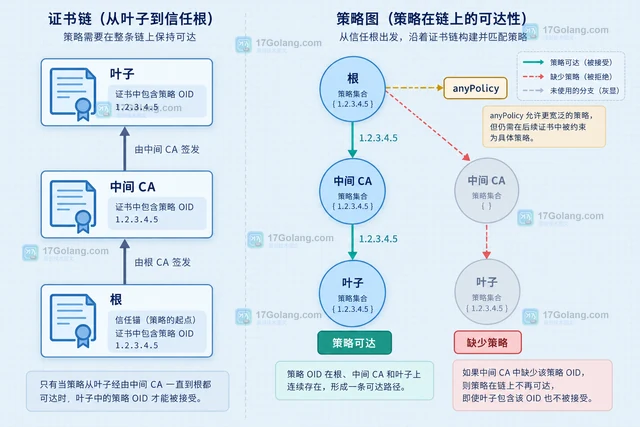
- Go x509 如何限制证书链必须满足指定策略 OID
- 267浏览 收藏
-
- Golang · Go教程 | 3小时前 |
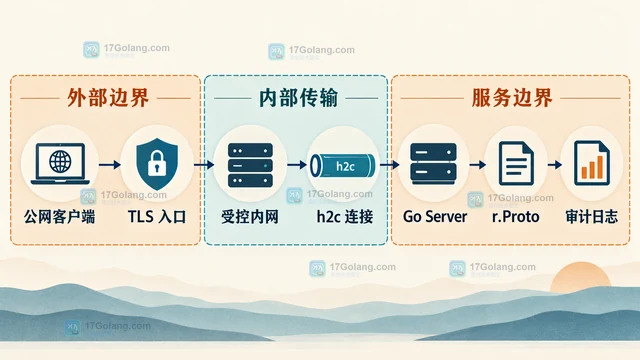
- 明文 HTTP/2 服务怎样通过 Protocols 显式开启
- 328浏览 收藏
-
- Golang · Go教程 | 4小时前 |
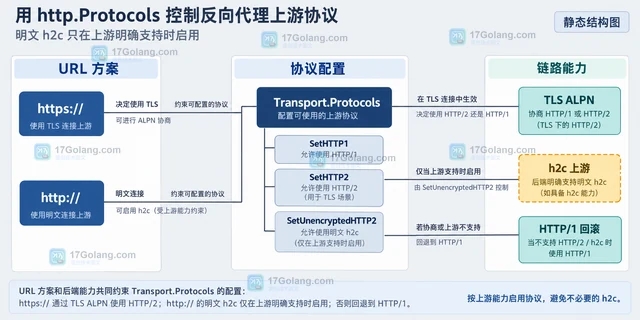
- 用 http.Protocols 控制反向代理上游协议
- 330浏览 收藏
-

- 前端进阶之JavaScript设计模式
- 设计模式是开发人员在软件开发过程中面临一般问题时的解决方案,代表了最佳的实践。本课程的主打内容包括JS常见设计模式以及具体应用场景,打造一站式知识长龙服务,适合有JS基础的同学学习。
- 543次学习
-

- GO语言核心编程课程
- 本课程采用真实案例,全面具体可落地,从理论到实践,一步一步将GO核心编程技术、编程思想、底层实现融会贯通,使学习者贴近时代脉搏,做IT互联网时代的弄潮儿。
- 516次学习
-

- 简单聊聊mysql8与网络通信
- 如有问题加微信:Le-studyg;在课程中,我们将首先介绍MySQL8的新特性,包括性能优化、安全增强、新数据类型等,帮助学生快速熟悉MySQL8的最新功能。接着,我们将深入解析MySQL的网络通信机制,包括协议、连接管理、数据传输等,让
- 500次学习
-
- JavaScript正则表达式基础与实战
- 在任何一门编程语言中,正则表达式,都是一项重要的知识,它提供了高效的字符串匹配与捕获机制,可以极大的简化程序设计。
- 487次学习
-

- 从零制作响应式网站—Grid布局
- 本系列教程将展示从零制作一个假想的网络科技公司官网,分为导航,轮播,关于我们,成功案例,服务流程,团队介绍,数据部分,公司动态,底部信息等内容区块。网站整体采用CSSGrid布局,支持响应式,有流畅过渡和展现动画。
- 485次学习
-
- PubMedQA
- 深入了解PubMedQA生物医学问答数据集,涵盖其核心功能、使用方法及在临床决策、药物研发等场景的应用,助力提升NLP模型性能。
- 395次使用
-
- H2O EvalGPT
- H2O EvalGPT是H2O.ai推出的开源LLM评估平台,提供详细的大模型性能排行榜、行业特定基准测试及A/B测试功能,助您快速选择最适合项目的高性能大语言模型。
- 476次使用
-

- LMArena
- LMArena是加州大学伯克利分校推出的AI模型匿名评测平台。通过盲测投票机制,用户可对比不同大模型回答并生成实时排行榜,助力开发者优化模型及用户选择最佳AI工具。
- 481次使用
-
- HELM
- 深入了解斯坦福推出的HELM(Holistic Evaluation of Language Models)大模型评测体系。本文解析其核心功能、安装配置步骤及应用场景,涵盖准确性、公平性、鲁棒性等多维度指标,助力开发者全面优化语言模型性能。
- 426次使用
-

- MMBench
- MMBench是由上海人工智能实验室等机构联合推出的多模态基准测试平台,提供细粒度能力评估、大规模数据集及VLMEvalKit工具。本文详细介绍其核心功能、安装使用方法及应用场景,助力开发者全面评估多模态模型性能。
- 251次使用
-
- Java 性能优化上线清单:从定位、改造到灰度发布
- 2026-06-11 860浏览
-
- Spring Boot 压测验证:Gatling、JMeter 与性能回归门禁
- 2026-06-11 843浏览
-
- Java NMT 非堆内存排查:Direct Buffer、线程栈与 Metaspace 分析
- 2026-06-11 826浏览
-
- Spring Boot 容器内存优化:JVM 堆、非堆与 MaxRAMPercentage
- 2026-06-11 809浏览
-
- Tomcat 连接与线程参数调优:maxThreads、acceptCount 与 KeepAlive
- 2026-06-11 792浏览