
为什么这个 Google 语音代码返回一个空对象?
来源:stackoverflow
2024-04-27 22:06:20
0浏览
收藏
亲爱的编程学习爱好者,如果你点开了这篇文章,说明你对《为什么这个 Google 语音代码返回一个空对象?》很感兴趣。本篇文章就来给大家详细解析一下,主要介绍一下,希望所有认真读完的童鞋们,都有实质性的提高。
问题内容
我想测试语音识别。我检查了谷歌示例代码网站。我已经尝试了几种不同的代码示例,但还没有找到一个可行的。这是最新的一张。它不返回错误,只是返回一个空的响应对象。我尝试过不同版本的语音识别,但谷歌的样本均不适用于这些版本。下面是我在网上找到的最简单的测试代码。谷歌示例站点没有指定使用哪种音频文件,因此这可能是一个问题。但 .wav 文件通常包含一个标头,指定编码、采样率等。我曾使用 .wav 文件测试其他语言(例如 python)的语音识别,它从未引起问题。我尝试省略可选的 encoding 和 sampleratehertz 字段,但像往常一样返回了相同的空响应对象。没有错误或异常,只是一个空响应。
package main

import (
    "fmt"
    "context"
    "io"
    "io/ioutil"
    "os"

    speech "cloud.google.com/go/speech/apiv1"
    speechpb "google.golang.org/genproto/googleapis/cloud/speech/v1"
)

func send(w io.Writer, client *speech.Client, filename string) error {
    ctx := context.Background()
    data, err := ioutil.ReadFile(filename)
    if err != nil {
        return err
    }

    // Send the contents of the audio file with the encoding and
    // and sample rate information to be transcripted.
    req := &speechpb.LongRunningRecognizeRequest{
        Config: &speechpb.RecognitionConfig{
                Encoding:        speechpb.RecognitionConfig_LINEAR16,
                SampleRateHertz: 16000,
                LanguageCode:    "en-US",
        },
        Audio: &speechpb.RecognitionAudio{
                AudioSource: &speechpb.RecognitionAudio_Content{Content: data},
        },
    }

    op, err := client.LongRunningRecognize(ctx, req)
    if err != nil {
        return err
    }
    resp, err := op.Wait(ctx)
    if err != nil {
        return err
    }

    // Print the results.
    fmt.Println(resp,"is response from Google")
    for _, result := range resp.Results {
        for _, alt := range result.Alternatives {
                fmt.Fprintf(w, "\"%v\" (confidence=%3f)\n", alt.Transcript, alt.Confidence)
        }
    }
    return nil
}

func main() {
    ctx := context.Background()
    var speech_client,err = speech.NewClient(ctx)
    if err != nil {
        fmt.Println("error creating speech client")
    }
    send(os.Stdout,speech_client,"hello.wav")
}
正确答案
我是这样工作的,如下所示。不要指定可选的 sampleratehertz - 将从 *.wav 文件的标头读取正确的值。注意:必须将我的立体声文件转换为单声道。您可以使用 audacity 来做到这一点。
package main

import (
    "fmt"
    "io/ioutil"
    "golang.org/x/net/context"
    speech "cloud.google.com/go/speech/apiv1"
    speechpb "google.golang.org/genproto/googleapis/cloud/speech/v1"
)

func main () {

    // Once you are all set up, you need to start a new Context. A context is essentially an object that allows for more effective interaction with 3rd party APIs, by having individual handlers for when an API has completed a request, failed, or taken too long. Because we are going to be making requests to the Google Speech API, it is important to have handlers for these scenarios.

    ctx := context.Background()

    client, err := speech.NewClient(ctx)
    if(err != nil){
        fmt.Println(err)
    }

    // The first line starts a new empty context, named ctx. This then gets passed into the NewClient method, which will use your authentication setup from earlier to confirm your specific account. The next block just catches any error that may be returned from the Speech API. If you do get an error, you may need to retry configuring your authentication keys. We now need to specify a sound file to use, and process it into an Audio data object:

    fileDir := "hello.wav"//;

    audioData, err := ioutil.ReadFile(fileDir)//;
    if(err != nil){
         fmt.Println(err)
    }

    // The module used is ioutil, and is responsible for formatting audio data into a kind of buffer, ready to be sent to the API. Next, we need to provide certain presets as a speechpb.RecognitionConfig object which is passed through as a parameter to the main method client.Recognize (which actually carries out the request):

        //SampleRateHertz: 22050,
    response, err := client.Recognize(ctx, &speechpb.RecognizeRequest{
        Config: &speechpb.RecognitionConfig{
        Encoding: speechpb.RecognitionConfig_LINEAR16,
        LanguageCode: "en-US",
    },
        Audio: &speechpb.RecognitionAudio{
        AudioSource: &speechpb.RecognitionAudio_Content{Content: audioData},
    },
    })

    // Most of the presets are self-explanatory, and easy to experiment with. The sample rate is essentially the quality of data, where the highest value allowed is 16000. The encoding field informs the program how to represent the data, where LINEAR16 refers to uncompressed 16-bit signed samples.

    if(err != nil){
         fmt.Println(err)
    }

    // Again, we check and output any errors from the response. Finally, we can output the transcript:

    if response != nil {
        fmt.Println("response is", response)
        for _, result := range response.Results{
            for _, alt := range result.Alternatives{
                 fmt.Println(alt.Transcript)

            }
        }
    }
}
今天关于《为什么这个 Google 语音代码返回一个空对象?》的内容就介绍到这里了,是不是学起来一目了然!想要了解更多关于的内容请关注golang学习网公众号!
版本声明
本文转载于:stackoverflow 如有侵犯,请联系study_golang@163.com删除
 如何将参数返回给 Go 中的另一个函数?
- 上一篇
- 如何将参数返回给 Go 中的另一个函数?
- 下一篇
- golang.org/x/net/icmp:设置生存时间(TTL)
查看更多
最新文章
-
- Golang · Go问答 | 14小时前 |
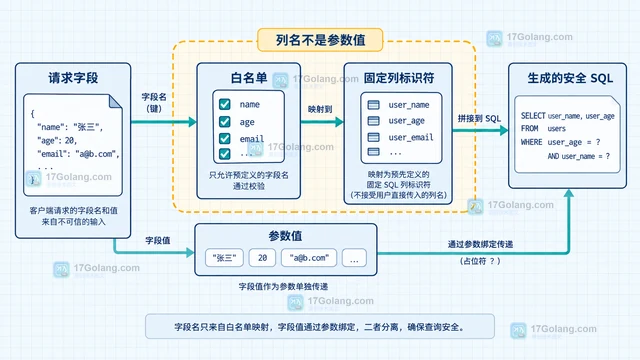
- Go ColumnTypes 推断动态查询字段的安全用法
- 319浏览 收藏
-
- Golang · Go问答 | 14小时前 | Go问答 · Go 错误检查 database/sql Rows.Err
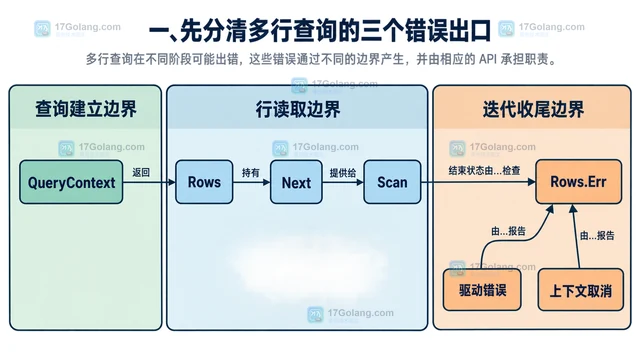
- Go Rows.Err 在迭代结束后的错误检查
- 266浏览 收藏
-
- Golang · Go问答 | 15小时前 |
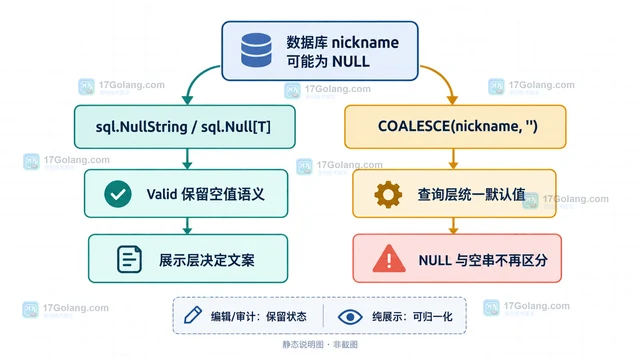
- Go sql.Scan NULL 到字符串失败的字段适配
- 388浏览 收藏
-
- Golang · Go问答 | 15小时前 |
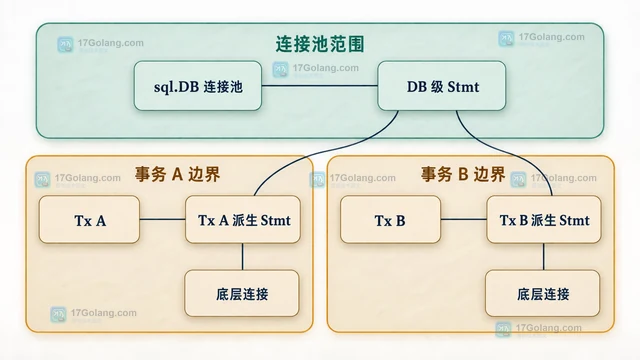
- Go Tx.Stmt 复用预处理语句的生命周期
- 154浏览 收藏
-
- Golang · Go问答 | 15小时前 |
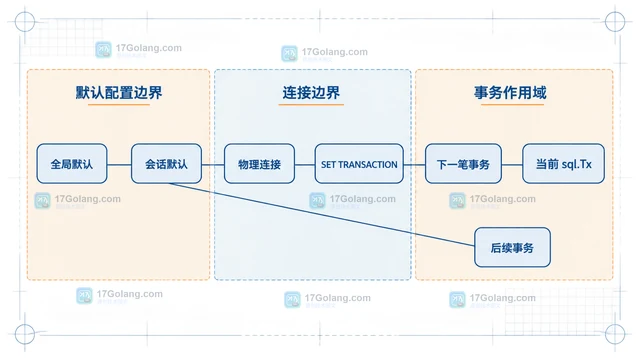
- Go 事务隔离级别设置未生效的驱动边界
- 165浏览 收藏
-
- Golang · Go问答 | 16小时前 |
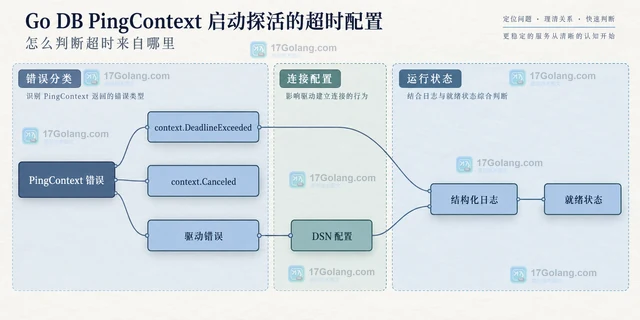
- Go DB PingContext 启动探活的超时配置
- 438浏览 收藏
-
- Golang · Go问答 | 16小时前 |
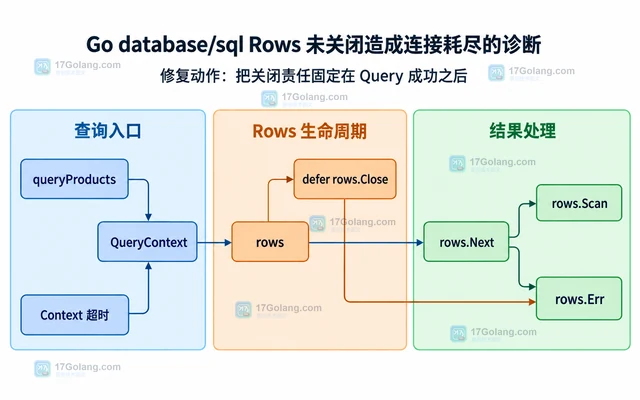
- Go database/sql Rows 未关闭造成连接耗尽的诊断
- 354浏览 收藏
-
- Golang · Go问答 | 17小时前 |
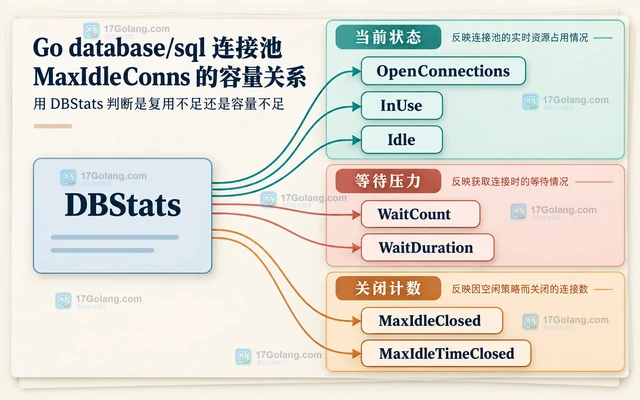
- Go database/sql 连接池 MaxIdleConns 的容量关系
- 478浏览 收藏
-
- Golang · Go问答 | 17小时前 |
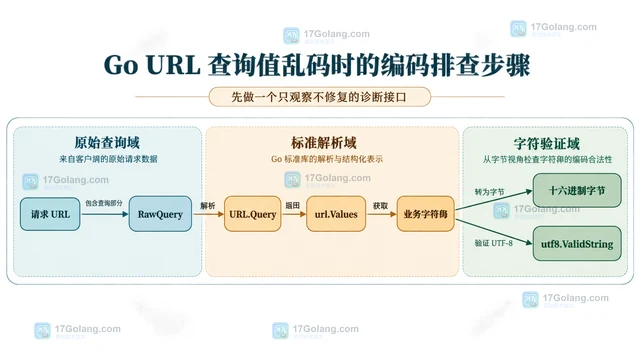
- Go URL 查询值乱码时的编码排查步骤
- 285浏览 收藏
-
- Golang · Go问答 | 18小时前 | Go问答 · Go URL路径 url.JoinPath PathEscape 双斜杠
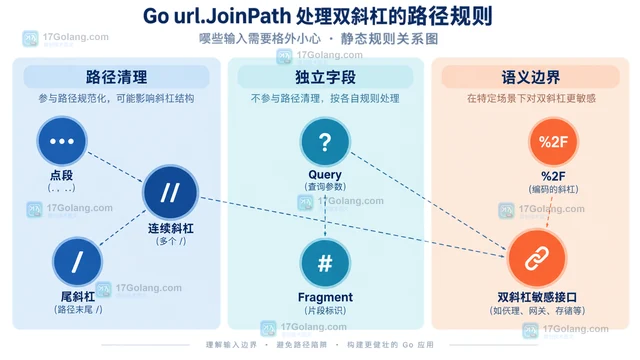
- Go url.JoinPath 处理双斜杠的路径规则
- 446浏览 收藏
查看更多
课程推荐
-
- 前端进阶之JavaScript设计模式
- 设计模式是开发人员在软件开发过程中面临一般问题时的解决方案,代表了最佳的实践。本课程的主打内容包括JS常见设计模式以及具体应用场景,打造一站式知识长龙服务,适合有JS基础的同学学习。
- 543次学习
-

- GO语言核心编程课程
- 本课程采用真实案例,全面具体可落地,从理论到实践,一步一步将GO核心编程技术、编程思想、底层实现融会贯通,使学习者贴近时代脉搏,做IT互联网时代的弄潮儿。
- 516次学习
-
- 简单聊聊mysql8与网络通信
- 如有问题加微信:Le-studyg;在课程中,我们将首先介绍MySQL8的新特性,包括性能优化、安全增强、新数据类型等,帮助学生快速熟悉MySQL8的最新功能。接着,我们将深入解析MySQL的网络通信机制,包括协议、连接管理、数据传输等,让
- 500次学习
-
- JavaScript正则表达式基础与实战
- 在任何一门编程语言中,正则表达式,都是一项重要的知识,它提供了高效的字符串匹配与捕获机制,可以极大的简化程序设计。
- 487次学习
-

- 从零制作响应式网站—Grid布局
- 本系列教程将展示从零制作一个假想的网络科技公司官网,分为导航,轮播,关于我们,成功案例,服务流程,团队介绍,数据部分,公司动态,底部信息等内容区块。网站整体采用CSSGrid布局,支持响应式,有流畅过渡和展现动画。
- 485次学习
查看更多
AI推荐
-
- PubMedQA
- 深入了解PubMedQA生物医学问答数据集,涵盖其核心功能、使用方法及在临床决策、药物研发等场景的应用,助力提升NLP模型性能。
- 263次使用
-
- H2O EvalGPT
- H2O EvalGPT是H2O.ai推出的开源LLM评估平台,提供详细的大模型性能排行榜、行业特定基准测试及A/B测试功能,助您快速选择最适合项目的高性能大语言模型。
- 312次使用
-

- LMArena
- LMArena是加州大学伯克利分校推出的AI模型匿名评测平台。通过盲测投票机制,用户可对比不同大模型回答并生成实时排行榜,助力开发者优化模型及用户选择最佳AI工具。
- 294次使用
-
- HELM
- 深入了解斯坦福推出的HELM(Holistic Evaluation of Language Models)大模型评测体系。本文解析其核心功能、安装配置步骤及应用场景,涵盖准确性、公平性、鲁棒性等多维度指标,助力开发者全面优化语言模型性能。
- 270次使用
-
- MMBench
- MMBench是由上海人工智能实验室等机构联合推出的多模态基准测试平台,提供细粒度能力评估、大规模数据集及VLMEvalKit工具。本文详细介绍其核心功能、安装使用方法及应用场景,助力开发者全面评估多模态模型性能。
- 87次使用
查看更多
相关文章
-
- 用Nginx反向代理部署go写的网站。
- 2023-01-17 502浏览
-
- GoLand调式动态执行代码
- 2023-01-13 502浏览
-
- Go tls.GetCertificate 为什么收不到空 ServerName 请求
- 2026-09-27 501浏览
-
- Go sql.Tx提交成功前读取结果导致事务边界混乱的修复方法
- 2026-09-20 501浏览
-
- Go select 用 time.After 做超时有什么资源代价
- 2026-09-10 501浏览