
解决“退出状态 3221225477”的 swig/cgo 调试问题
在使用 SWIG 将 C++ 代码与 Go 集成的过程中,我遇到了“退出状态 3221225477”的调试问题。经过调查,我发现该问题与在 C++ 库中包含“iostream”库有关。删除该库后,我能够访问“command_line.h”中的变量,但由于库中需要它,我无法直接将其删除。通过将编译器从 TDM-GCC 更改为 MinGW64,我解决了这个问题,并能够成功构建和使用我的库。
我使用 swig 与 golang 的集成来生成 cgo 文件。我正在链接 c++ 库和 go。
我已经安装了我的软件包: swig -go -cgo -c++ -intgosize 64 ./basic_host.i 和 go install ,一切顺利。
但是当我在这里启动我的主要示例时:
package main

import (
    "fmt"
    "mylib/basic_host"
)

func main() {
    fmt.println("hello")
    basic_host.printhelpandexit("test", 0)
    fmt.println("world!")
}
当我尝试启动它时,我得到 exit 状态 3221225477 并且我的打印问候甚至没有被考虑在内,看来我的程序甚至没有启动...我不知道如何处理这个问题调试工具甚至没有启动。
退出状态似乎与 nil 指针 ref 相关:请参阅此处,这肯定是由于 cgo 集成所致。 我在 windows 10 上使用 mingw 进行构建,在我的配置下:
swig -version
swig version 4.0.2
compiled with i686-w64-mingw32-g++ [i686-w64-mingw32]
configured options: +pcre
我的 swig 接口文件是这样的(basic_host.i):
%module basic_host
%{
#include
#include
这是生成的 go 文件(basic_host.go):
/* ---------------------------------------------------------------------------- * this file was automatically generated by swig (http://www.swig.org). * version 4.0.2 * * this file is not intended to be easily readable and contains a number of * coding conventions designed to improve portability and efficiency. do not make * changes to this file unless you know what you are doing--modify the swig * interface file instead. * ----------------------------------------------------------------------------- */ // source: .\basic_host.i package basic_host /* #define intgo swig_intgo typedef void *swig_voidp; #includetypedef long long intgo; typedef unsigned long long uintgo; typedef struct { char *p; intgo n; } _gostring_; typedef struct { void* array; intgo len; intgo cap; } _goslice_; typedef _gostring_ swig_type_1; extern void _wrap_swig_free_basic_host_5ddda8bb50543998(uintptr_t arg1); extern uintptr_t _wrap_swig_malloc_basic_host_5ddda8bb50543998(swig_intgo arg1); extern void _wrap_printhelpandexit_basic_host_5ddda8bb50543998(swig_type_1 arg1, swig_intgo arg2); #undef intgo */ import "c" import "unsafe" import _ "runtime/cgo" import "sync" type _ unsafe.pointer var swig_escape_always_false bool var swig_escape_val interface{} type _swig_fnptr *byte type _swig_memberptr *byte type _ sync.mutex func swig_free(arg1 uintptr) { _swig_i_0 := arg1 c._wrap_swig_free_basic_host_5ddda8bb50543998(c.uintptr_t(_swig_i_0)) } func swig_malloc(arg1 int) (_swig_ret uintptr) { var swig_r uintptr _swig_i_0 := arg1 swig_r = (uintptr)(c._wrap_swig_malloc_basic_host_5ddda8bb50543998(c.swig_intgo(_swig_i_0))) return swig_r } func printhelpandexit(arg1 string, arg2 uint) { _swig_i_0 := arg1 _swig_i_1 := arg2 c._wrap_printhelpandexit_basic_host_5ddda8bb50543998(*(*c.swig_type_1)(unsafe.pointer(&_swig_i_0)), c.swig_intgo(_swig_i_1)) if swig_escape_always_false { swig_escape_val = arg1 } }
这是 c++ 包装文件 (basic_host_wrap.cxx):
/* ---------------------------------------------------------------------------- * this file was automatically generated by swig (http://www.swig.org). * version 4.0.2 * * this file is not intended to be easily readable and contains a number of * coding conventions designed to improve portability and efficiency. do not make * changes to this file unless you know what you are doing--modify the swig * interface file instead. * ----------------------------------------------------------------------------- */ // source: .\basic_host.i #define swigmodule basic_host #ifdef __cplusplus /* swigvaluewrapper is described in swig.swg */ templateclass swigvaluewrapper { struct swigmovepointer { t *ptr; swigmovepointer(t *p) : ptr(p) { } ~swigmovepointer() { delete ptr; } swigmovepointer& operator=(swigmovepointer& rhs) { t* oldptr = ptr; ptr = 0; delete oldptr; ptr = rhs.ptr; rhs.ptr = 0; return *this; } } pointer; swigvaluewrapper& operator=(const swigvaluewrapper & rhs); swigvaluewrapper(const swigvaluewrapper & rhs); public: swigvaluewrapper() : pointer(0) { } swigvaluewrapper& operator=(const t& t) { swigmovepointer tmp(new t(t)); pointer = tmp; return *this; } operator t&() const { return *pointer.ptr; } t *operator&() { return pointer.ptr; } }; template t swigvalueinit() { return t(); } #endif /* ----------------------------------------------------------------------------- * this section contains generic swig labels for method/variable * declarations/attributes, and other compiler dependent labels. * ----------------------------------------------------------------------------- */ /* template workaround for compilers that cannot correctly implement the c++ standard */ #ifndef swigtemplatedisambiguator # if defined(__sunpro_cc) && (__sunpro_cc <= 0x560) # define swigtemplatedisambiguator template # elif defined(__hp_acc) /* needed even with `acc -aa' when `acc -v' reports hp ansi c++ b3910b a.03.55 */ /* if we find a maximum version that requires this, the test would be __hp_acc <= 35500 for a.03.55 */ # define swigtemplatedisambiguator template # else # define swigtemplatedisambiguator # endif #endif /* inline attribute */ #ifndef swiginline # if defined(__cplusplus) || (defined(__gnuc__) && !defined(__strict_ansi__)) # define swiginline inline # else # define swiginline # endif #endif /* attribute recognised by some compilers to avoid 'unused' warnings */ #ifndef swigunused # if defined(__gnuc__) # if !(defined(__cplusplus)) || (__gnuc__ > 3 || (__gnuc__ == 3 && __gnuc_minor__ >= 4)) # define swigunused __attribute__ ((__unused__)) # else # define swigunused # endif # elif defined(__icc) # define swigunused __attribute__ ((__unused__)) # else # define swigunused # endif #endif #ifndef swig_msc_unsuppress_4505 # if defined(_msc_ver) # pragma warning(disable : 4505) /* unreferenced local function has been removed */ # endif #endif #ifndef swigunusedparm # ifdef __cplusplus # define swigunusedparm(p) # else # define swigunusedparm(p) p swigunused # endif #endif /* internal swig method */ #ifndef swigintern # define swigintern static swigunused #endif /* internal inline swig method */ #ifndef swiginterninline # define swiginterninline swigintern swiginline #endif /* exporting methods */ #if defined(__gnuc__) # if (__gnuc__ >= 4) || (__gnuc__ == 3 && __gnuc_minor__ >= 4) # ifndef gcc_hasclassvisibility # define gcc_hasclassvisibility # endif # endif #endif #ifndef swigexport # if defined(_win32) || defined(__win32__) || defined(__cygwin__) # if defined(static_linked) # define swigexport # else # define swigexport __declspec(dllexport) # endif # else # if defined(__gnuc__) && defined(gcc_hasclassvisibility) # define swigexport __attribute__ ((visibility("default"))) # else # define swigexport # endif # endif #endif /* calling conventions for windows */ #ifndef swigstdcall # if defined(_win32) || defined(__win32__) || defined(__cygwin__) # define swigstdcall __stdcall # else # define swigstdcall # endif #endif /* deal with microsoft's attempt at deprecating c standard runtime functions */ #if !defined(swig_no_crt_secure_no_deprecate) && defined(_msc_ver) && !defined(_crt_secure_no_deprecate) # define _crt_secure_no_deprecate #endif /* deal with microsoft's attempt at deprecating methods in the standard c++ library */ #if !defined(swig_no_scl_secure_no_deprecate) && defined(_msc_ver) && !defined(_scl_secure_no_deprecate) # define _scl_secure_no_deprecate #endif /* deal with apple's deprecated 'assertmacros.h' from carbon-framework */ #if defined(__apple__) && !defined(__assert_macros_define_versions_without_underscores) # define __assert_macros_define_versions_without_underscores 0 #endif /* intel's compiler complains if a variable which was never initialised is * cast to void, which is a common idiom which we use to indicate that we * are aware a variable isn't used. so we just silence that warning. * see: https://github.com/swig/swig/issues/192 for more discussion. */ #ifdef __intel_compiler # pragma warning disable 592 #endif #include #include #include #include #include typedef long long intgo; typedef unsigned long long uintgo; # if !defined(__clang__) && (defined(__i386__) || defined(__x86_64__)) # define swigstructpacked __attribute__((__packed__, __gcc_struct__)) # else # define swigstructpacked __attribute__((__packed__)) # endif typedef struct { char *p; intgo n; } _gostring_; typedef struct { void* array; intgo len; intgo cap; } _goslice_; #define swiggo_size_assert_eq(x, y, name) typedef char name[(x-y)*(x-y)*-2+1]; #define swiggo_size_assert(t, n) swiggo_size_assert_eq(sizeof(t), n, swiggo_sizeof_##t##_is_not_##n) swiggo_size_assert(char, 1) swiggo_size_assert(short, 2) swiggo_size_assert(int, 4) typedef long long swiggo_long_long; swiggo_size_assert(swiggo_long_long, 8) swiggo_size_assert(float, 4) swiggo_size_assert(double, 8) #ifdef __cplusplus extern "c" { #endif extern void crosscall2(void (*fn)(void *, int), void *, int); extern char* _cgo_topofstack(void) __attribute__ ((weak)); extern void _cgo_allocate(void *, int); extern void _cgo_panic(void *, int); #ifdef __cplusplus } #endif static char *_swig_topofstack() { if (_cgo_topofstack) { return _cgo_topofstack(); } else { return 0; } } static void _swig_gopanic(const char *p) { struct { const char *p; } swigstructpacked a; a.p = p; crosscall2(_cgo_panic, &a, (int) sizeof a); } #define swig_contract_assert(expr, msg) \ if (!(expr)) { _swig_gopanic(msg); } else static void swig_free(void* p) { free(p); } static void* swig_malloc(int c) { return malloc(c); } #include #include
cpp printhelpandexit 中的函数:
void printHelpAndExit(const char* binary, unsigned int exitCode)
{
    std::cout << "Usage: " << binary
            << " -t test " << std::endl;
    std::cout << std::endl;
    std::cout << " -h                          Prints this help and exit" << std::endl;
    std::cout << " -t test                    test desc "
            "desc."
            << std::endl;
    exit(exitCode);
}
如果您对构建问题有任何想法或调试可能导致此问题的原因。我很高兴听到这个消息。
更新#1:
我发现,如果删除 lib "../../examples/basic_host/command_line.h" 的变量。我仍然不知道为什么这个库特别引起问题,但我正在调查它。顺便说一句,我不能直接删除它,因为我的 c++ 库中需要它。
我发现另一个人用 python 构建 c++ 并与我使用 iostream 遇到相同的问题,但没有解释如何做到这一点:
更新#2:
似乎它来自我的编译器,我目前正在使用 tdm gcc,并且在 windows 下出现错误。我尝试使用 wsl2 ubuntu 进行编译并且它可以工作。不过,我仍然需要在 windows 下构建,因为我在库中使用 winsock。
解决方案
我遇到的问题是我在 Windows 上使用的编译器。我曾经用 TDM-GCC 进行编译,但它和 iostreamlib 之间存在已知问题,如 this post suggests...
我刚刚将使用 SWIG 构建的编译器(gcc、g++、..)更改为 MinGW64:download link。之后一切正常,我可以毫无问题地使用我的库。 感谢那些试图帮助我的人。
今天关于《解决“退出状态 3221225477”的 swig/cgo 调试问题》的内容介绍就到此结束,如果有什么疑问或者建议,可以在golang学习网公众号下多多回复交流;文中若有不正之处,也希望回复留言以告知!
 企业级架构中的Golang实践和应用
- 上一篇
- 企业级架构中的Golang实践和应用
- 下一篇
- 在单个计算机上使用Eclipse Paho MQTT Golang作为独立进程,当发布/订阅AWS IoT时遇到EOF错误
-
- Golang · Go问答 | 4小时前 |
- Go ColumnTypes 推断动态查询字段的安全用法
- 319浏览 收藏
-
- Golang · Go问答 | 5小时前 | Go问答 · Go 错误检查 database/sql Rows.Err
- Go Rows.Err 在迭代结束后的错误检查
- 266浏览 收藏
-
- Golang · Go问答 | 5小时前 |
- Go sql.Scan NULL 到字符串失败的字段适配
- 388浏览 收藏
-
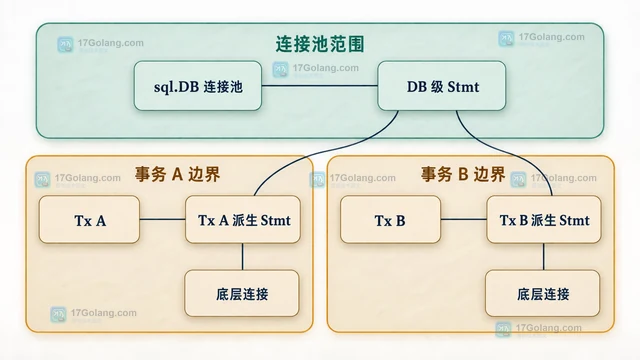
- Golang · Go问答 | 5小时前 |
- Go Tx.Stmt 复用预处理语句的生命周期
- 154浏览 收藏
-
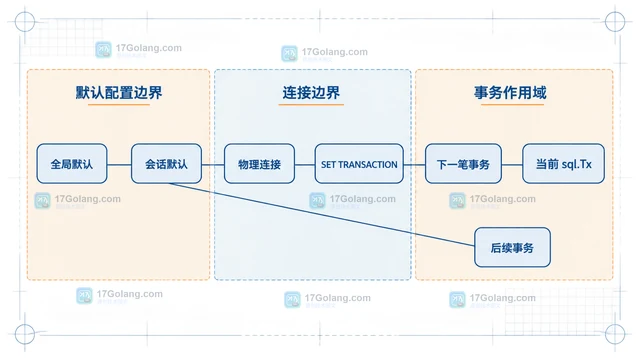
- Golang · Go问答 | 6小时前 |
- Go 事务隔离级别设置未生效的驱动边界
- 165浏览 收藏
-
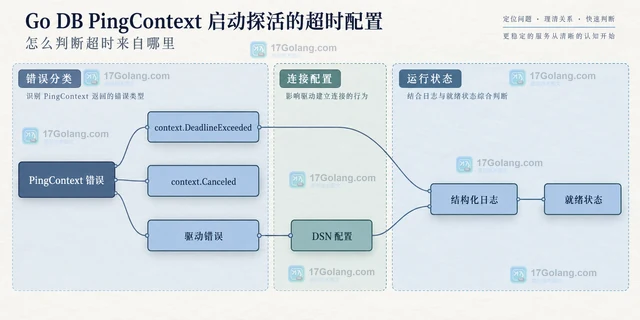
- Golang · Go问答 | 6小时前 |
- Go DB PingContext 启动探活的超时配置
- 438浏览 收藏
-
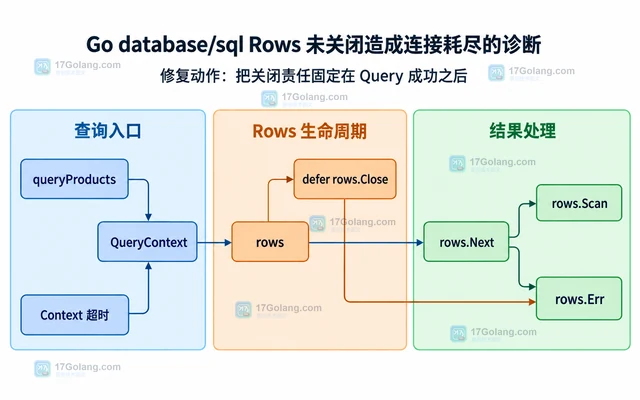
- Golang · Go问答 | 7小时前 |
- Go database/sql Rows 未关闭造成连接耗尽的诊断
- 354浏览 收藏
-
- Golang · Go问答 | 7小时前 |
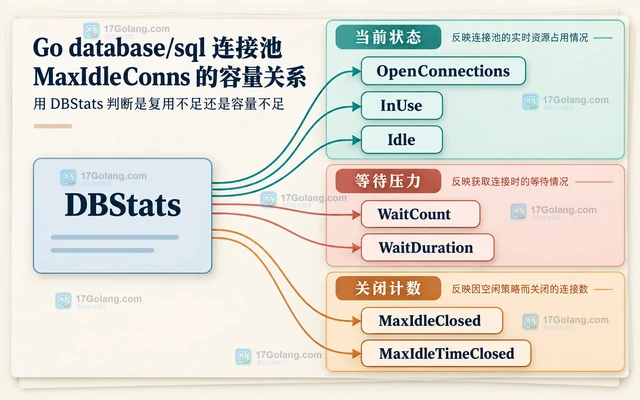
- Go database/sql 连接池 MaxIdleConns 的容量关系
- 478浏览 收藏
-
- Golang · Go问答 | 8小时前 |
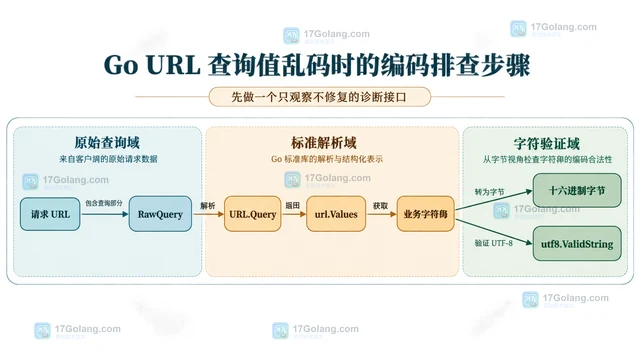
- Go URL 查询值乱码时的编码排查步骤
- 285浏览 收藏
-
- Golang · Go问答 | 8小时前 | Go问答 · Go URL路径 url.JoinPath PathEscape 双斜杠
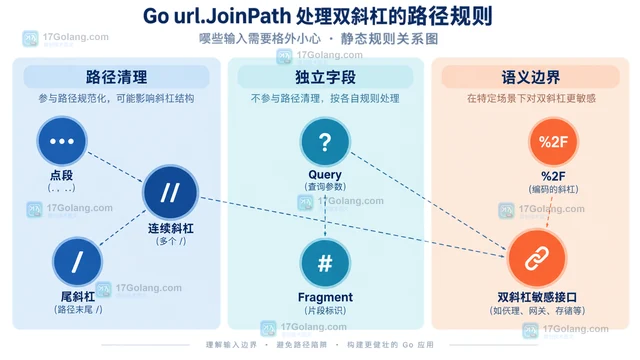
- Go url.JoinPath 处理双斜杠的路径规则
- 446浏览 收藏
-

- 前端进阶之JavaScript设计模式
- 设计模式是开发人员在软件开发过程中面临一般问题时的解决方案,代表了最佳的实践。本课程的主打内容包括JS常见设计模式以及具体应用场景,打造一站式知识长龙服务,适合有JS基础的同学学习。
- 543次学习
-

- GO语言核心编程课程
- 本课程采用真实案例,全面具体可落地,从理论到实践,一步一步将GO核心编程技术、编程思想、底层实现融会贯通,使学习者贴近时代脉搏,做IT互联网时代的弄潮儿。
- 516次学习
-

- 简单聊聊mysql8与网络通信
- 如有问题加微信:Le-studyg;在课程中,我们将首先介绍MySQL8的新特性,包括性能优化、安全增强、新数据类型等,帮助学生快速熟悉MySQL8的最新功能。接着,我们将深入解析MySQL的网络通信机制,包括协议、连接管理、数据传输等,让
- 500次学习
-

- JavaScript正则表达式基础与实战
- 在任何一门编程语言中,正则表达式,都是一项重要的知识,它提供了高效的字符串匹配与捕获机制,可以极大的简化程序设计。
- 487次学习
-

- 从零制作响应式网站—Grid布局
- 本系列教程将展示从零制作一个假想的网络科技公司官网,分为导航,轮播,关于我们,成功案例,服务流程,团队介绍,数据部分,公司动态,底部信息等内容区块。网站整体采用CSSGrid布局,支持响应式,有流畅过渡和展现动画。
- 485次学习
-
- PubMedQA
- 深入了解PubMedQA生物医学问答数据集,涵盖其核心功能、使用方法及在临床决策、药物研发等场景的应用,助力提升NLP模型性能。
- 260次使用
-
- H2O EvalGPT
- H2O EvalGPT是H2O.ai推出的开源LLM评估平台,提供详细的大模型性能排行榜、行业特定基准测试及A/B测试功能,助您快速选择最适合项目的高性能大语言模型。
- 306次使用
-

- LMArena
- LMArena是加州大学伯克利分校推出的AI模型匿名评测平台。通过盲测投票机制,用户可对比不同大模型回答并生成实时排行榜,助力开发者优化模型及用户选择最佳AI工具。
- 286次使用
-
- HELM
- 深入了解斯坦福推出的HELM(Holistic Evaluation of Language Models)大模型评测体系。本文解析其核心功能、安装配置步骤及应用场景,涵盖准确性、公平性、鲁棒性等多维度指标,助力开发者全面优化语言模型性能。
- 262次使用
-

- MMBench
- MMBench是由上海人工智能实验室等机构联合推出的多模态基准测试平台,提供细粒度能力评估、大规模数据集及VLMEvalKit工具。本文详细介绍其核心功能、安装使用方法及应用场景,助力开发者全面评估多模态模型性能。
- 72次使用
-
- 用Nginx反向代理部署go写的网站。
- 2023-01-17 502浏览
-
- GoLand调式动态执行代码
- 2023-01-13 502浏览
-
- Go tls.GetCertificate 为什么收不到空 ServerName 请求
- 2026-09-27 501浏览
-
- Go sql.Tx提交成功前读取结果导致事务边界混乱的修复方法
- 2026-09-20 501浏览
-
- Go select 用 time.After 做超时有什么资源代价
- 2026-09-10 501浏览