
当前位置:首页 > 文章列表 > Golang > Go问答 > 在 Node JS 中使用 CryptoJS 解密 Golang 中的 AES 256 CTR 加密,密钥为字符串(不是 WordArray)
在 Node JS 中使用 CryptoJS 解密 Golang 中的 AES 256 CTR 加密,密钥为字符串(不是 WordArray)
在Golang实战开发的过程中,我们经常会遇到一些这样那样的问题,然后要卡好半天,等问题解决了才发现原来一些细节知识点还是没有掌握好。今天golang学习网就整理分享《在 Node JS 中使用 CryptoJS 解密 Golang 中的 AES 256 CTR 加密,密钥为字符串(不是 WordArray)》,聊聊,希望可以帮助到正在努力赚钱的你。
我必须使用 golang 将数据发送到具有 nodejs 加密的现有(旧)服务,该服务将使用 aes ctr 模式和 crypto js 库来解密数据。我做了一些代码如下(密钥加密是这个问题中的随机密钥)。
golang 加密:
func main() {
    rawkey := "46ca2a49c8074dadb99843f6b86c5975"
    data := "the quick brown fox jumps over the lazy dog"

    encrypteddata := encrypt(rawkey, data);
    fmt.println("encrypted data: ", encrypteddata)
}

func encrypt(rawkey string, data string) string {
    key := []byte(rawkey)
    plaintext := []byte(data)

    // create new aes cipher block
    block, err := aes.newcipher(key)
    if err != nil {
        return err.error()
    }

    // the iv (initialization vector) need to be unique, but not secure.
    // therefore, it's common to include it at the beginning of the cipher text.
    ciphertext := make([]byte, aes.blocksize+len(plaintext))

    // creates iv.
    iv := ciphertext[:aes.blocksize]
    if _, err := io.readfull(rand.reader, iv); err != nil {
        return err.error()
    }

    // encrypt.
    encryptstream := cipher.newctr(block, iv)
    encryptstream.xorkeystream(ciphertext[aes.blocksize:], plaintext)

    ivhex := hex.encodetostring(iv)
    encrypteddatahex := hex.encodetostring(ciphertext)
    return encrypteddatahex[0:len(ivhex)] + ":" + encrypteddatahex[len(ivhex):]
}
go演示:https://play.golang.com/p/2i-btyvubkj 结果如下
加密数据: c7fa927db8d5e95d7a56eaa74ccdbd6c:5c739daa892ca101c0d0f9b122721a1ccda0de473ce1a1d81b12fafa2e63965022c10036fc991d1650e900
并使用以下代码成功使用带有 cryptojs 库的 nodejs 进行解码
const decrypt = function (rawkey, encrypteddata) {
    const split = encrypteddata.split(':');
    if (split.length < 2) return '';

    const reb64 = cryptojs.enc.hex.parse(split[1]);
    const bytes = reb64.tostring(cryptojs.enc.base64);

    const hexkey = rawkey.split("")
     .map(c => c.charcodeat(0).tostring(16).padstart(2, "0"))
     .join("");
    const hash = cryptojs.aes.decrypt(bytes, cryptojs.enc.hex.parse(hexkey), {
        iv: cryptojs.enc.hex.parse(split[0]),
        mode: cryptojs.mode.ctr,
        padding: cryptojs.pad.nopadding
    });
    const plain = hash.tostring(cryptojs.enc.utf8);
    return plain;
}

const rawkey = '46ca2a49c8074dadb99843f6b86c5975';
const encrypteddata = 'c7fa927db8d5e95d7a56eaa74ccdbd6c:5c739daa892ca101c0d0f9b122721a1ccda0de473ce1a1d81b12fafa2e63965022c10036fc991d1650e900';

const decypteddata = decrypt(rawkey, encrypteddata);
document.write("decrypted data: ", decypteddata)
js fiddle:https://jsfiddle.net/cnq7g0vp/ 结果如下
解密数据:敏捷的棕色狐狸跳过了懒狗
但是nodejs中现有的(遗留)服务是解密代码直接使用字符串密钥作为密钥参数(而不是wordarray)并且没有nopadding参数,如下所示:
const decrypt = function (rawkey, encrypteddata) {
    const split = encrypteddata.split(':');
    if (split.length < 2) return '';

    const reb64 = cryptojs.enc.hex.parse(split[1]);
    const bytes = reb64.tostring(cryptojs.enc.base64);

    const hash = cryptojs.aes.decrypt(bytes, rawkey, {
        iv: split[0],
        mode: cryptojs.mode.ctr
    });
    const plain = hash.tostring(cryptojs.enc.utf8);
    return plain;
}

const rawkey = '46ca2a49c8074dadb99843f6b86c5975';
const encrypteddata = '3a010df5e7985f2d8b0c00e3a096347f:6036327f61cf3050fddd6ea76325148c81e170a63b514b8818afbbb894c874c87cc4c865300c7b2d0e0fd8';

const decypteddata = decrypt(rawkey, encrypteddata);
document.write("decrypted data: ", decypteddata);
js fiddle:https://jsfiddle.net/pyntrulj/ 失败,没有结果(空字符串),如下所示:
解密数据:
这是我在golang加密代码中编写的内容,以匹配nodejs解密代码,根据我上一个问题的提示,使用bytestokeyaes256cbcmd5获取密钥和iv
func main() {
    rawKey := "46ca2a49c8074dadb99843f6b86c5975"
    data := "the quick brown fox jumps over the lazy dog"

    encryptedData := encrypt(rawKey, data);
    fmt.Println("encrypted data: ", encryptedData)
}

func encrypt(rawKey string, data string) string {
    salt := []byte("ABCDEFGH") // hardcoded at the moment

    // Gets key and IV from raw key.
    key, iv := evp.BytesToKeyAES256CBCMD5([]byte(salt), []byte(rawKey))

    plainText := []byte(data)

    // Create new AES cipher block
    block, err := aes.NewCipher(key)
    if err != nil {
        return err.Error()
    }

    cipherText := make([]byte, len(plainText))

    // Encrypt.
    encryptStream := cipher.NewCTR(block, iv)
    encryptStream.XORKeyStream(cipherText, plainText)

    ivHex := hex.EncodeToString(iv)
    encryptedDataHex := hex.EncodeToString(cipherText)
    return ivHex + ":" + encryptedDataHex
}
go演示:https://play.golang.com/p/luytvhvtyon,输出如下:
加密数据: 3a010df5e7985f2d8b0c00e3a096347f:6036327f61cf3050fddd6ea76325148c81e170a63b514b8818afbbb894c874c87cc4c865300c7b2d0e0fd8
任何人都可以帮助我,我的 golang 代码有什么问题吗?能够直接在 cryptojs 解密代码上使用字符串密钥来解密(而且我也无法更改 nodejs 实现,因为它是遗留代码)?
正确答案
代码基本上没问题,只有一些小问题:
- cryptojs 不会自动禁用 ctr 等流密码模式的默认 pkcs7 填充。因此,go代码中必须应用pkcs7填充。
- 由于 cryptojs 代码使用内部 pbkdf,因此解密需要 openssl 格式(即 salted__ 的 ascii 编码,后跟 8 字节盐和实际密文),十六进制编码。因此 go 代码必须对数据进行相应的格式化和编码。
- cryptojs 在使用内部 pbkdf 时派生密钥和 iv。因此,在 cryptojs 代码中,解密期间会忽略指定的 iv。因此,在 go 代码中,可以指定任何 iv。
以下代码对应于您的代码,通过 pkcs#7 填充和结果的格式/编码进行扩展(请考虑代码中的注释)。请注意,在您的代码中,为了简单起见,使用了硬编码盐,但实际上出于安全原因必须应用随机生成的盐:
package main

import (
    "crypto/aes"
    "crypto/cipher"
    "encoding/hex"
    "fmt"

    evp "github.com/walkert/go-evp"
    "github.com/zenazn/pkcs7pad"
)

func main() {
    rawkey := "46ca2a49c8074dadb99843f6b86c5975"
    data := pkcs7pad.pad([]byte("the quick brown fox jumps over the lazy dog"), 16) // 1. pad the plaintext with pkcs#7
    fmt.println("padded data: ", hex.encodetostring(data))

    encrypteddata := encrypt(rawkey, data)
    fmt.println("encrypted data: ", encrypteddata)
}

func encrypt(rawkey string, plaintext []byte) string {
    salt := []byte("abcdefgh") // hardcoded at the moment

    // gets key and iv from raw key.
    key, iv := evp.bytestokeyaes256cbcmd5([]byte(salt), []byte(rawkey))

    // create new aes cipher block
    block, err := aes.newcipher(key)
    if err != nil {
        return err.error()
    }

    ciphertext := make([]byte, len(plaintext))

    // encrypt.
    encryptstream := cipher.newctr(block, iv)
    encryptstream.xorkeystream(ciphertext, plaintext)

    ivhex := hex.encodetostring(iv)
    encrypteddatahex := hex.encodetostring([]byte("salted__")) + hex.encodetostring(salt) + hex.encodetostring(ciphertext) // 2. apply the openssl format, hex encode the result
    return ivhex + ":" + encrypteddatahex // 3. any value for ivhex can be used here, e.g. "00000000000000000000000000000000"
}
输出为:
padded data:  74686520717569636b2062726f776e20666f78206a756d7073206f76657220746865206c617a7920646f670505050505
encrypted data:  3a010df5e7985f2d8b0c00e3a096347f:53616c7465645f5f41424344454647486036327f61cf3050fddd6ea76325148c81e170a63b514b8818afbbb894c874c87cc4c865300c7b2d0e0fd82826f3d3c5
可以使用旧代码解密此密文:
const decrypt = function (rawkey, encrypteddata) {
    const split = encrypteddata.split(':');
    if (split.length < 2) return '';

    const reb64 = cryptojs.enc.hex.parse(split[1]);
    const bytes = reb64.tostring(cryptojs.enc.base64);

    const hash = cryptojs.aes.decrypt(bytes, rawkey, {
        iv: split[0], // this is ignored if the internal pbkdf is used
        mode: cryptojs.mode.ctr
    });
    const plain = hash.tostring(cryptojs.enc.utf8);
    return plain;
}

const rawkey = '46ca2a49c8074dadb99843f6b86c5975';
const encrypteddata = '3a010df5e7985f2d8b0c00e3a096347f:53616c7465645f5f41424344454647486036327f61cf3050fddd6ea76325148c81e170a63b514b8818afbbb894c874c87cc4c865300c7b2d0e0fd82826f3d3c5';

const decypteddata = decrypt(rawkey, encrypteddata);
document.getelementbyid("pt").innerhtml = "decrypted data: " + decypteddata;
今天关于《在 Node JS 中使用 CryptoJS 解密 Golang 中的 AES 256 CTR 加密,密钥为字符串(不是 WordArray)》的内容就介绍到这里了,是不是学起来一目了然!想要了解更多关于的内容请关注golang学习网公众号!
 我添加文件到 API 并在 POST API 的数字文字中遇到无效字符"-"
- 上一篇
- 我添加文件到 API 并在 POST API 的数字文字中遇到无效字符"-"

- 下一篇
- 发布八位字节流的二进制数据(应用程序)
-
- Golang · Go问答 | 1天前 |
- Go ColumnTypes 推断动态查询字段的安全用法
- 319浏览 收藏
-
- Golang · Go问答 | 1天前 | Go问答 · Go 错误检查 database/sql Rows.Err
- Go Rows.Err 在迭代结束后的错误检查
- 266浏览 收藏
-
- Golang · Go问答 | 1天前 |
- Go sql.Scan NULL 到字符串失败的字段适配
- 388浏览 收藏
-
- Golang · Go问答 | 1天前 |
- Go Tx.Stmt 复用预处理语句的生命周期
- 154浏览 收藏
-
- Golang · Go问答 | 1天前 |
- Go 事务隔离级别设置未生效的驱动边界
- 165浏览 收藏
-
- Golang · Go问答 | 1天前 |
- Go DB PingContext 启动探活的超时配置
- 438浏览 收藏
-
- Golang · Go问答 | 1天前 |
- Go database/sql Rows 未关闭造成连接耗尽的诊断
- 354浏览 收藏
-
- Golang · Go问答 | 1天前 |
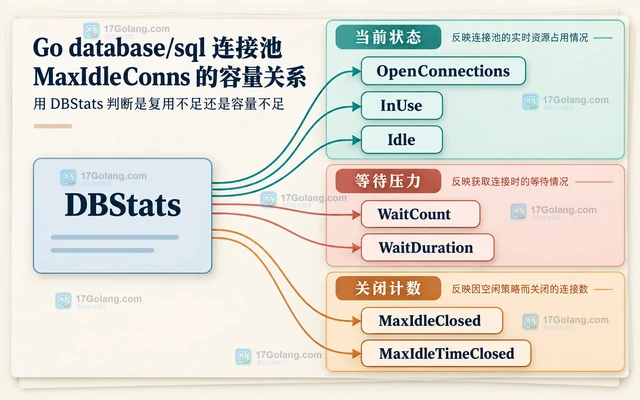
- Go database/sql 连接池 MaxIdleConns 的容量关系
- 478浏览 收藏
-
- Golang · Go问答 | 1天前 |
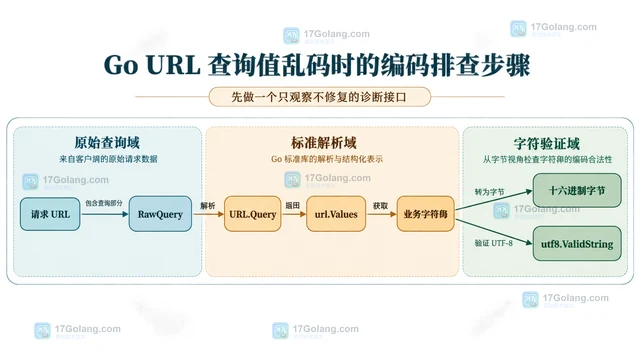
- Go URL 查询值乱码时的编码排查步骤
- 285浏览 收藏
-
- Golang · Go问答 | 1天前 | Go问答 · Go URL路径 url.JoinPath PathEscape 双斜杠
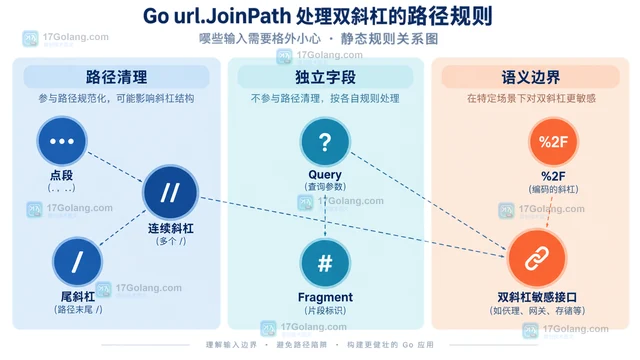
- Go url.JoinPath 处理双斜杠的路径规则
- 446浏览 收藏
-
- 前端进阶之JavaScript设计模式
- 设计模式是开发人员在软件开发过程中面临一般问题时的解决方案,代表了最佳的实践。本课程的主打内容包括JS常见设计模式以及具体应用场景,打造一站式知识长龙服务,适合有JS基础的同学学习。
- 543次学习
-

- GO语言核心编程课程
- 本课程采用真实案例,全面具体可落地,从理论到实践,一步一步将GO核心编程技术、编程思想、底层实现融会贯通,使学习者贴近时代脉搏,做IT互联网时代的弄潮儿。
- 516次学习
-

- 简单聊聊mysql8与网络通信
- 如有问题加微信:Le-studyg;在课程中,我们将首先介绍MySQL8的新特性,包括性能优化、安全增强、新数据类型等,帮助学生快速熟悉MySQL8的最新功能。接着,我们将深入解析MySQL的网络通信机制,包括协议、连接管理、数据传输等,让
- 500次学习
-

- JavaScript正则表达式基础与实战
- 在任何一门编程语言中,正则表达式,都是一项重要的知识,它提供了高效的字符串匹配与捕获机制,可以极大的简化程序设计。
- 487次学习
-

- 从零制作响应式网站—Grid布局
- 本系列教程将展示从零制作一个假想的网络科技公司官网,分为导航,轮播,关于我们,成功案例,服务流程,团队介绍,数据部分,公司动态,底部信息等内容区块。网站整体采用CSSGrid布局,支持响应式,有流畅过渡和展现动画。
- 485次学习
-
- PubMedQA
- 深入了解PubMedQA生物医学问答数据集,涵盖其核心功能、使用方法及在临床决策、药物研发等场景的应用,助力提升NLP模型性能。
- 278次使用
-
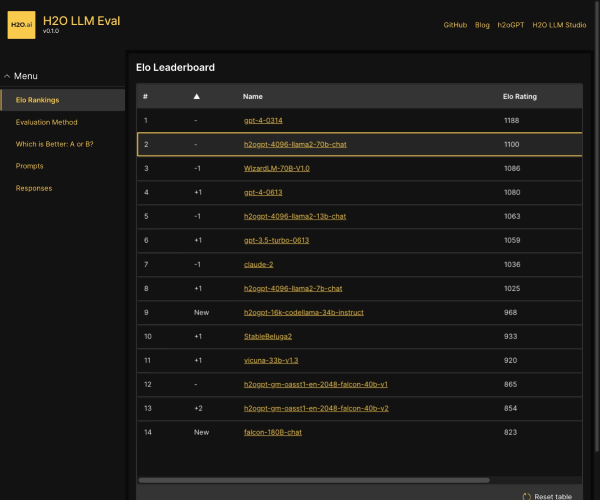
- H2O EvalGPT
- H2O EvalGPT是H2O.ai推出的开源LLM评估平台,提供详细的大模型性能排行榜、行业特定基准测试及A/B测试功能,助您快速选择最适合项目的高性能大语言模型。
- 332次使用
-

- LMArena
- LMArena是加州大学伯克利分校推出的AI模型匿名评测平台。通过盲测投票机制,用户可对比不同大模型回答并生成实时排行榜,助力开发者优化模型及用户选择最佳AI工具。
- 326次使用
-
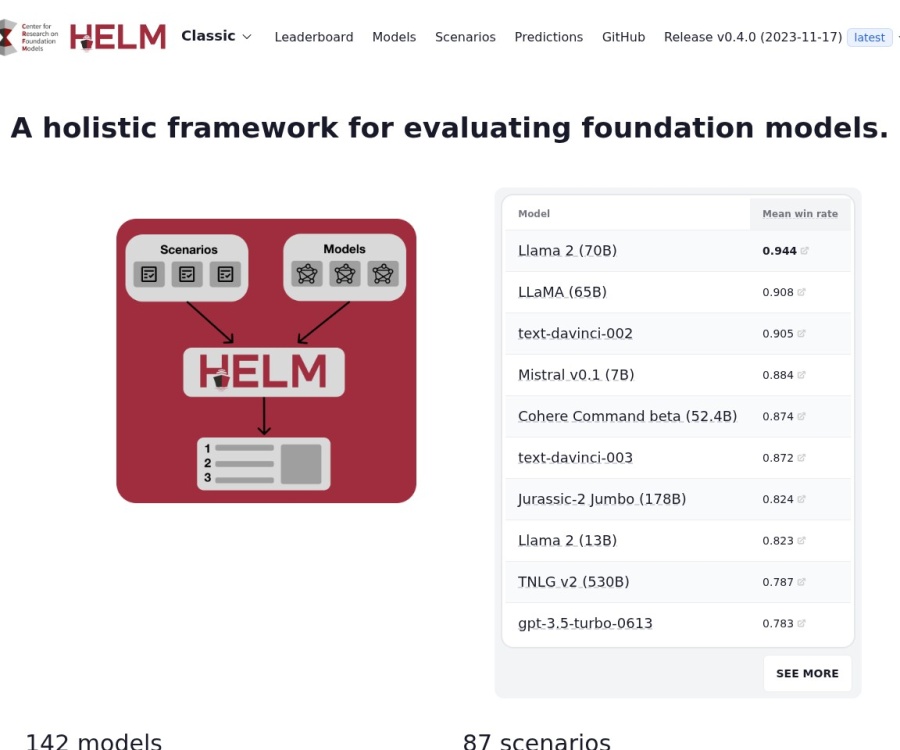
- HELM
- 深入了解斯坦福推出的HELM(Holistic Evaluation of Language Models)大模型评测体系。本文解析其核心功能、安装配置步骤及应用场景,涵盖准确性、公平性、鲁棒性等多维度指标,助力开发者全面优化语言模型性能。
- 297次使用
-

- MMBench
- MMBench是由上海人工智能实验室等机构联合推出的多模态基准测试平台,提供细粒度能力评估、大规模数据集及VLMEvalKit工具。本文详细介绍其核心功能、安装使用方法及应用场景,助力开发者全面评估多模态模型性能。
- 116次使用
-
- 用Nginx反向代理部署go写的网站。
- 2023-01-17 502浏览
-
- GoLand调式动态执行代码
- 2023-01-13 502浏览
-
- Go tls.GetCertificate 为什么收不到空 ServerName 请求
- 2026-09-27 501浏览
-
- Go sql.Tx提交成功前读取结果导致事务边界混乱的修复方法
- 2026-09-20 501浏览
-
- Go select 用 time.After 做超时有什么资源代价
- 2026-09-10 501浏览