
使用CLIP和LLM构建多模态RAG系统
从现在开始,我们要努力学习啦!今天我给大家带来《使用CLIP和LLM构建多模态RAG系统》,感兴趣的朋友请继续看下去吧!下文中的内容我们主要会涉及到等等知识点,如果在阅读本文过程中有遇到不清楚的地方,欢迎留言呀!我们一起讨论,一起学习!
我们将讨论使用开源的大型语言多模态模型(Large Language Multi-Modal)构建检索增强生成(RAG)系统的方法。我们的重点是在不依赖LangChain或LLlama index的情况下实现这一目标,以避免增加更多的框架依赖。

什么是RAG
在人工智能领域,检索增强生成(retrieve-augmented generation, RAG)技术的出现为大型语言模型(Large Language Models)带来了变革性的改进。RAG的本质是通过允许模型从外部源动态检索实时信息,从而增强人工智能的响应能力。这一技术的引入使得AI能够更加具体地回应用户需求。通过检索和融合外部源的信息,RAG能够生成更加准确、全面的回答,为用户提供更有价值的内容。这种能力的提升为人工智能的应用领域带来了更广阔的前景,包括智能客服、智能搜索和知识问答系统等。RAG的出现标志着语言模型的进一步发展,为人工智能带来了
该体系结构将动态检索过程与生成能力无缝结合,使得人工智能能够适应各个领域中不断变化的信息。与微调和再训练不同,RAG提供了一种经济高效的解决方案,允许人工智能在不改变整个模型的情况下获取最新和相关的信息。这种能力的结合使得RAG在应对变化快速的信息环境中具有优势。
RAG的作用
1、提高准确性和可靠性:
通过将大型语言模型(LLM)定向到可靠的知识来源,解决了其不可预测性的问题,降低了提供虚假或过时信息的风险,使反应更加准确可靠。
2、增加透明度和信任:
像LLM这样的生成式人工智能模型常常缺乏透明度,这导致人们难以相信其输出。RAG通过提供更大的控制权,解决了偏差、可靠性和遵从性方面的担忧。
3、减轻幻觉:
LLM容易产生幻觉反应——提供连贯但不准确或捏造的信息。而RAG则通过依靠权威来源确保响应,降低了关键部门误导性建议的风险。
4、具有成本效益的适应性:
RAG提供了一种经济有效的方法来提高AI输出,而不需要广泛的再训练/微调。可以通过根据需要动态获取特定细节来保持最新和相关的信息,确保人工智能对不断变化的信息的适应性。
多模式模态模型
多模态涉及有多个输入,并将其结合成单个输出,以CLIP为例:CLIP的训练数据是文本-图像对,通过对比学习,模型能够学习到文本-图像对的匹配关系。
该模型为表示相同事物的不同输入生成相同(非常相似)的嵌入向量。
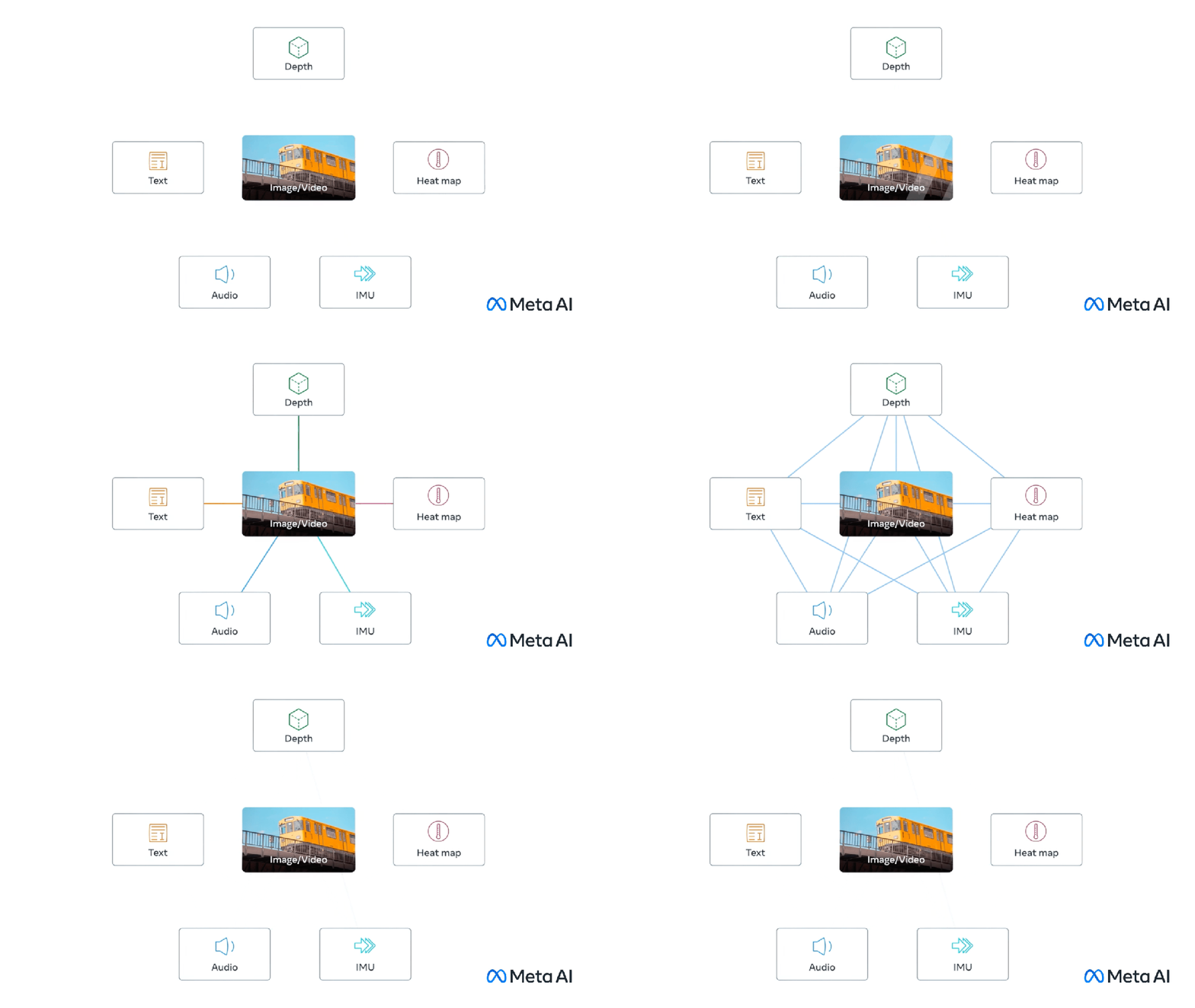
多模
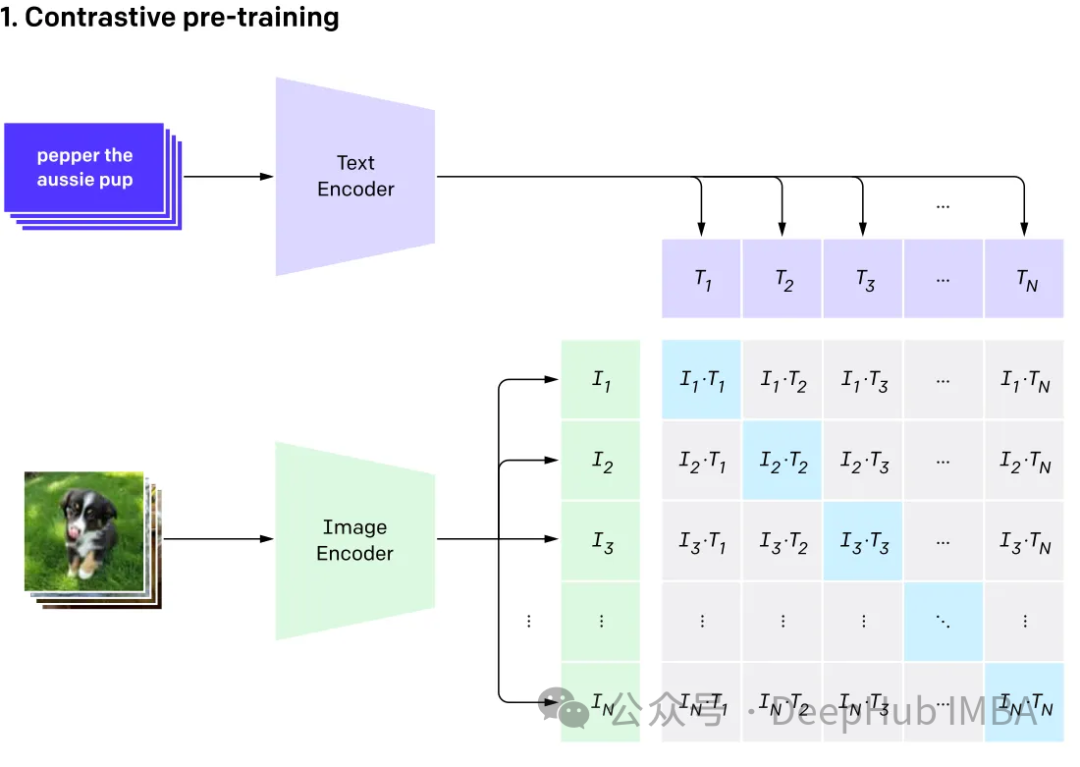
态大型语言(multi-modal large language)
GPT4v和Gemini vision就是探索集成了各种数据类型(包括图像、文本、语言、音频等)的多模态语言模型(MLLM)。虽然像GPT-3、BERT和RoBERTa这样的大型语言模型(llm)在基于文本的任务中表现出色,但它们在理解和处理其他数据类型方面面临挑战。为了解决这一限制,多模态模型结合了不同的模态,从而能够更全面地理解不同的数据。
多模态大语言模型它超越了传统的基于文本的方法。以GPT-4为例,这些模型可以无缝地处理各种数据类型,包括图像和文本,从而更全面地理解信息。
与RAG相结合
这里我们将使用Clip嵌入图像和文本,将这些嵌入存储在ChromDB矢量数据库中。然后将利用大模型根据检索到的信息参与用户聊天会话。
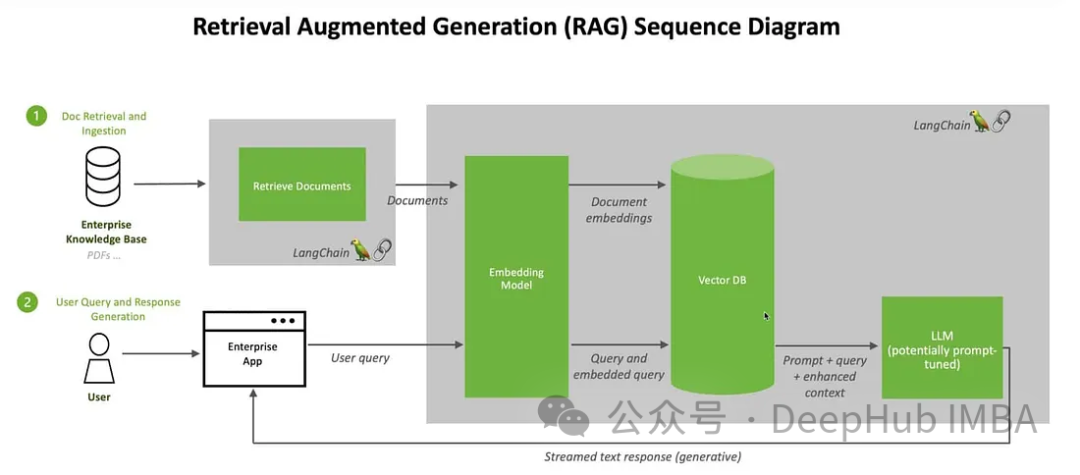
我们将使用来自Kaggle的图片和维基百科的信息来创建一个花卉专家聊天机器人
首先我们安装软件包:
! pip install -q timm einops wikipedia chromadb open_clip_torch !pip install -q transformers==4.36.0 !pip install -q bitsandbytes==0.41.3 accelerate==0.25.0
预处理数据的步骤很简单只是把图像和文本放在一个文件夹里
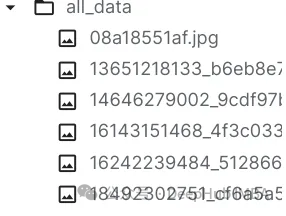
可以随意使用任何矢量数据库,这里我们使用ChromaDB。
import chromadb from chromadb.utils.embedding_functions import OpenCLIPEmbeddingFunction from chromadb.utils.data_loaders import ImageLoader from chromadb.config import Settings client = chromadb.PersistentClient(path="DB") embedding_function = OpenCLIPEmbeddingFunction() image_loader = ImageLoader() # must be if you reads from URIs
ChromaDB需要自定义嵌入函数
from chromadb import Documents, EmbeddingFunction, Embeddings class MyEmbeddingFunction(EmbeddingFunction):def __call__(self, input: Documents) -> Embeddings:# embed the documents somehow or imagesreturn embeddings
这里将创建2个集合,一个用于文本,另一个用于图像
collection_images = client.create_collection(name='multimodal_collection_images', embedding_functinotallow=embedding_function, data_loader=image_loader) collection_text = client.create_collection(name='multimodal_collection_text', embedding_functinotallow=embedding_function, ) # Get the Images IMAGE_FOLDER = '/kaggle/working/all_data' image_uris = sorted([os.path.join(IMAGE_FOLDER, image_name) for image_name in os.listdir(IMAGE_FOLDER) if not image_name.endswith('.txt')]) ids = [str(i) for i in range(len(image_uris))] collection_images.add(ids=ids, uris=image_uris) #now we have the images collection对于Clip,我们可以像这样使用文本检索图像
from matplotlib import pyplot as plt retrieved = collection_images.query(query_texts=["tulip"], include=['data'], n_results=3) for img in retrieved['data'][0]:plt.imshow(img)plt.axis("off")plt.show()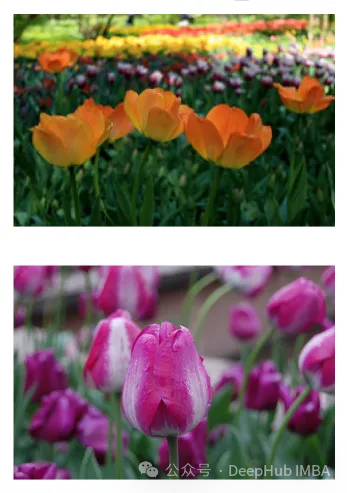
也可以使用图像检索相关的图像
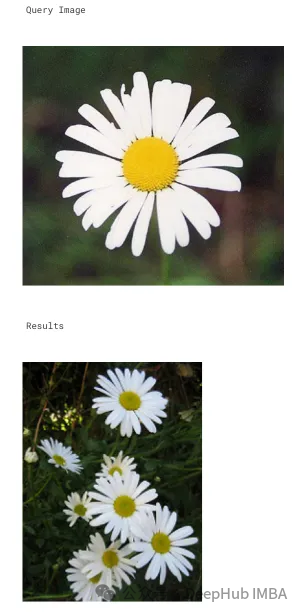
文本集合如下所示
# now the text DB from chromadb.utils import embedding_functions default_ef = embedding_functions.DefaultEmbeddingFunction() text_pth = sorted([os.path.join(IMAGE_FOLDER, image_name) for image_name in os.listdir(IMAGE_FOLDER) if image_name.endswith('.txt')]) list_of_text = [] for text in text_pth:with open(text, 'r') as f:text = f.read()list_of_text.append(text) ids_txt_list = ['id'+str(i) for i in range(len(list_of_text))] ids_txt_list collection_text.add(documents = list_of_text,ids =ids_txt_list )然后使用上面的文本集合获取嵌入
results = collection_text.query(query_texts=["What is the bellflower?"],n_results=1 ) results
结果如下:
{'ids': [['id0']],'distances': [[0.6072186183744086]],'metadatas': [[None]],'embeddings': None,'documents': [['Campanula () is the type genus of the Campanulaceae family of flowering plants. Campanula are commonly known as bellflowers and take both their common and scientific names from the bell-shaped flowers—campanula is Latin for "little bell".\nThe genus includes over 500 species and several subspecies, distributed across the temperate and subtropical regions of the Northern Hemisphere, with centers of diversity in the Mediterranean region, Balkans, Caucasus and mountains of western Asia. The range also extends into mountains in tropical regions of Asia and Africa.\nThe species include annual, biennial and perennial plants, and vary in habit from dwarf arctic and alpine species under 5 cm high, to large temperate grassland and woodland species growing to 2 metres (6 ft 7 in) tall.']],'uris': None,'data': None}或使用图片获取文本
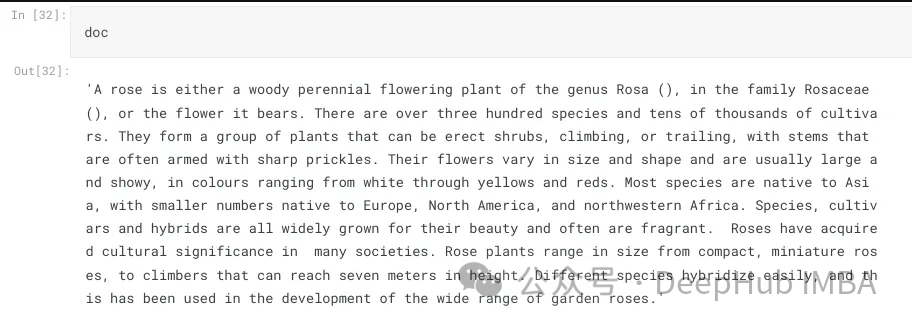
query_image = '/kaggle/input/flowers/flowers/rose/00f6e89a2f949f8165d5222955a5a37d.jpg' raw_image = Image.open(query_image) doc = collection_text.query(query_embeddings=embedding_function(query_image), n_results=1, )['documents'][0][0]
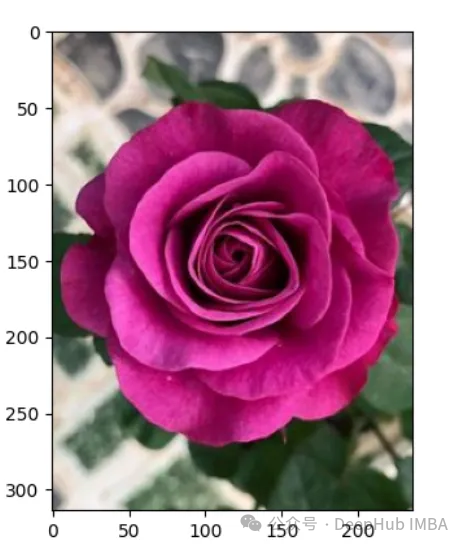
上图的结果如下:
A rose is either a woody perennial flowering plant of the genus Rosa (), in the family Rosaceae (), or the flower it bears. There are over three hundred species and tens of thousands of cultivars. They form a group of plants that can be erect shrubs, climbing, or trailing, with stems that are often armed with sharp prickles. Their flowers vary in size and shape and are usually large and showy, in colours ranging from white through yellows and reds. Most species are native to Asia, with smaller numbers native to Europe, North America, and northwestern Africa. Species, cultivars and hybrids are all widely grown for their beauty and often are fragrant. Roses have acquired cultural significance in many societies. Rose plants range in size from compact, miniature roses, to climbers that can reach seven meters in height. Different species hybridize easily, and this has been used in the development of the wide range of garden roses.
这样我们就完成了文本和图像的匹配工作,其实这里都是CLIP的工作,下面我们开始加入LLM。
from huggingface_hub import hf_hub_download hf_hub_download(repo_, filename="configuration_llava.py", local_dir="./", force_download=True) hf_hub_download(repo_, filename="configuration_phi.py", local_dir="./", force_download=True) hf_hub_download(repo_, filename="modeling_llava.py", local_dir="./", force_download=True) hf_hub_download(repo_, filename="modeling_phi.py", local_dir="./", force_download=True) hf_hub_download(repo_, filename="processing_llava.py", local_dir="./", force_download=True)
我们是用visheratin/LLaVA-3b
from modeling_llava import LlavaForConditionalGeneration import torch model = LlavaForConditionalGeneration.from_pretrained("visheratin/LLaVA-3b") model = model.to("cuda")加载tokenizer
from transformers import AutoTokenizer tokenizer = AutoTokenizer.from_pretrained("visheratin/LLaVA-3b")然后定义处理器,方便我们以后调用
from processing_llava import LlavaProcessor, OpenCLIPImageProcessor image_processor = OpenCLIPImageProcessor(model.config.preprocess_config) processor = LlavaProcessor(image_processor, tokenizer)
下面就可以直接使用了
question = 'Answer with organized answers: What type of rose is in the picture? Mention some of its characteristics and how to take care of it ?' query_image = '/kaggle/input/flowers/flowers/rose/00f6e89a2f949f8165d5222955a5a37d.jpg' raw_image = Image.open(query_image) doc = collection_text.query(query_embeddings=embedding_function(query_image), n_results=1, )['documents'][0][0] plt.imshow(raw_image) plt.show() imgs = collection_images.query(query_uris=query_image, include=['data'], n_results=3) for img in imgs['data'][0][1:]:plt.imshow(img)plt.axis("off")plt.show()得到的结果如下:
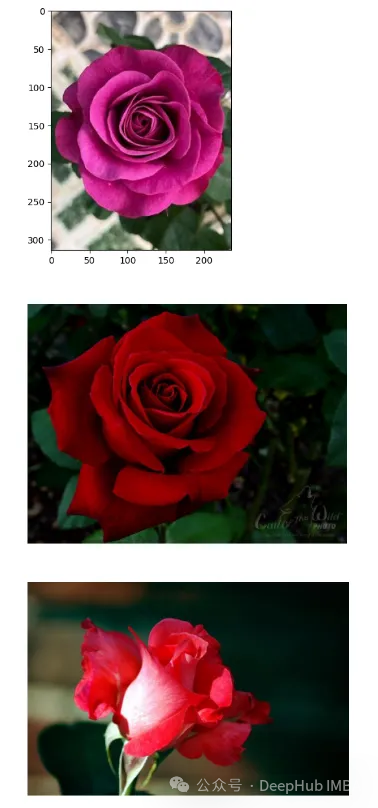
结果还包含了我们需要的大部分信息
这样我们整合就完成了,最后就是创建聊天模板,
prompt = """<|im_start|>system A chat between a curious human and an artificial intelligence assistant. The assistant is an exprt in flowers , and gives helpful, detailed, and polite answers to the human's questions. The assistant does not hallucinate and pays very close attention to the details.<|im_end|> <|im_start|>user{question} Use the following article as an answer source. Do not write outside its scope unless you find your answer better {article} if you thin your answer is better add it after document.<|im_end|> <|im_start|>assistant """.format(questinotallow='question', article=doc)
如何创建聊天过程我们这里就不详细介绍了,完整代码在这里:
https://github.com/nadsoft-opensource/RAG-with-open-source-multi-modal
今天关于《使用CLIP和LLM构建多模态RAG系统》的内容就介绍到这里了,是不是学起来一目了然!想要了解更多关于人工智能,RAG的内容请关注golang学习网公众号!
 win10英文键盘怎么添加
- 上一篇
- win10英文键盘怎么添加
- 下一篇
- windows10家庭版如何加入域
-
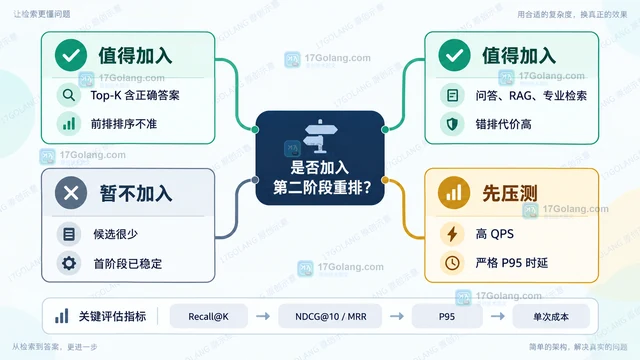
- 科技周边 · 人工智能 | 3小时前 | 人工智能 · rag · 语义检索重排器 第二阶段重排 Cross-Encoder Retrieve and Re-Rank Recall@K
- 语义检索重排器何时值得加入第二阶段
- 449浏览 收藏
-
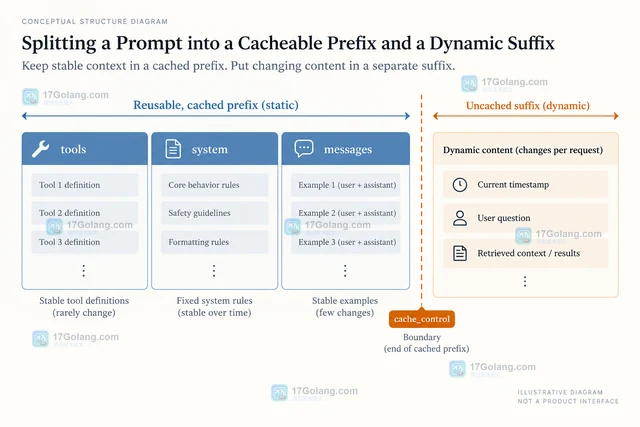
- 科技周边 · 人工智能 | 8小时前 | 缓存 · 人工智能 · 提示词工程 · 提示词缓存 cache_control Prompt Caching 静态前缀 cache_read_input_tokens
- 提示词缓存命中率低应如何划分静态前缀
- 453浏览 收藏
-
- 科技周边 · 人工智能 | 10小时前 |
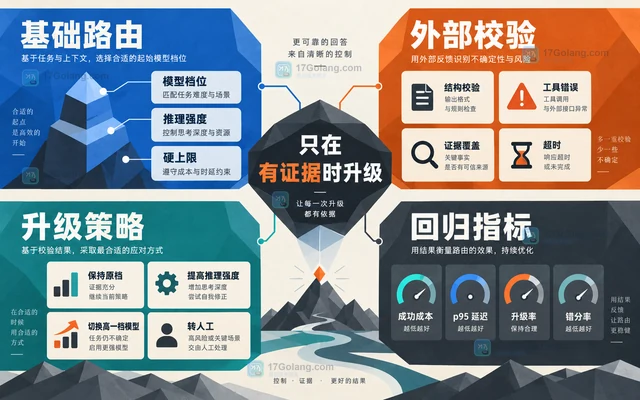
- 模型路由怎样按任务难度分配不同推理预算
- 232浏览 收藏
-
- 科技周边 · 人工智能 | 12小时前 |
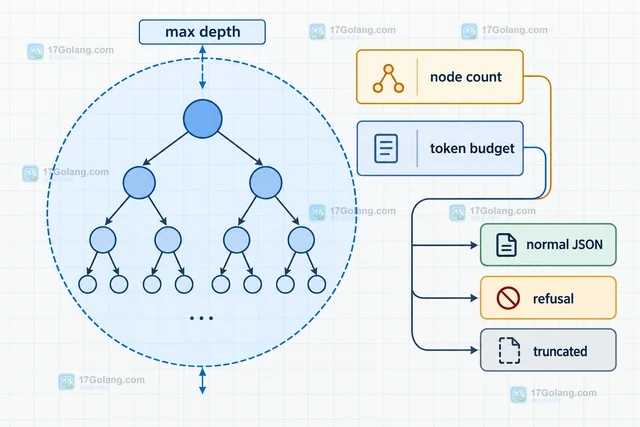
- 结构化输出遇到递归字段时怎样约束模式
- 215浏览 收藏
-
- 科技周边 · 人工智能 | 14小时前 | 人工智能 · 工具调用 ·
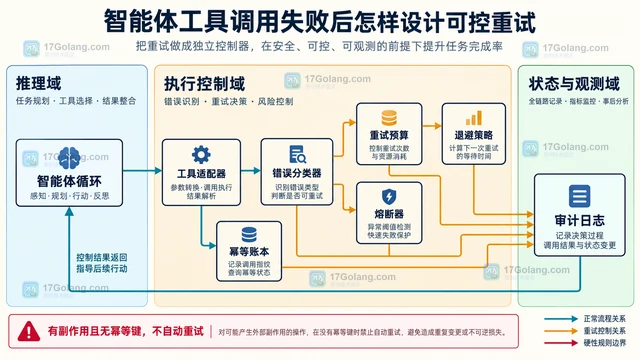
- 智能体工具调用失败后怎样设计可控重试
- 236浏览 收藏
-
- 科技周边 · 人工智能 | 17小时前 |
- 多模态模型输入图片过大时如何控制视觉令牌
- 196浏览 收藏
-

- 科技周边 · 人工智能 | 19小时前 |
- 推理服务连续批处理怎样减少 GPU 空转
- 404浏览 收藏
-
- 科技周边 · 人工智能 | 23小时前 | 人工智能 · LoRa PEFT merge_and_unload 量化推理 模型合并
- LoRA 合并权重后输出变化过大应检查什么
- 404浏览 收藏
-
- 科技周边 · 人工智能 | 1天前 |
- RAG 分块重叠过大为什么会降低检索多样性
- 409浏览 收藏
-
- 科技周边 · 人工智能 | 1天前 | 人工智能 ·
- 合成数据能否替代真实样本:覆盖率与偏差检查方法
- 128浏览 收藏
-

- 前端进阶之JavaScript设计模式
- 设计模式是开发人员在软件开发过程中面临一般问题时的解决方案,代表了最佳的实践。本课程的主打内容包括JS常见设计模式以及具体应用场景,打造一站式知识长龙服务,适合有JS基础的同学学习。
- 543次学习
-

- GO语言核心编程课程
- 本课程采用真实案例,全面具体可落地,从理论到实践,一步一步将GO核心编程技术、编程思想、底层实现融会贯通,使学习者贴近时代脉搏,做IT互联网时代的弄潮儿。
- 516次学习
-

- 简单聊聊mysql8与网络通信
- 如有问题加微信:Le-studyg;在课程中,我们将首先介绍MySQL8的新特性,包括性能优化、安全增强、新数据类型等,帮助学生快速熟悉MySQL8的最新功能。接着,我们将深入解析MySQL的网络通信机制,包括协议、连接管理、数据传输等,让
- 500次学习
-

- JavaScript正则表达式基础与实战
- 在任何一门编程语言中,正则表达式,都是一项重要的知识,它提供了高效的字符串匹配与捕获机制,可以极大的简化程序设计。
- 487次学习
-

- 从零制作响应式网站—Grid布局
- 本系列教程将展示从零制作一个假想的网络科技公司官网,分为导航,轮播,关于我们,成功案例,服务流程,团队介绍,数据部分,公司动态,底部信息等内容区块。网站整体采用CSSGrid布局,支持响应式,有流畅过渡和展现动画。
- 485次学习
-
- PubMedQA
- 深入了解PubMedQA生物医学问答数据集,涵盖其核心功能、使用方法及在临床决策、药物研发等场景的应用,助力提升NLP模型性能。
- 395次使用
-
- H2O EvalGPT
- H2O EvalGPT是H2O.ai推出的开源LLM评估平台,提供详细的大模型性能排行榜、行业特定基准测试及A/B测试功能,助您快速选择最适合项目的高性能大语言模型。
- 476次使用
-

- LMArena
- LMArena是加州大学伯克利分校推出的AI模型匿名评测平台。通过盲测投票机制,用户可对比不同大模型回答并生成实时排行榜,助力开发者优化模型及用户选择最佳AI工具。
- 482次使用
-
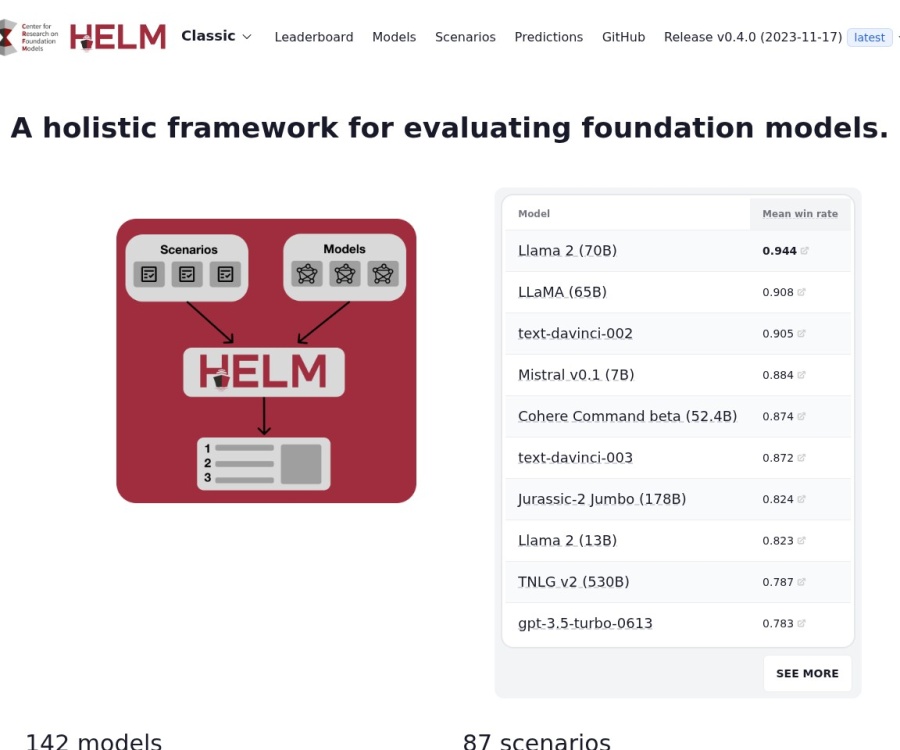
- HELM
- 深入了解斯坦福推出的HELM(Holistic Evaluation of Language Models)大模型评测体系。本文解析其核心功能、安装配置步骤及应用场景,涵盖准确性、公平性、鲁棒性等多维度指标,助力开发者全面优化语言模型性能。
- 426次使用
-

- MMBench
- MMBench是由上海人工智能实验室等机构联合推出的多模态基准测试平台,提供细粒度能力评估、大规模数据集及VLMEvalKit工具。本文详细介绍其核心功能、安装使用方法及应用场景,助力开发者全面评估多模态模型性能。
- 253次使用
-
- 本地大模型反复输出同一句话怎么调整生成参数
- 2026-09-06 501浏览
-
- Python 调用大模型时如何用结构化输出校验 JSON:从解析失败到可重试
- 2026-08-29 501浏览
-
- AI写作工具免费版安装教程(含豆包Clawdbot)
- 2026-05-30 501浏览
-
- WPS AI能自动生成PPT吗?输入主题一键制作演示文稿
- 2026-05-27 501浏览
-
- Canva手机闪退解决方法及适配指南
- 2026-05-25 501浏览