
Java 里用 Properties 读配置时,最容易踩的坑是把“键不存在”和“键存在但值为空”当成同一种情况。实际上,getProperty("timeout") 在键缺失时返回 null,而配置文件写成 timeout= 时返回的是空字符串。要判断键是否出现过,再补一次 containsKey 就能把这两个状态分开。
- 缺失键:
getProperty(key)返回null。 - 空字符串:键存在,返回值是
"",所以containsKey(key)为true。 - 默认值只在当前属性表和默认属性表都找不到键时生效,不会把显式空字符串替换掉。
先看三种配置状态的区别
下面这份配置故意保留一个没有填写内容的键,同时完全不写另一个键:
# application.properties
host=db.example.internal
port=
# timeout 没有这一行,表示键缺失读取后,host 是普通字符串,port 是空字符串,timeout 才是 null。空配置值不是 null,而是长度为 0 的字符串;这正是后续校验需要保留的区别。
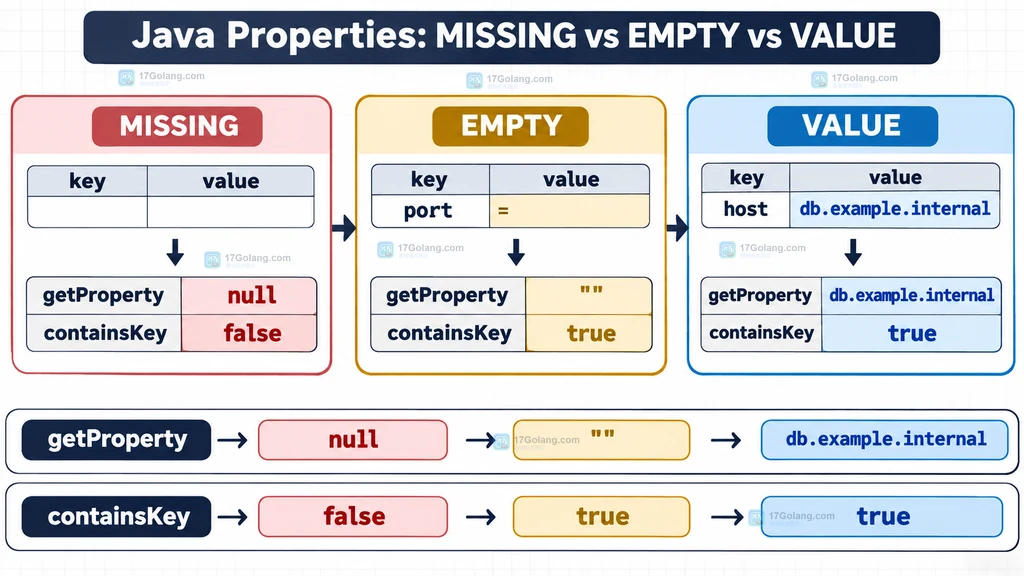
图1:示意图对比 Java Properties 的三种键值状态,以及两个方法各自回答的问题。
| 配置情况 | getProperty(key) | containsKey(key) | 含义 |
|---|---|---|---|
| 没有这一行 | null | false | 键缺失 |
port= | "" | true | 键存在,值为空 |
host=db.example.internal | "db.example.internal" | true | 键和值都存在 |
用 getProperty 和 containsKey 组合判断
最直观的写法是先读取值,再检查键。不要只写 value == null 就宣布配置无效,因为这只能说明当前查找没有得到字符串,不能表达“键存在但明确为空”的业务含义。
import java.util.Properties;

public class PropertiesStateCheck {
    public static void main(String[] args) {
        Properties properties = new Properties();
        // 模拟从 properties 文件加载后的三种状态:有值、空值、缺失。
        properties.setProperty("host", "db.example.internal");
        properties.setProperty("port", "");

        printState(properties, "host");
        printState(properties, "port");
        printState(properties, "timeout");
    }

    private static void printState(Properties properties, String key) {
        String value = properties.getProperty(key);
        boolean exists = properties.containsKey(key);

        // null 表示没有读到字符串;containsKey 才确认键是否实际出现。
        if (!exists) {
            System.out.println(key + ": missing");
        } else if (value.isEmpty()) {
            System.out.println(key + ": present-but-empty");
        } else {
            System.out.println(key + ": value=" + value);
        }
    }
}
这段判断的顺序很重要:先判断键是否存在,再调用 isEmpty()。如果先对缺失键返回的 null 调用 isEmpty(),就会触发 NullPointerException。
默认值只兜底缺失键
getProperty(key, defaultValue) 适合给缺失键提供兜底值,但它不会把显式空字符串当成缺失。下面的结果可以直接用于配置加载:
Properties properties = new Properties();
// 端口被显式配置为空,不能悄悄改成默认端口。
properties.setProperty("port", "");

String port = properties.getProperty("port", "3306");
String timeout = properties.getProperty("timeout", "30");

System.out.println("port=[" + port + "]");       // port=[]
System.out.println("timeout=[" + timeout + "]"); // timeout=[30]
因此,如果规则是“没配置就使用默认值,但配置为空要报错”,可以先读取,再分别判断:
String host = properties.getProperty("host");
// 必填配置必须同时满足:键存在,并且去掉首尾空白后仍有内容。
if (host == null) {
    throw new IllegalArgumentException("缺少 host 配置");
}
if (host.trim().isEmpty()) {
    throw new IllegalArgumentException("host 不能配置为空");
}
有默认 Properties 时要注意查找范围
Properties 可以带一张默认属性表。当前表找不到键时,getProperty 会继续查找默认表,所以“返回了一个值”不一定代表当前文件写了这一项。如果审计的是当前文件本身,应该配合当前对象的 containsKey 观察键是否直接存在。
Properties defaults = new Properties();
// 默认表只提供兜底值,不代表应用配置文件显式声明了 timeout。
defaults.setProperty("timeout", "30");

Properties properties = new Properties(defaults);
String value = properties.getProperty("timeout");
boolean declaredHere = properties.containsKey("timeout");

System.out.println("value=" + value);              // value=30
System.out.println("declaredHere=" + declaredHere); // declaredHere=false
这个场景可以拆成两个问题:运行时要不要拿到有效值,用 getProperty;配置文件是否明确声明,用当前表的 containsKey。如果还要区分默认表是否存在该键,则应继续检查默认表,而不是只看最终返回值。
配置校验时怎么选判断方式
| 需求 | 建议判断 | 原因 |
|---|---|---|
| 缺失就使用默认值 | getProperty(key, defaultValue) | 只对查找不到的键兜底 |
| 必须由当前配置文件声明 | containsKey(key) | 不把默认表的值算作当前文件配置 |
| 必须有非空内容 | 先判断 null,再判断空白 | 避免空值触发空指针,也能给出准确错误 |
| 允许显式空字符串 | containsKey 为真即可 | 把“清空配置”作为一种明确状态保留 |
常见问题
getProperty 返回空字符串时,containsKey 一定为真吗?
对正常由字符串键值组成的 Properties 来说是这样:空字符串也是一个已经存储的值,所以键存在。
能不能只用 getProperty(key) == null 判断缺失?
如果不使用默认属性表,这通常能判断“没有返回字符串”,但要表达完整状态仍建议同时使用 containsKey,尤其是要区分显式空值时。
读取到空白字符串要不要当成空值?
这取决于配置规则。Properties 会保留值中的字符;如果业务上不允许只有空格,应在读取后使用 trim().isEmpty() 或更明确的空白判断。
记住一句话:getProperty告诉你最终拿到了什么,containsKey告诉你当前属性表有没有这个键;两者组合起来,才能可靠地区分缺失、空字符串和正常值。
本文内容来源于互联网,如有侵权请联系删除。