OmniConsistency—新加坡国立大学推出图像风格迁移新模型
OmniConsistency 是新加坡国立大学开发的一款图像风格迁移模型,专注于解决复杂场景中风格化图像的一致性问题。该模型采用两阶段训练策略,将风格学习与一致性学习分离,确保在不同风格下保持语义、结构和细节的一致性。OmniConsistency 能够与任何特定风格的 LoRA 模块无缝集成,提供高效且灵活的风格化效果。在实验中,其性能与 GPT-4o 相当,并展示出更高的灵活性和泛化能力。
OmniConsistency Explained
OmniConsistency is an image style transfer model developed by the National University of Singapore. It addresses the issue of consistency in stylized images across complex scenes. The model is trained on large-scale paired stylized data using a two-stage training strategy that decouples style learning from consistency learning. This ensures semantic, structural, and detail consistency across various styles. OmniConsistency supports seamless integration with any style-specific LoRA module for efficient and flexible stylization effects. In experiments, it demonstrates performance comparable to GPT-4o, offering higher flexibility and generalization capabilities.
 Key Features of OmniConsistency
- Style Consistency: Maintains style consistency across multiple styles without style degradation.
- Content Consistency: Preserves the original image's semantics and details during stylization, ensuring content integrity.
- Style Agnosticism: Seamlessly integrates with any style-specific LoRA (Low-Rank Adaptation) modules, supporting diverse stylization tasks.
- Flexibility: Offers flexible layout control without relying on traditional geometric constraints like edge maps or sketches.
Technical Underpinnings of OmniConsistency
- Two-Stage Training Strategy: Stage one focuses on independent training of multiple style-specific LoRA modules to capture unique details of each style. Stage two trains a consistency module on paired data, dynamically switching between different style LoRA modules to ensure focus on structural and semantic consistency while avoiding absorption of specific style features.
- Consistency LoRA Module: Introduces low-rank adaptation (LoRA) modules within conditional branches, adjusting only the conditional branch without interfering with the main network's stylization ability. Uses causal attention mechanisms to ensure conditional tokens interact internally while keeping the main branch (noise and text tokens) clean for causal modeling.
- Condition Token Mapping (CTM): Guides high-resolution generation using low-resolution condition images, ensuring spatial alignment through mapping mechanisms, reducing memory and computational overhead.
- Feature Reuse: Caches intermediate features of conditional tokens during diffusion processes to avoid redundant calculations, enhancing inference efficiency.
- Data-Driven Consistency Learning: Constructs a high-quality paired dataset containing 2,600 pairs across 22 different styles, learning semantic and structural consistency mappings via data-driven approaches.
Project Links for OmniConsistency
- GitHub Repository: http://github.com/showlab/OmniConsistency
- HuggingFace Model Library: http://huggingface.co/showlab/OmniConsistency
- arXiv Technical Paper: http://arxiv.org/pdf/2505.18445
- Online Demo Experience: http://huggingface.co/spaces/yiren98/OmniConsistency
Practical Applications of OmniConsistency
- Art Creation: Applies various art styles such as anime, oil painting, and sketches to images, aiding artists in quickly generating stylized works.
- Content Generation: Rapidly generates images adhering to specific styles for content creation, enhancing diversity and appeal.
- Advertising Design: Creates visually appealing and brand-consistent images for advertisements and marketing materials.
- Game Development: Quickly produces stylized characters and environments for games, improving development efficiency.
- Virtual Reality (VR) and Augmented Reality (AR): Generates stylized virtual elements to enhance user experiences.
[Note: All images remain in their original format.]
今天关于《OmniConsistency—新加坡国立大学推出图像风格迁移新模型》的内容介绍就到此结束,如果有什么疑问或者建议,可以在golang学习网公众号下多多回复交流;文中若有不正之处,也希望回复留言以告知!
 苹果电脑hosts文件锁定,解锁修改攻略
- 上一篇
- 苹果电脑hosts文件锁定,解锁修改攻略

- 下一篇
- HTML进度动画实现:progress标签与CSS技巧
-
- 科技周边 · 人工智能 | 20小时前 |
- PEFT LoRA 的 lora_alpha 与 rank 比例配置方法
- 441浏览 收藏
-
- 科技周边 · 人工智能 | 20小时前 |
- MLflow 怎样记录模型签名和输入示例
- 428浏览 收藏
-
- 科技周边 · 人工智能 | 20小时前 |
- LlamaIndex CitationQueryEngine 怎样返回引用节点
- 111浏览 收藏
-
- 科技周边 · 人工智能 | 20小时前 | python · 人工智能 · LangChain RunnableBranch LCEL 输入路由
- LangChain RunnableBranch 怎样路由输入
- 160浏览 收藏
-
- 科技周边 · 人工智能 | 20小时前 |
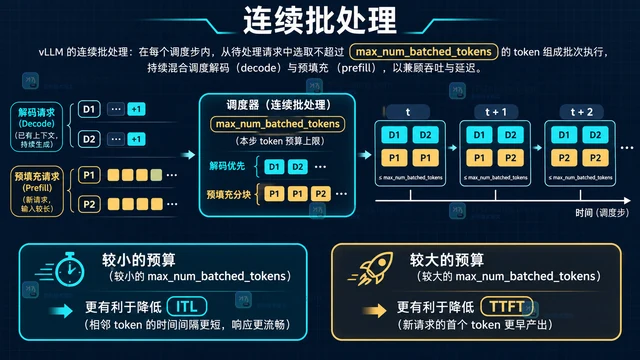
- vLLM 怎样配置连续批处理最大 token
- 408浏览 收藏
-
- 科技周边 · 人工智能 | 20小时前 |
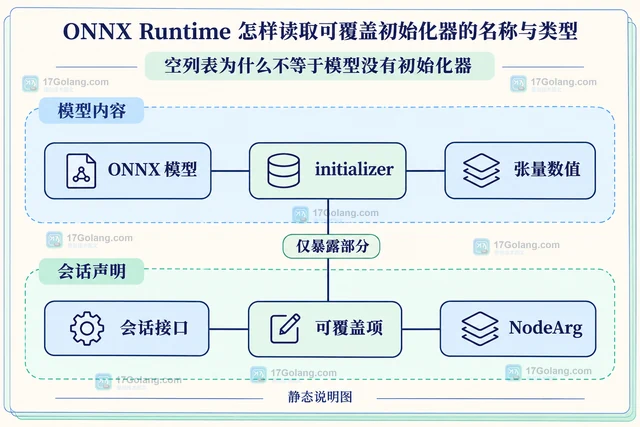
- ONNX Runtime 怎样读取可覆盖初始化器的名称与类型
- 259浏览 收藏
-
- 科技周边 · 人工智能 | 21小时前 |
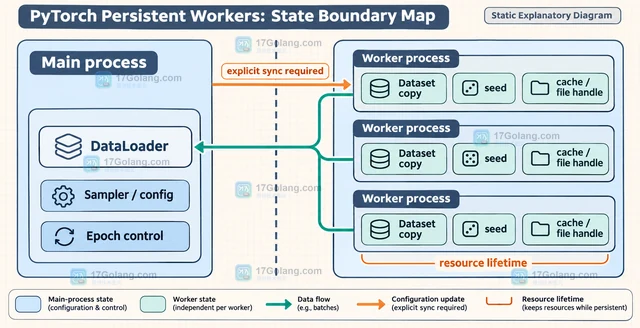
- PyTorch DataLoader 怎样复用持久 worker
- 440浏览 收藏
-
- 科技周边 · 人工智能 | 21小时前 |
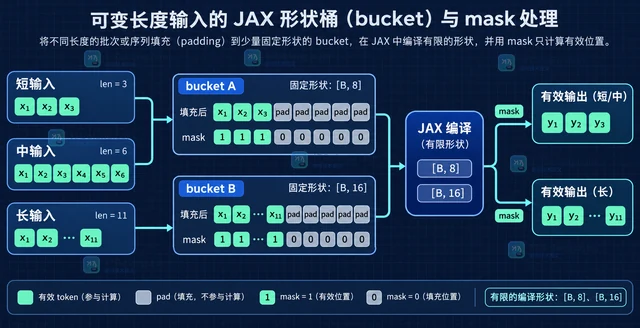
- JAX jit 怎样减少动态形状导致的重复编译
- 177浏览 收藏
-
- 科技周边 · 人工智能 | 21小时前 |
- OpenAI Responses API 怎样读取 reasoning summary
- 123浏览 收藏
-
- 科技周边 · 人工智能 | 21小时前 | 人工智能 · 显存 pipeline Transformers batch_size 批处理推理
- Transformers pipeline 怎样按批次处理文本并控制显存
- 218浏览 收藏
-
- 科技周边 · 人工智能 | 21小时前 |
- Transformers decode 怎样关闭空格清理以保留解码文本
- 435浏览 收藏
-

- 前端进阶之JavaScript设计模式
- 设计模式是开发人员在软件开发过程中面临一般问题时的解决方案,代表了最佳的实践。本课程的主打内容包括JS常见设计模式以及具体应用场景,打造一站式知识长龙服务,适合有JS基础的同学学习。
- 543次学习
-

- GO语言核心编程课程
- 本课程采用真实案例,全面具体可落地,从理论到实践,一步一步将GO核心编程技术、编程思想、底层实现融会贯通,使学习者贴近时代脉搏,做IT互联网时代的弄潮儿。
- 516次学习
-

- 简单聊聊mysql8与网络通信
- 如有问题加微信:Le-studyg;在课程中,我们将首先介绍MySQL8的新特性,包括性能优化、安全增强、新数据类型等,帮助学生快速熟悉MySQL8的最新功能。接着,我们将深入解析MySQL的网络通信机制,包括协议、连接管理、数据传输等,让
- 500次学习
-
- JavaScript正则表达式基础与实战
- 在任何一门编程语言中,正则表达式,都是一项重要的知识,它提供了高效的字符串匹配与捕获机制,可以极大的简化程序设计。
- 487次学习
-

- 从零制作响应式网站—Grid布局
- 本系列教程将展示从零制作一个假想的网络科技公司官网,分为导航,轮播,关于我们,成功案例,服务流程,团队介绍,数据部分,公司动态,底部信息等内容区块。网站整体采用CSSGrid布局,支持响应式,有流畅过渡和展现动画。
- 485次学习
-
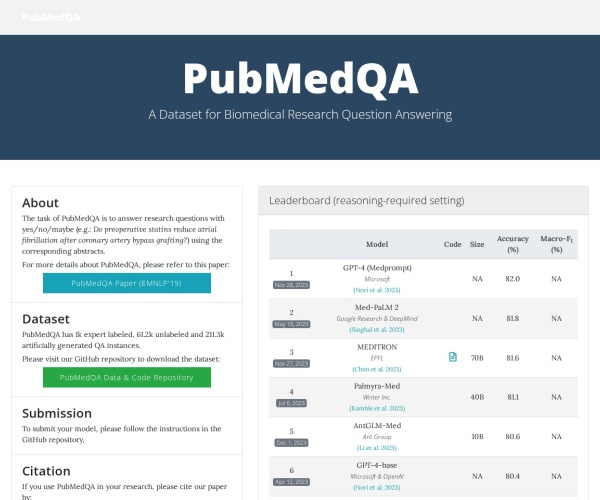
- PubMedQA
- 深入了解PubMedQA生物医学问答数据集,涵盖其核心功能、使用方法及在临床决策、药物研发等场景的应用,助力提升NLP模型性能。
- 924次使用
-
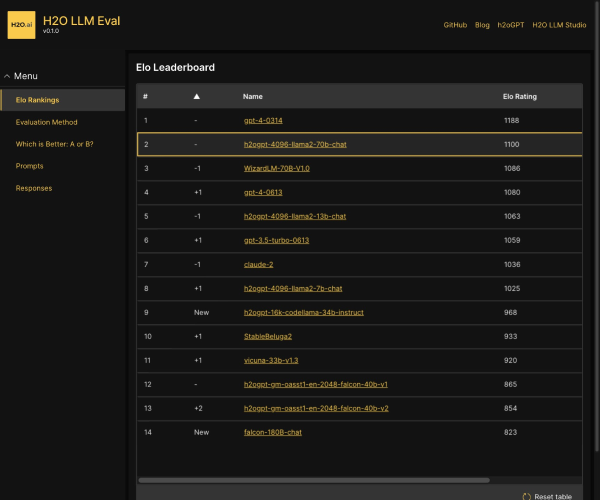
- H2O EvalGPT
- H2O EvalGPT是H2O.ai推出的开源LLM评估平台,提供详细的大模型性能排行榜、行业特定基准测试及A/B测试功能,助您快速选择最适合项目的高性能大语言模型。
- 931次使用
-

- LMArena
- LMArena是加州大学伯克利分校推出的AI模型匿名评测平台。通过盲测投票机制,用户可对比不同大模型回答并生成实时排行榜,助力开发者优化模型及用户选择最佳AI工具。
- 1030次使用
-
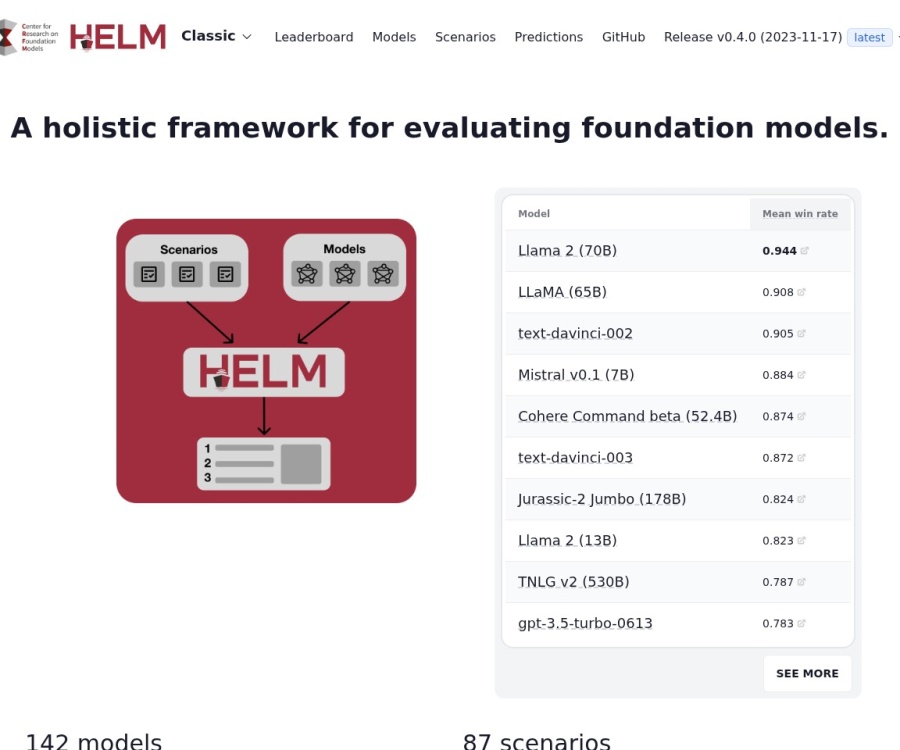
- HELM
- 深入了解斯坦福推出的HELM(Holistic Evaluation of Language Models)大模型评测体系。本文解析其核心功能、安装配置步骤及应用场景,涵盖准确性、公平性、鲁棒性等多维度指标,助力开发者全面优化语言模型性能。
- 1009次使用
-

- MMBench
- MMBench是由上海人工智能实验室等机构联合推出的多模态基准测试平台,提供细粒度能力评估、大规模数据集及VLMEvalKit工具。本文详细介绍其核心功能、安装使用方法及应用场景,助力开发者全面评估多模态模型性能。
- 840次使用
-
- 量化模型本地推理的显存估算方法
- 2026-10-17 501浏览
-
- 本地大模型反复输出同一句话怎么调整生成参数
- 2026-09-06 501浏览
-
- Python 调用大模型时如何用结构化输出校验 JSON:从解析失败到可重试
- 2026-08-29 501浏览
-
- AI写作工具免费版安装教程(含豆包Clawdbot)
- 2026-05-30 501浏览
-
- WPS AI能自动生成PPT吗?输入主题一键制作演示文稿
- 2026-05-27 501浏览