
解决具有两个 Nix Flake 设置的“路径 <...> 无效”问题
**文章摘要** 在使用 Nix Flake 构建包含主应用程序和插件的设置时,可能会遇到“路径无效”错误。这是因为插件中生成的文件包含 Nix 存储路径,违反了供应商派生的依赖限制。要解决此问题,需要将插件源代码复制到一个中间派生中,这样 replace 路径就可以是相对的,从而避免引用其他 Nix 存储路径。
我有两个 nix flakes:一个包含一个应用程序,另一个包含该应用程序的插件。当我使用插件构建应用程序时,出现错误
error: path '/nix/store/3b7djb5pr87zbscggsr7vnkriw3yp21x-mainapp-go-modules' is not valid
我不知道这个错误意味着什么以及如何修复它,但我可以在 macos 和 linux 上重现它。问题路径是第一步buildgomodule生成的vendor目录。
重现错误的最小设置需要一堆文件,因此我提供了一个带注释的 bash 脚本,您可以在空文件夹中执行该脚本来重新创建我的设置:
#!/bin/bash # i have two flakes: the main application and a plugin. # the mainapp needs to be inside the plugin directory # so that nix doesn't complain about the path:mainapp # reference being outside the parent's root. mkdir -p plugin/mainapp # each is a go module with minimal setup tee plugin/mainapp/go.mod </dev/null module example.com/mainapp go 1.16 eof tee plugin/go.mod < /dev/null module example.com/plugin go 1.16 eof # each contain minimal go code tee plugin/mainapp/main.go < /dev/null package main import "fmt" func main() { fmt.println("hello, world!") } eof tee plugin/main.go < /dev/null package plugin import log func init() { fmt.println("initializing plugin") } eof # the mainapp is a flake that provides a function for building # the app, as well as a default package that is the app # without any plugins. tee plugin/mainapp/flake.nix <<'eof' >/dev/null { description = "main application"; inputs = { nixpkgs.url = github:nixos/nixpkgs/nixos-21.11; flake-utils.url = github:numtide/flake-utils; }; outputs = {self, nixpkgs, flake-utils}: let # buildapp builds the application from a list of plugins. # plugins cause the vendorsha256 to change, hence it is # given as additional parameter. buildapp = { pkgs, vendorsha256, plugins ? [] }: let # this is appended to the mainapp's go.mod so that it # knows about the plugin and where to find it. requireplugin = plugin: '' require ${plugin.goplugin.gomodname} v0.0.0 replace ${plugin.goplugin.gomodname} => ${plugin.outpath}/src ''; # since buildgomodule consumes the source two times – # first for vendoring, and then for building – # we do the necessary modifications to the sources in an # own derivation and then hand that to buildgomodule. sources = pkgs.stdenvnocc.mkderivation { name = "mainapp-with-plugins-source"; src = self; phases = [ "unpackphase" "buildphase" "installphase" ]; # write a plugins.go file that references the plugin's package via # _ = " " plugins_go = '' package main // code generated by nix. do not edit. import ( ${builtins.foldl' (a: b: a + "\n\t_ = \"${b.goplugin.gomodname}\"") "" plugins} ) ''; go_mod_append = builtins.foldl' (a: b: a + "${requireplugin b}\n") "" plugins; buildphase = '' printenv plugins_go >plugins.go printenv go_mod_append >>go.mod ''; installphase = '' mkdir -p $out cp -r -t $out * ''; }; in pkgs.buildgomodule { name = "mainapp"; src = builtins.trace "sources at ${sources}" sources; inherit vendorsha256; nativebuildinputs = plugins; }; in (flake-utils.lib.eachdefaultsystem (system: let pkgs = nixpkgs.legacypackages.${system}; in rec { defaultpackage = buildapp { inherit pkgs; # this may be different depending on your nixpkgs; if it is, just change it. vendorsha256 = "sha256-pqpattms9vmo3ziqufn66az8gsmb4ivyhttcfn6sumo="; }; } )) // { lib = { inherit buildapp; # helper that parses a go.mod file for the module's name pluginmetadata = gomodfile: { gomodname = with builtins; head (match "module ([^[:space:]]+).*" (readfile gomodfile)); }; }; }; } eof # the plugin is a flake depending on the mainapp that outputs a plugin package, # and also a package that is the mainapp compiled with this plugin. tee plugin/flake.nix <<'eof' >/dev/null { description = "mainapp plugin"; inputs = { nixpkgs.url = github:nixos/nixpkgs/nixos-21.11; flake-utils.url = github:numtide/flake-utils; nix-filter.url = github:numtide/nix-filter; mainapp.url = path:mainapp; mainapp.inputs = { nixpkgs.follows = "nixpkgs"; flake-utils.follows = "flake-utils"; }; }; outputs = {self, nixpkgs, flake-utils, nix-filter, mainapp}: flake-utils.lib.eachdefaultsystem (system: let pkgs = nixpkgs.legacypackages.${system}; in rec { packages = rec { plugin = pkgs.stdenvnocc.mkderivation { pname = "mainapp-plugin"; version = "0.1.0"; src = nix-filter.lib.filter { root = ./.; exclude = [ ./mainapp ./flake.nix ./flake.lock ]; }; # needed for mainapp to recognize this as plugin passthru.goplugin = mainapp.lib.pluginmetadata ./go.mod; phases = [ "unpackphase" "installphase" ]; installphase = '' mkdir -p $out/src cp -r -t $out/src * ''; }; app = mainapp.lib.buildapp { inherit pkgs; # this may be different depending on your nixpkgs; if it is, just change it. vendorsha256 = "sha256-a6hfgfs1bu9ekxwi+dxh5qy2kbcdpzgp7wx6byai4hw="; plugins = [ plugin ]; }; }; defaultpackage = packages.app; } ); } eof
您需要安装具有 flake 支持的 nix 才能重现该错误。
在该脚本创建的plugin文件夹中,执行
$ nix build
trace: sources at /nix/store/d5arinbiaspyjjc4ypk4h5dsjx22pcsf-mainapp-with-plugins-source
error: path '/nix/store/3b7djb5pr87zbscggsr7vnkriw3yp21x-mainapp-go-modules' is not valid
(如果散列不匹配,只需使用正确的散列更新薄片即可;我不太确定在存储库之外传播薄片时的散列是否可重现。)
源目录(由跟踪显示)确实存在并且看起来没问题。错误消息中给出的路径也存在,并且包含具有预期内容的 modules.txt。
在文件夹 mainapp 中,nix build 确实运行成功,这会在没有插件的情况下构建应用程序。那么我对使路径无效的插件做了什么?
正确答案
原因是,在这种情况下,作为供应商的一部分生成的文件 modules.txt 将在 replace 指令中包含 nix 存储路径。 vendor 目录是固定输出派生,因此不得依赖于任何其他派生。 modules.txt 中的引用违反了这一点。
这只能通过将插件的源代码复制到 sources 派生中来修复 - 这样,replace 路径可以是相对的,因此不会引用其他 nix 存储路径。
本篇关于《解决具有两个 Nix Flake 设置的“路径 <...> 无效”问题》的介绍就到此结束啦,但是学无止境,想要了解学习更多关于Golang的相关知识,请关注golang学习网公众号!
 增量器失灵
增量器失灵 
-
- Golang · Go问答 | 10分钟前 | go · RGBA image ColorModel At
- Go image 怎样读取不同颜色模型的像素
- 291浏览 收藏
-
- Golang · Go问答 | 13分钟前 |
- Go 怎样把 pprof 挂到独立 ServeMux
- 491浏览 收藏
-
- Golang · Go问答 | 13分钟前 |
- Go embed FS 打开不存在资源时怎样保留错误上下文
- 141浏览 收藏
-
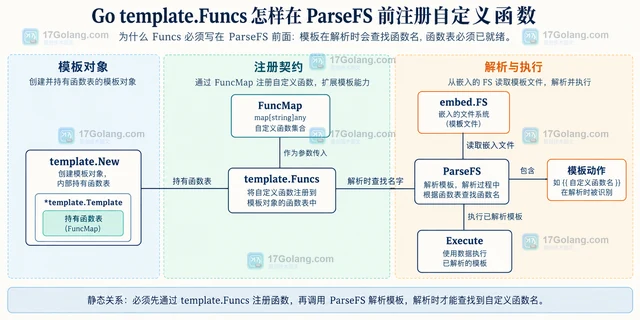
- Golang · Go问答 | 20分钟前 |
- Go template.Funcs 怎样在 ParseFS 前注册自定义函数
- 406浏览 收藏
-
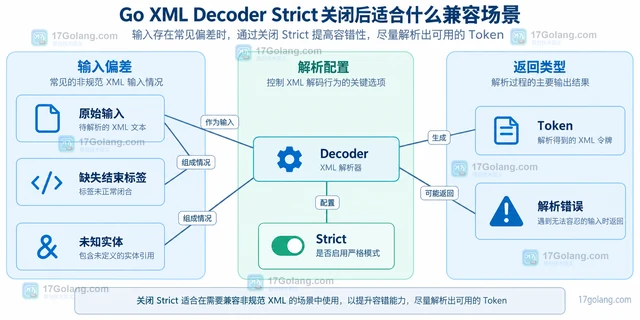
- Golang · Go问答 | 21分钟前 |
- Go XML Decoder Strict 关闭后适合什么兼容场景
- 412浏览 收藏
-
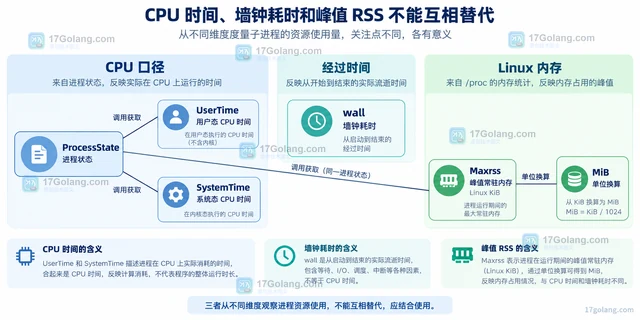
- Golang · Go问答 | 29分钟前 |
- Go 怎样读取子进程资源使用量
- 373浏览 收藏
-
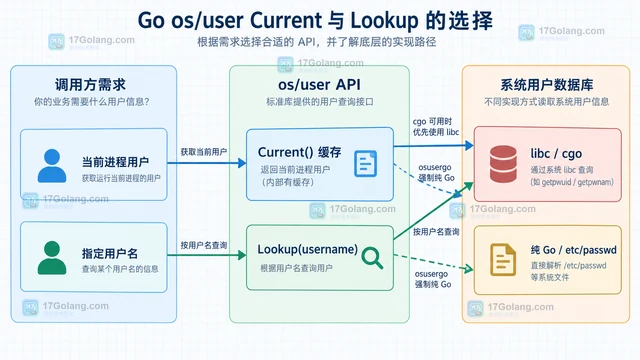
- Golang · Go问答 | 30分钟前 |
- Go os/user Current 和 Lookup 怎样选择
- 171浏览 收藏
-
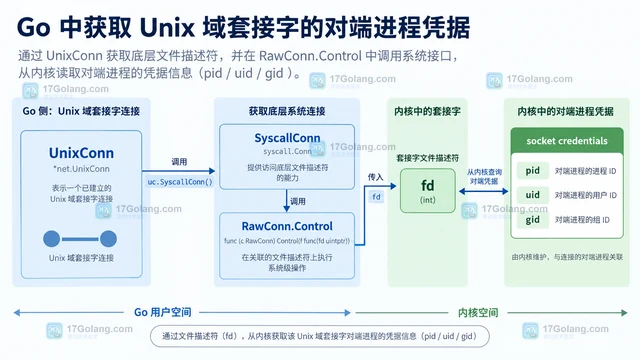
- Golang · Go问答 | 33分钟前 | 权限 · Go问答 · Go Unix Socket UnixConn 对端凭据 SO_PEERCRED x/sys/unix
- Go Unix socket 怎样读取对端凭据
- 302浏览 收藏
-
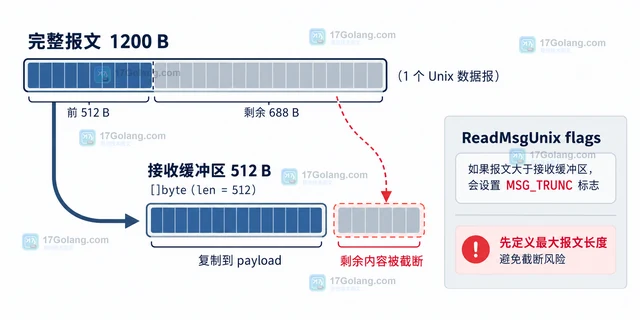
- Golang · Go问答 | 35分钟前 |
- Go Unix 数据报套接字怎样处理报文边界
- 336浏览 收藏
-
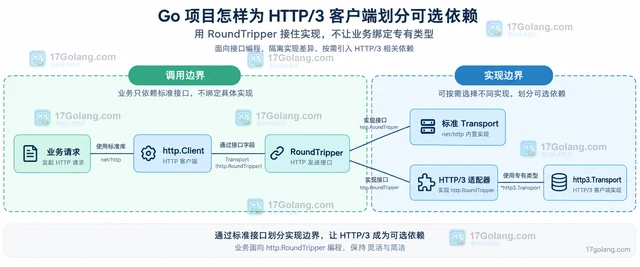
- Golang · Go问答 | 37分钟前 |
- Go 项目怎样为 HTTP/3 客户端划分可选依赖
- 471浏览 收藏
-
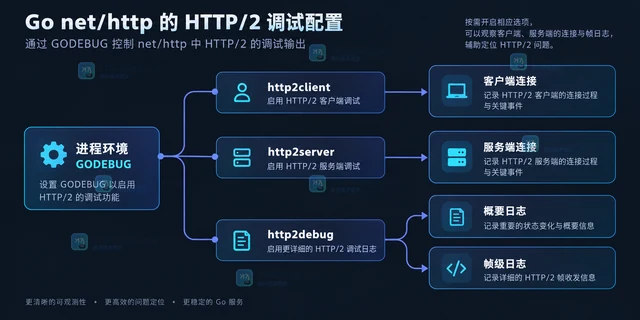
- Golang · Go问答 | 39分钟前 |
- Go HTTP/2 异常怎样用 GODEBUG 获取线索
- 366浏览 收藏
-
- 前端进阶之JavaScript设计模式
- 设计模式是开发人员在软件开发过程中面临一般问题时的解决方案,代表了最佳的实践。本课程的主打内容包括JS常见设计模式以及具体应用场景,打造一站式知识长龙服务,适合有JS基础的同学学习。
- 543次学习
-

- GO语言核心编程课程
- 本课程采用真实案例,全面具体可落地,从理论到实践,一步一步将GO核心编程技术、编程思想、底层实现融会贯通,使学习者贴近时代脉搏,做IT互联网时代的弄潮儿。
- 516次学习
-

- 简单聊聊mysql8与网络通信
- 如有问题加微信:Le-studyg;在课程中,我们将首先介绍MySQL8的新特性,包括性能优化、安全增强、新数据类型等,帮助学生快速熟悉MySQL8的最新功能。接着,我们将深入解析MySQL的网络通信机制,包括协议、连接管理、数据传输等,让
- 500次学习
-
- JavaScript正则表达式基础与实战
- 在任何一门编程语言中,正则表达式,都是一项重要的知识,它提供了高效的字符串匹配与捕获机制,可以极大的简化程序设计。
- 487次学习
-

- 从零制作响应式网站—Grid布局
- 本系列教程将展示从零制作一个假想的网络科技公司官网,分为导航,轮播,关于我们,成功案例,服务流程,团队介绍,数据部分,公司动态,底部信息等内容区块。网站整体采用CSSGrid布局,支持响应式,有流畅过渡和展现动画。
- 485次学习
-

- PubMedQA
- 深入了解PubMedQA生物医学问答数据集,涵盖其核心功能、使用方法及在临床决策、药物研发等场景的应用,助力提升NLP模型性能。
- 474次使用
-
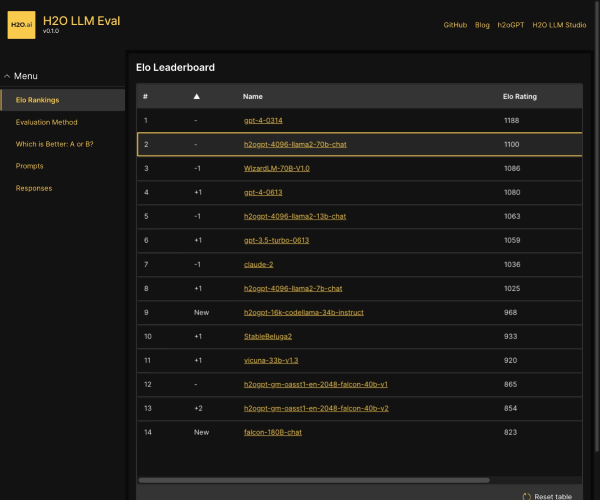
- H2O EvalGPT
- H2O EvalGPT是H2O.ai推出的开源LLM评估平台,提供详细的大模型性能排行榜、行业特定基准测试及A/B测试功能,助您快速选择最适合项目的高性能大语言模型。
- 532次使用
-

- LMArena
- LMArena是加州大学伯克利分校推出的AI模型匿名评测平台。通过盲测投票机制,用户可对比不同大模型回答并生成实时排行榜,助力开发者优化模型及用户选择最佳AI工具。
- 551次使用
-
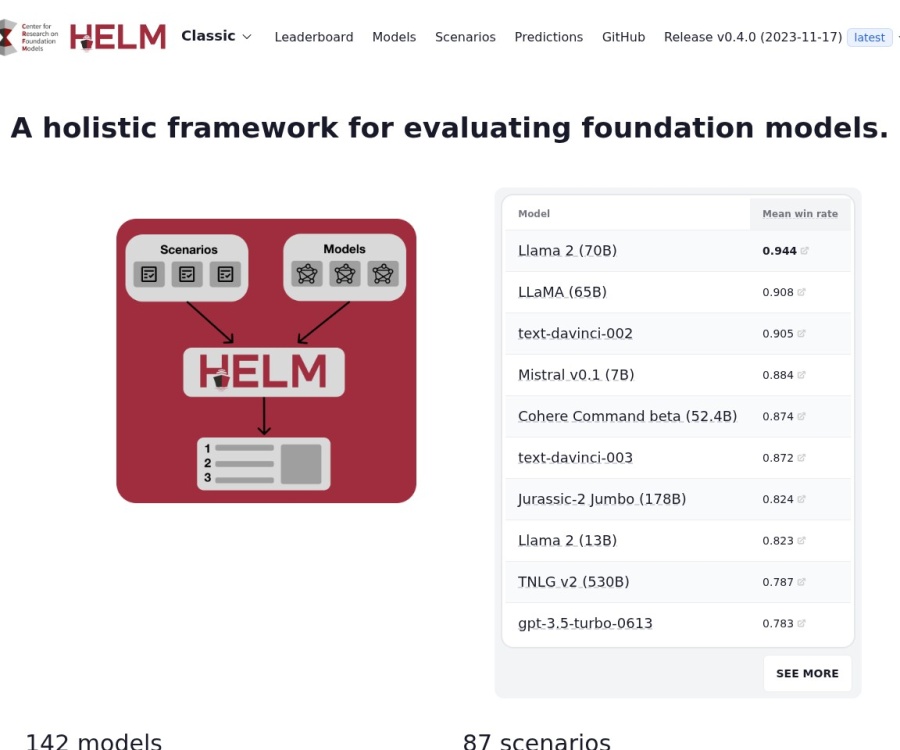
- HELM
- 深入了解斯坦福推出的HELM(Holistic Evaluation of Language Models)大模型评测体系。本文解析其核心功能、安装配置步骤及应用场景,涵盖准确性、公平性、鲁棒性等多维度指标,助力开发者全面优化语言模型性能。
- 503次使用
-

- MMBench
- MMBench是由上海人工智能实验室等机构联合推出的多模态基准测试平台,提供细粒度能力评估、大规模数据集及VLMEvalKit工具。本文详细介绍其核心功能、安装使用方法及应用场景,助力开发者全面评估多模态模型性能。
- 324次使用
-
- 用Nginx反向代理部署go写的网站。
- 2023-01-17 502浏览
-
- GoLand调式动态执行代码
- 2023-01-13 502浏览
-
- Go crypto/rand.Text 的长度为什么不是固定字符数
- 2026-10-04 501浏览
-
- Go strings.ToValidUTF8 清洗日志内容的边界
- 2026-10-03 501浏览
-
- Go tls.GetCertificate 为什么收不到空 ServerName 请求
- 2026-09-27 501浏览