使用 Golang 客户端库向 GCP 计算批量发出请求
来源:stackoverflow
2024-03-09 10:27:24
0浏览
收藏
小伙伴们对Golang编程感兴趣吗?是否正在学习相关知识点?如果是,那么本文《使用 Golang 客户端库向 GCP 计算批量发出请求》,就很适合你,本篇文章讲解的知识点主要包括。在之后的文章中也会多多分享相关知识点,希望对大家的知识积累有所帮助!
问题内容
是否可以使用 Go 的 Google API 客户端库执行批量请求?
更准确地说,我想删除一些磁盘;如果我可以避免对每个磁盘的请求,那就太好了。
我指的是批量请求功能: https://cloud.google.com/compute/docs/api/how-tos/batch
我正在使用的客户端库: https://github.com/googleapis/google-api-go-client
似乎还有另一个客户端库,但不支持计算引擎,只有元数据(?): https://github.com/GoogleCloudPlatform/google-cloud-go
解决方案
我不确定,但我认为这是可以完成的,因为我们可以使用 api 调用删除磁盘。 批量请求由多个api调用组合成一个http请求,可以发送到API discovery document中指定的batchpath。默认路径为/batch/api_name/api_version。
// method id "compute.disks.delete":

type DisksDeleteCall struct {
    s          *Service
    project    string
    zone       string
    disk       string
    urlParams_ gensupport.URLParams
    ctx_       context.Context
    header_    http.Header
}

// Delete: Deletes the specified persistent disk. Deleting a disk
// removes its data permanently and is irreversible. However, deleting a
// disk does not delete any snapshots previously made from the disk. You
// must separately delete snapshots.
// For details, see https://cloud.google.com/compute/docs/reference/latest/disks/delete
func (r *DisksService) Delete(project string, zone string, disk string) *DisksDeleteCall {
    c := &DisksDeleteCall{s: r.s, urlParams_: make(gensupport.URLParams)}
    c.project = project
    c.zone = zone
    c.disk = disk
    return c
}

// RequestId sets the optional parameter "requestId": An optional
// request ID to identify requests. Specify a unique request ID so that
// if you must retry your request, the server will know to ignore the
// request if it has already been completed.
//
// For example, consider a situation where you make an initial request
// and the request times out. If you make the request again with the
// same request ID, the server can check if original operation with the
// same request ID was received, and if so, will ignore the second
// request. This prevents clients from accidentally creating duplicate
// commitments.
//
// The request ID must be a valid UUID with the exception that zero UUID
// is not supported (00000000-0000-0000-0000-000000000000).
func (c *DisksDeleteCall) RequestId(requestId string) *DisksDeleteCall {
    c.urlParams_.Set("requestId", requestId)
    return c
}

// Fields allows partial responses to be retrieved. See
// https://developers.google.com/gdata/docs/2.0/basics#PartialResponse
// for more information.
func (c *DisksDeleteCall) Fields(s ...googleapi.Field) *DisksDeleteCall {
    c.urlParams_.Set("fields", googleapi.CombineFields(s))
    return c
}

// Context sets the context to be used in this call's Do method. Any
// pending HTTP request will be aborted if the provided context is
// canceled.
func (c *DisksDeleteCall) Context(ctx context.Context) *DisksDeleteCall {
    c.ctx_ = ctx
    return c
}

// Header returns an http.Header that can be modified by the caller to
// add HTTP headers to the request.
func (c *DisksDeleteCall) Header() http.Header {
    if c.header_ == nil {
        c.header_ = make(http.Header)
    }
    return c.header_
}

func (c *DisksDeleteCall) doRequest(alt string) (*http.Response, error) {
    reqHeaders := make(http.Header)
    for k, v := range c.header_ {
        reqHeaders[k] = v
    }
    reqHeaders.Set("User-Agent", c.s.userAgent())
    var body io.Reader = nil
    c.urlParams_.Set("alt", alt)
    c.urlParams_.Set("prettyPrint", "false")
    urls := googleapi.ResolveRelative(c.s.BasePath, "{project}/zones/{zone}/disks/{disk}")
    urls += "?" + c.urlParams_.Encode()
    req, _ := http.NewRequest("DELETE", urls, body)
    req.Header = reqHeaders
    googleapi.Expand(req.URL, map[string]string{
        "project": c.project,
        "zone":    c.zone,
        "disk":    c.disk,
    })
    return gensupport.SendRequest(c.ctx_, c.s.client, req)
}

// Do executes the "compute.disks.delete" call.
// Exactly one of *Operation or error will be non-nil. Any non-2xx
// status code is an error. Response headers are in either
// *Operation.ServerResponse.Header or (if a response was returned at
// all) in error.(*googleapi.Error).Header. Use googleapi.IsNotModified
// to check whether the returned error was because
// http.StatusNotModified was returned.
func (c *DisksDeleteCall) Do(opts ...googleapi.CallOption) (*Operation, error) {
    gensupport.SetOptions(c.urlParams_, opts...)
    res, err := c.doRequest("json")
    if res != nil && res.StatusCode == http.StatusNotModified {
        if res.Body != nil {
            res.Body.Close()
        }
        return nil, &googleapi.Error{
            Code:   res.StatusCode,
            Header: res.Header,
        }
    }
    if err != nil {
        return nil, err
    }
    defer googleapi.CloseBody(res)
    if err := googleapi.CheckResponse(res); err != nil {
        return nil, err
    }
    ret := &Operation{
        ServerResponse: googleapi.ServerResponse{
            Header:         res.Header,
            HTTPStatusCode: res.StatusCode,
        },
    }
    target := &ret
    if err := gensupport.DecodeResponse(target, res); err != nil {
        return nil, err
    }
    return ret, nil
    // {
    //   "description": "Deletes the specified persistent disk. Deleting a disk removes its data permanently and is irreversible. However, deleting a disk does not delete any snapshots previously made from the disk. You must separately delete snapshots.",
    //   "httpMethod": "DELETE",
    //   "id": "compute.disks.delete",
    //   "parameterOrder": [
    //     "project",
    //     "zone",
    //     "disk"
    //   ],
    //   "parameters": {
    //     "disk": {
    //       "description": "Name of the persistent disk to delete.",
    //       "location": "path",
    //       "required": true,
    //       "type": "string"
    //     },
    //     "project": {
    //       "description": "Project ID for this request.",
    //       "location": "path",
    //       "pattern": "(?:(?:[-a-z0-9]{1,63}\\.)*(?:[a-z](?:[-a-z0-9]{0,61}[a-z0-9])?):)?(?:[0-9]{1,19}|(?:[a-z0-9](?:[-a-z0-9]{0,61}[a-z0-9])?))",
    //       "required": true,
    //       "type": "string"
    //     },
    //     "requestId": {
    //       "description": "An optional request ID to identify requests. Specify a unique request ID so that if you must retry your request, the server will know to ignore the request if it has already been completed.\n\nFor example, consider a situation where you make an initial request and the request times out. If you make the request again with the same request ID, the server can check if original operation with the same request ID was received, and if so, will ignore the second request. This prevents clients from accidentally creating duplicate commitments.\n\nThe request ID must be a valid UUID with the exception that zero UUID is not supported (00000000-0000-0000-0000-000000000000).",
    //       "location": "query",
    //       "type": "string"
    //     },
    //     "zone": {
    //       "description": "The name of the zone for this request.",
    //       "location": "path",
    //       "pattern": "[a-z](?:[-a-z0-9]{0,61}[a-z0-9])?",
    //       "required": true,
    //       "type": "string"
    //     }
    //   },
    //   "path": "{project}/zones/{zone}/disks/{disk}",
    //   "response": {
    //     "$ref": "Operation"
    //   },
    //   "scopes": [
    //     "https://www.googleapis.com/auth/cloud-platform",
    //     "https://www.googleapis.com/auth/compute"
    //   ]
    // }

}
文中关于的知识介绍,希望对你的学习有所帮助!若是受益匪浅,那就动动鼠标收藏这篇《使用 Golang 客户端库向 GCP 计算批量发出请求》文章吧,也可关注golang学习网公众号了解相关技术文章。
版本声明
本文转载于:stackoverflow 如有侵犯,请联系study_golang@163.com删除
 真我12 Pro系列即将亮相国内市场,潜望式长焦镜头备受关注
- 上一篇
- 真我12 Pro系列即将亮相国内市场,潜望式长焦镜头备受关注
- 下一篇
- 正确的关闭渠道方式
查看更多
最新文章
-
- Golang · Go问答 | 1天前 |
- Go t.Cleanup注册后测试提前Fatal的资源释放边界
- 399浏览 收藏
-
- Golang · Go问答 | 1天前 |
- Go testing t.Parallel与t.Setenv冲突时的组织方式
- 265浏览 收藏
-
- Golang · Go问答 | 1天前 | 并发 · go · sync.Mutex go vet copylocks
- Go mutex复制后锁状态失效的代码审查要点
- 431浏览 收藏
-
- Golang · Go问答 | 1天前 | 并发 · go · 排查 · 数据竞争 Go并发 sync/atomic
- Go atomic值混用普通读写引起数据竞争的修复清单
- 289浏览 收藏
-
- Golang · Go问答 | 1天前 |
- Go sync.Pool取回旧对象状态时的重置排查
- 327浏览 收藏
-
- Golang · Go问答 | 1天前 |
- Go copy返回长度小于预期时的切片容量分析
- 246浏览 收藏
-
- Golang · Go问答 | 1天前 | 排序 · go ·
- Go sort.Slice比较器不满足严格弱序时的异常表现
- 404浏览 收藏
查看更多
课程推荐
-
- 前端进阶之JavaScript设计模式
- 设计模式是开发人员在软件开发过程中面临一般问题时的解决方案,代表了最佳的实践。本课程的主打内容包括JS常见设计模式以及具体应用场景,打造一站式知识长龙服务,适合有JS基础的同学学习。
- 543次学习
-
- GO语言核心编程课程
- 本课程采用真实案例,全面具体可落地,从理论到实践,一步一步将GO核心编程技术、编程思想、底层实现融会贯通,使学习者贴近时代脉搏,做IT互联网时代的弄潮儿。
- 516次学习
-
- 简单聊聊mysql8与网络通信
- 如有问题加微信:Le-studyg;在课程中,我们将首先介绍MySQL8的新特性,包括性能优化、安全增强、新数据类型等,帮助学生快速熟悉MySQL8的最新功能。接着,我们将深入解析MySQL的网络通信机制,包括协议、连接管理、数据传输等,让
- 500次学习
-
- JavaScript正则表达式基础与实战
- 在任何一门编程语言中,正则表达式,都是一项重要的知识,它提供了高效的字符串匹配与捕获机制,可以极大的简化程序设计。
- 487次学习
-

- 从零制作响应式网站—Grid布局
- 本系列教程将展示从零制作一个假想的网络科技公司官网,分为导航,轮播,关于我们,成功案例,服务流程,团队介绍,数据部分,公司动态,底部信息等内容区块。网站整体采用CSSGrid布局,支持响应式,有流畅过渡和展现动画。
- 485次学习
查看更多
AI推荐
-
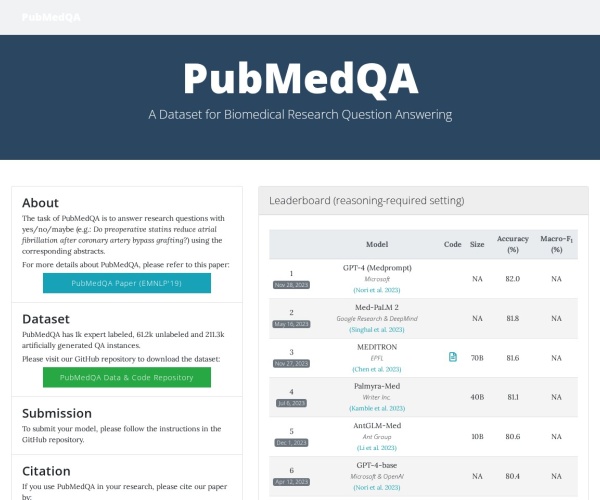
- PubMedQA
- 深入了解PubMedQA生物医学问答数据集,涵盖其核心功能、使用方法及在临床决策、药物研发等场景的应用,助力提升NLP模型性能。
- 199次使用
-
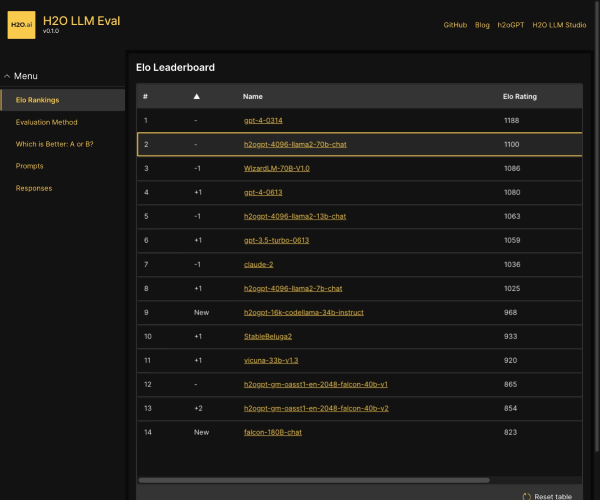
- H2O EvalGPT
- H2O EvalGPT是H2O.ai推出的开源LLM评估平台,提供详细的大模型性能排行榜、行业特定基准测试及A/B测试功能,助您快速选择最适合项目的高性能大语言模型。
- 255次使用
-

- LMArena
- LMArena是加州大学伯克利分校推出的AI模型匿名评测平台。通过盲测投票机制,用户可对比不同大模型回答并生成实时排行榜,助力开发者优化模型及用户选择最佳AI工具。
- 209次使用
-
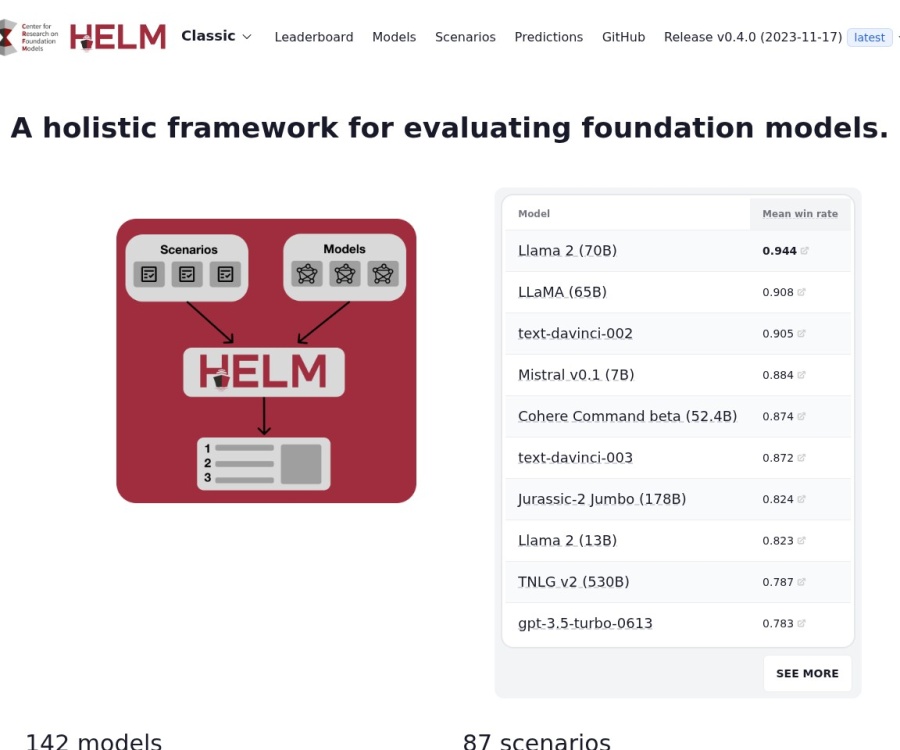
- HELM
- 深入了解斯坦福推出的HELM(Holistic Evaluation of Language Models)大模型评测体系。本文解析其核心功能、安装配置步骤及应用场景,涵盖准确性、公平性、鲁棒性等多维度指标,助力开发者全面优化语言模型性能。
- 199次使用
-
- CMMLU
- 深入了解CMMLU中文评估基准,涵盖67个学科主题,提供数据集下载、Zero-shot/Five-shot评估方法及排行榜,助力优化中文语言模型性能。
- 185次使用
查看更多
相关文章
-
- 用Nginx反向代理部署go写的网站。
- 2023-01-17 502浏览
-
- GoLand调式动态执行代码
- 2023-01-13 502浏览
-
- Go sql.Tx提交成功前读取结果导致事务边界混乱的修复方法
- 2026-09-20 501浏览
-
- Go select 用 time.After 做超时有什么资源代价
- 2026-09-10 501浏览
-
- Go 取 range 变量地址为什么得到重复指针
- 2026-09-07 501浏览