
Golang Dijkstra goroutine
你在学习Golang相关的知识吗?本文《Golang Dijkstra goroutine》,主要介绍的内容就涉及到,如果你想提升自己的开发能力,就不要错过这篇文章,大家要知道编程理论基础和实战操作都是不可或缺的哦!
所以基本上我需要使用 goroutine 来做一个 dijkstra 程序。
除了 goroutine 有点问题之外,我基本上已经完成了所有操作。由于它是 dijkstra 算法,因此我使用一个函数来查找从给定节点到所有其他节点的最短路径。 goroutine 必须帮助我找到从 n 到 n 个节点的最短路径,如下面的代码所示。
//This function will get us all the shortest paths from all the nodes to all the other nodes
//list []Edge here is our list containing all the characteristics given by the .txt file
//nodes []int gives us all the nodes in our graph
//map[int]map[int][]int is all the results for the paths for e.g {1:{2:[1 2](the paths that it took) 3:[1 3]...} 2:{1:{2 1}...}...}
//map[int]map[int]int is all the distances for the different paths for e.g {1:{2:1 3:2 4:3...},2...}
func Dijkstra(list []Edge, nodes []int) (map[int]map[int][]int, map[int]map[int]int) {
    var wg sync.WaitGroup // Waitgroup so that we won't get some things done before all the goroutines are done
    dijk := make(map[int]map[int][]int)
    distance := make(map[int]map[int]int)
    //start := time.Now()
    neighbors := getAllNeighbors(list, nodes)
    //fmt.Print(neighbors)
    //We get all the neighbors for every node we have in our graph
    //{1:[{1 2 1},{1 3 2}],B:...}
    for _, node := range nodes { //for every node we have we are going to get the shortest path to all the other nodes
        var routes map[int][]int
        var distances map[int]int

        wg.Add(1)   //We add our next goroutine in the waitgroup
        go func() { //goroutine
            routes, distances = oneDijkstra(node, &wg, list, nodes, neighbors) //function that will give us the shortes path from the node to other nodes of the list
        }()
        wg.Wait() //We wait until the waitgroup is empty to do the rest of the code
        //We can't add routes to our dijk if it's not completed
        dijk[node] = routes
        //for this node, we add the other nodes with the way to take to have the shortest path with them
        distance[node] = distances
        //for this node, we add for every other node the cost it takes for the shortest path
    }
    //fmt.Print(time.Since(start))
    return dijk, distance
}
问题是这段代码在实际状态下并没有很好地使用 goroutine。我想知道我应该把它放在哪里才能使我的结果更快(因为这里好像没有 goroutine)。预先感谢任何能够给我一些解决方案的人。
正确答案
dijkstra 函数未同时处理节点的主要原因是因为您等待 goroutine 在循环内完成(使用 wg.wait())。本质上,每个节点并不是同时处理的。
一个潜在的解决方案:
首先,修改您的 onedijkstra 函数以接收您要将数据发送到的通道(数据只是包含所有信息的结构)。
func ondedijkstra(node int, wg *sync.waitgroup, list []edge, nodes []int, neighbours []edge, datach chan<- data){
   defer wg.done()
   //your calculations
   // ...
   datach <- data{node, routes, distances}
}
接下来,在 dijkstra 函数中,您需要更改一些内容。
首先,启动一个 goroutine,该 goroutine 将从 datach 通道读取数据并添加到映射中。我个人更喜欢这个解决方案,因为它避免了 maps being modified concurrently。
接下来,遍历节点,为每个节点启动一个 goroutine,并等待循环后一切完成。
func dijkstra(list []edge, nodes []int) (map[int]map[int][]int, map[int]map[int]int) {
    var wg sync.waitgroup
    datach := make(chan data)
    done := make(chan bool)
    dijk := make(map[int]map[int][]int)
    distance := make(map[int]map[int]int)
    neighbors := getallneighbors(list, nodes)

    //start a goroutine that will read from the data channel
    go func(){
      for d := range datach {
        dijk[d.node] = d.routes
        distance[d.node] = d.distances
      }
      done <- true //this is used to wait until all data has been read from the channel
    }()

    wg.add(len(nodes))
    for _, node := range nodes {
        go onedijkstra(node, &wg, list, nodes, neighbors, datach)
    }

    wg.wait()
    close(datach) //this closes the datach channel, which will make the for-range loop exit once all the data has been read
    <- done //we wait for all of the data to get read and put into maps

    return dijk, distance
}
我认为将等待移至 for 循环之后并将结果直接分配给切片将满足您的要求。
for _, node := range nodes { //for every node we have we are going to get the shortest path to all the other nodes
        wg.Add(1)   //We add our next goroutine in the waitgroup
        go func() { //goroutine
           defer wg.Done();
           dijk[node] , distance[node] = oneDijkstra(node, &wg, list, nodes, neighbors) //function that will give us the shortes path from the node to other nodes of the list
        }()
    }
    wg.wait();
今天关于《Golang Dijkstra goroutine》的内容介绍就到此结束,如果有什么疑问或者建议,可以在golang学习网公众号下多多回复交流;文中若有不正之处,也希望回复留言以告知!
 差异性比较:在 C# 中导入 Go Dll 后 CString 返回值的不同
- 上一篇
- 差异性比较:在 C# 中导入 Go Dll 后 CString 返回值的不同
- 下一篇
- 使用 Golang 中的 Cassandra GOCQL 驱动程序实现页面状态计算
-
- Golang · Go问答 | 6小时前 |
- Go ColumnTypes 推断动态查询字段的安全用法
- 319浏览 收藏
-
- Golang · Go问答 | 7小时前 | Go问答 · Go 错误检查 database/sql Rows.Err
- Go Rows.Err 在迭代结束后的错误检查
- 266浏览 收藏
-
- Golang · Go问答 | 7小时前 |
- Go sql.Scan NULL 到字符串失败的字段适配
- 388浏览 收藏
-
- Golang · Go问答 | 7小时前 |
- Go Tx.Stmt 复用预处理语句的生命周期
- 154浏览 收藏
-
- Golang · Go问答 | 8小时前 |
- Go 事务隔离级别设置未生效的驱动边界
- 165浏览 收藏
-
- Golang · Go问答 | 8小时前 |
- Go DB PingContext 启动探活的超时配置
- 438浏览 收藏
-
- Golang · Go问答 | 9小时前 |
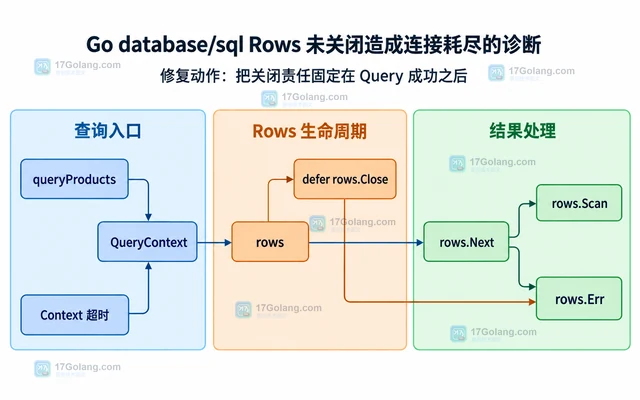
- Go database/sql Rows 未关闭造成连接耗尽的诊断
- 354浏览 收藏
-
- Golang · Go问答 | 9小时前 |
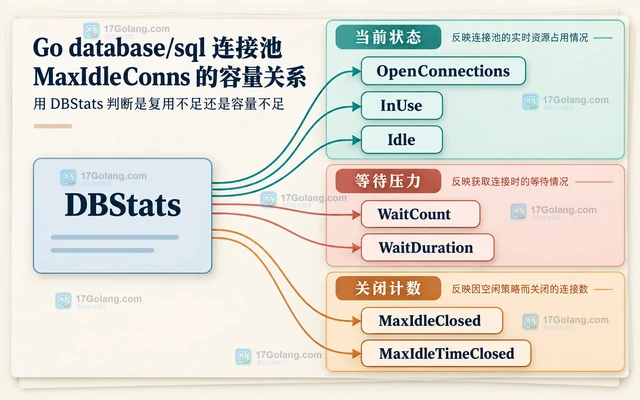
- Go database/sql 连接池 MaxIdleConns 的容量关系
- 478浏览 收藏
-
- Golang · Go问答 | 10小时前 |
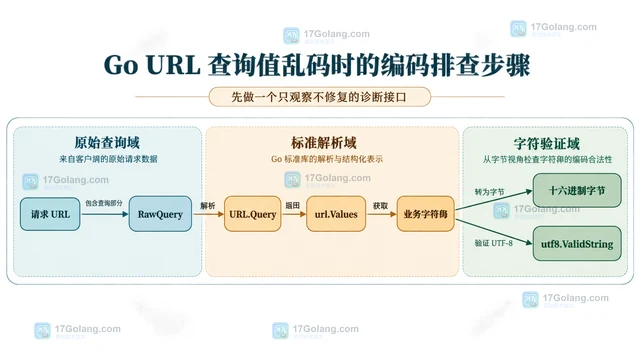
- Go URL 查询值乱码时的编码排查步骤
- 285浏览 收藏
-
- Golang · Go问答 | 10小时前 | Go问答 · Go URL路径 url.JoinPath PathEscape 双斜杠
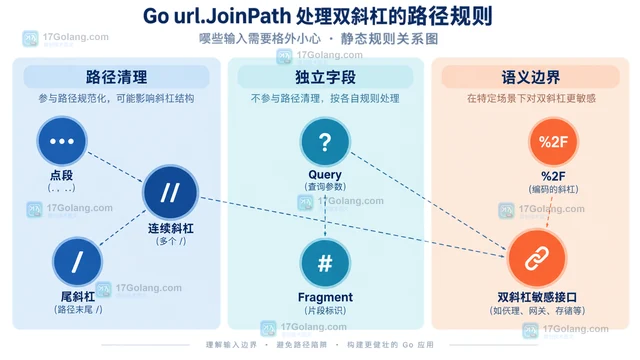
- Go url.JoinPath 处理双斜杠的路径规则
- 446浏览 收藏
-

- 前端进阶之JavaScript设计模式
- 设计模式是开发人员在软件开发过程中面临一般问题时的解决方案,代表了最佳的实践。本课程的主打内容包括JS常见设计模式以及具体应用场景,打造一站式知识长龙服务,适合有JS基础的同学学习。
- 543次学习
-

- GO语言核心编程课程
- 本课程采用真实案例,全面具体可落地,从理论到实践,一步一步将GO核心编程技术、编程思想、底层实现融会贯通,使学习者贴近时代脉搏,做IT互联网时代的弄潮儿。
- 516次学习
-

- 简单聊聊mysql8与网络通信
- 如有问题加微信:Le-studyg;在课程中,我们将首先介绍MySQL8的新特性,包括性能优化、安全增强、新数据类型等,帮助学生快速熟悉MySQL8的最新功能。接着,我们将深入解析MySQL的网络通信机制,包括协议、连接管理、数据传输等,让
- 500次学习
-
- JavaScript正则表达式基础与实战
- 在任何一门编程语言中,正则表达式,都是一项重要的知识,它提供了高效的字符串匹配与捕获机制,可以极大的简化程序设计。
- 487次学习
-

- 从零制作响应式网站—Grid布局
- 本系列教程将展示从零制作一个假想的网络科技公司官网,分为导航,轮播,关于我们,成功案例,服务流程,团队介绍,数据部分,公司动态,底部信息等内容区块。网站整体采用CSSGrid布局,支持响应式,有流畅过渡和展现动画。
- 485次学习
-
- PubMedQA
- 深入了解PubMedQA生物医学问答数据集,涵盖其核心功能、使用方法及在临床决策、药物研发等场景的应用,助力提升NLP模型性能。
- 261次使用
-
- H2O EvalGPT
- H2O EvalGPT是H2O.ai推出的开源LLM评估平台,提供详细的大模型性能排行榜、行业特定基准测试及A/B测试功能,助您快速选择最适合项目的高性能大语言模型。
- 306次使用
-

- LMArena
- LMArena是加州大学伯克利分校推出的AI模型匿名评测平台。通过盲测投票机制,用户可对比不同大模型回答并生成实时排行榜,助力开发者优化模型及用户选择最佳AI工具。
- 289次使用
-
- HELM
- 深入了解斯坦福推出的HELM(Holistic Evaluation of Language Models)大模型评测体系。本文解析其核心功能、安装配置步骤及应用场景,涵盖准确性、公平性、鲁棒性等多维度指标,助力开发者全面优化语言模型性能。
- 263次使用
-

- MMBench
- MMBench是由上海人工智能实验室等机构联合推出的多模态基准测试平台,提供细粒度能力评估、大规模数据集及VLMEvalKit工具。本文详细介绍其核心功能、安装使用方法及应用场景,助力开发者全面评估多模态模型性能。
- 76次使用
-
- 用Nginx反向代理部署go写的网站。
- 2023-01-17 502浏览
-
- GoLand调式动态执行代码
- 2023-01-13 502浏览
-
- Go tls.GetCertificate 为什么收不到空 ServerName 请求
- 2026-09-27 501浏览
-
- Go sql.Tx提交成功前读取结果导致事务边界混乱的修复方法
- 2026-09-20 501浏览
-
- Go select 用 time.After 做超时有什么资源代价
- 2026-09-10 501浏览