
使用OpenAi的食品识别和营养估算
来源:dev.to
2025-02-11 20:19:00
0浏览
收藏
大家好,今天本人给大家带来文章《使用OpenAi的食品识别和营养估算》,文中内容主要涉及到,如果你对文章方面的知识点感兴趣,那就请各位朋友继续看下去吧~希望能真正帮到你们,谢谢!
这是您可以在短短20分钟内使用openai构建简单的食物识别和营养估算应用程序的方法 它的工作原理
>图像编码:图像被转换为base64格式,以通过openai的api处理。>食物识别提示:该应用将图像发送到openai,以识别食物及其各自的数量。
营养估计:使用另一个提示来估计基于确定的食品及其数量的营养价值。> 显示结果:使用gradio显示出估计的卡路里,蛋白质,脂肪和碳水化合物的值。
>
这是一个非常简单的代码,可以改进/更好地组织起来,但是想法是说明它可以轻松地创建一个简单的poc。 如果您正在从事有趣的项目,请在上与我联系
from openai import OpenAI
from pydantic import BaseModel
import base64
from typing import List
import gradio as gr

def encode_image(image_path):
  with open(image_path, "rb") as image_file:
    return base64.b64encode(image_file.read()).decode('utf-8')

openai_api_key = "key"
client = OpenAI(api_key=openai_api_key)

"""pydantic models to record food items and nutrient information,
not necessary but helpful if you intend to create apis
or use the data in other ways.
"""
class Food(BaseModel):
    name: str
    quantity: str

class Items(BaseModel):
    items: List[Food]

class Nutrient(BaseModel):
    steps: List[str]
    reasons: str
    kcal: str
    fat: str
    proteins: str
    carbohydrates: str


def recognize_items(image):
    """This function takes an image and returns a list of recognized food items along with their count and the nutrition.
    """
    #first recognize items and quantities
    messages = [
        {
        "role": "user",
        "content": [
            {
            "type": "text",
            "text": f"You are an expert in recognising individual food items and their quantity. Give count(number) for countable items and an estimate for liquid/mixed or non countable items.  For example if you have one burger,two pastries, 2 pav, bhaji and dal in an image, you return burger,pastry,pav, bhaji and dal along with the count or estimates without any duplicates. For non countable items give an estimate in grams while explaining like 'looks 1 teaspoon of sauce, so around 5-8 grams' or 'looks 1 serving of bhaji, so around 150-200gms'. Given the image below, recognise food items with their quantity.",
            }
        ],
        }
    ]

    base64_image = encode_image(image)
    dic = {
                "type": "image_url",
                "image_url": {
                    "url":  f"data:image/jpeg;base64,{base64_image}",
                    "detail": "low"
                },
            }
    messages[0]["content"].append(dic)
    response = client.beta.chat.completions.parse(
    model="gpt-4o-mini",
    messages=messages,
    response_format=Items,
    max_tokens=300,
    temperature=0.1
    )
    foods = response.choices[0].message.parsed

    res = ""
    for food in foods.items:
        res=res+food.name+ " "+food.quantity+"\n"

    #now estimate nutrition, we can use a separate model for this task
    messages = [
        {
        "role": "user",
        "content": [
            {
            "type": "text",
            "text": f"You are an expert in estimating information regarding nutririon given the food items and thier quantities. Think step by step considering the given food items and their quantities, and give an estimated range(lowest - highest) of kcal, range(lowest - highest) of fat, range of proteins(lowest - highest) and carbohydrates(lowest - highest). Ignore contributions from minor items. Ensure your estimations are solely based on the provided quantities.  Return steps,reasons and estimations if this food was consumed. \n\nfood and quantity consumed by user: {res} \n\n.",
            }
        ],
        }
    ]
    dic = {
                "type": "image_url",
                "image_url": {
                    "url":  f"data:image/jpeg;base64,{base64_image}",
                    "detail": "low"
                },
            }
    messages[0]["content"].append(dic)
    response = client.beta.chat.completions.parse(
    model="gpt-4o-mini",
    messages=messages,
    response_format=Nutrient,
    max_tokens=500,
    temperature=0.1
    )
    nuts = response.choices[0].message.parsed
    steps = " ".join(nuts.steps)
    res=res+"\n"+steps+"\n\ncalories: "+nuts.kcal+" \nfats: "+nuts.fat+" \nproteins: "+nuts.proteins+" \ncarbohydrates: "+nuts.carbohydrates+"\n"+nuts.reasons+"\n"+"*These are estimations based on image. They might not be perfect or accurate. Please calculate based on the food you consume for a more precise estimate."
    return res


with gr.Blocks() as demo:
    foods=None
    with gr.Row():
        image_input = gr.Image(label="Upload Image",height=300,width=300,type="filepath")

    with gr.Row() as but_row:
        submit_btn = gr.Button("Detect food and quantity")

    with gr.Row() as text_responses_row:
        text_response_1 = gr.Textbox(label="Detected food and quantity",scale=1)

    submit_btn.click(
        recognize_items,
        inputs=[image_input],
        outputs=[text_response_1]
    )

if __name__ == "__main__":
    demo.launch()
好了,本文到此结束,带大家了解了《使用OpenAi的食品识别和营养估算》,希望本文对你有所帮助!关注golang学习网公众号,给大家分享更多文章知识!
版本声明
本文转载于:dev.to 如有侵犯,请联系study_golang@163.com删除
 哪吒汽车计划融资40亿元-45亿元,领投方或出资30亿元
- 上一篇
- 哪吒汽车计划融资40亿元-45亿元,领投方或出资30亿元
- 下一篇
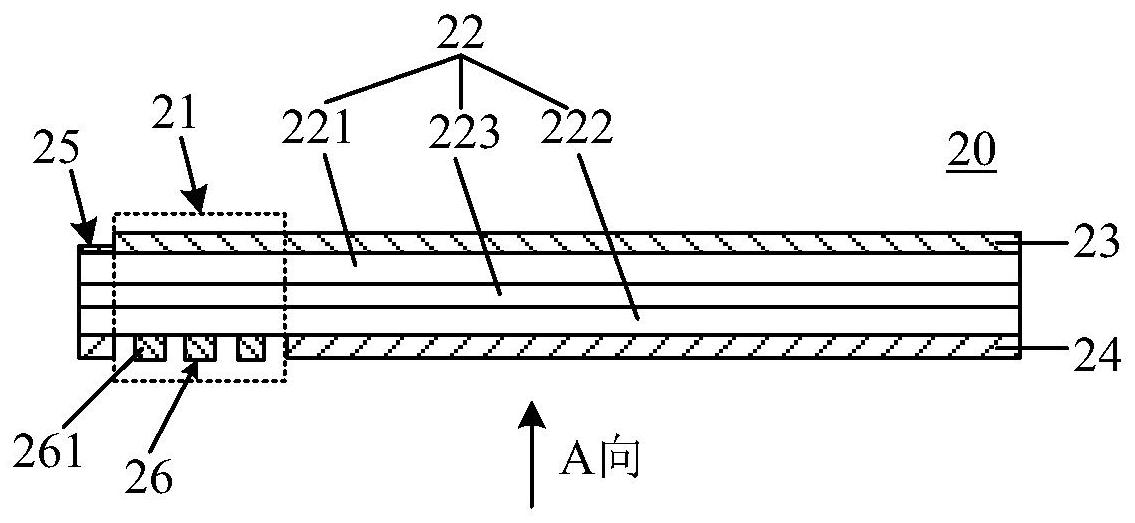
- 京东方“一种柔性线路板、发光模组和显示装置”专利公布
查看更多
最新文章
-
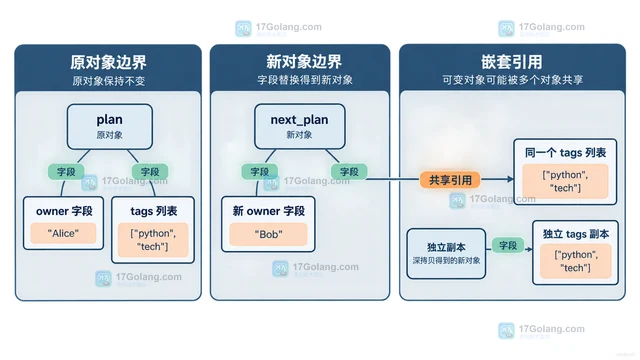
- 文章 · python教程 | 3小时前 | python · Python 不可变对象 namedtuple dataclass copy.replace
- Python copy.replace 怎么更新不可变对象字段
- 245浏览 收藏
-
- 文章 · python教程 | 7小时前 | python ·
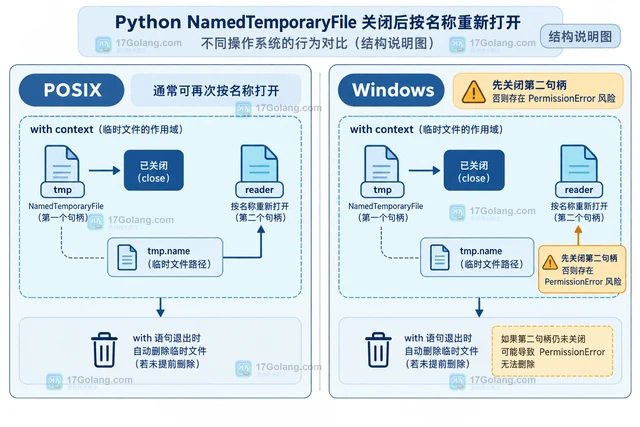
- Python NamedTemporaryFile 的 delete_on_close 怎么设置
- 311浏览 收藏
-
- 文章 · python教程 | 13小时前 |
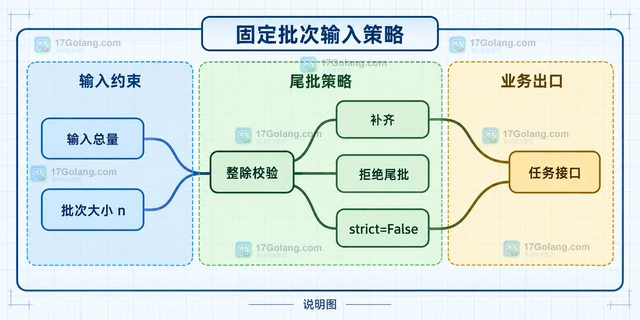
- Python itertools.batched strict 参数什么时候会报错
- 306浏览 收藏
-
- 文章 · python教程 | 15小时前 |
- Python ExceptionGroup split 怎么按异常类型拆分
- 311浏览 收藏
-
- 文章 · python教程 | 17小时前 |
- Python dataclass slots 与 weakref_slot 怎么一起用
- 207浏览 收藏
-
- 文章 · python教程 | 1天前 | python · Python tarfile extraction_filter data_filter
- Python tarfile extraction_filter 怎么阻止危险路径
- 232浏览 收藏
-
- 文章 · python教程 | 1天前 |
- Python pathlib.Path.walk 怎么剪枝目录遍历
- 159浏览 收藏
-
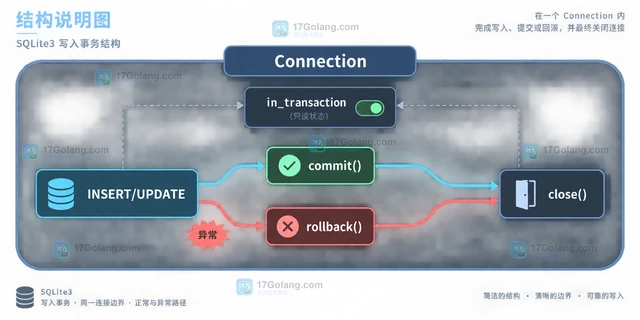
- 文章 · python教程 | 1天前 | python · SQLite · Python sqlite3 autocommit isolation_level SQLite事务
- Python sqlite3 autocommit 与 isolation_level 怎么配合
- 378浏览 收藏
-
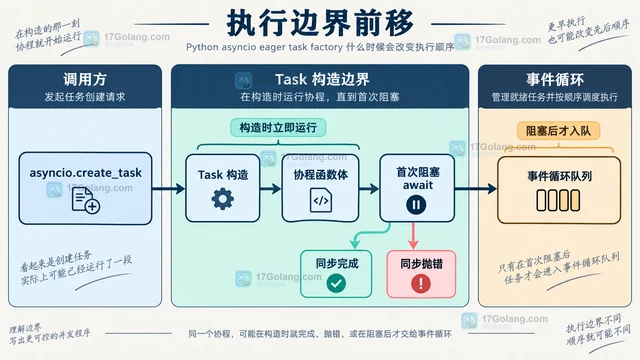
- 文章 · python教程 | 1天前 | 并发 · 异步编程 · Python教程 · Python 任务调度 asyncio eager_task_factory
- Python asyncio eager task factory 什么时候会改变执行顺序
- 497浏览 收藏
-
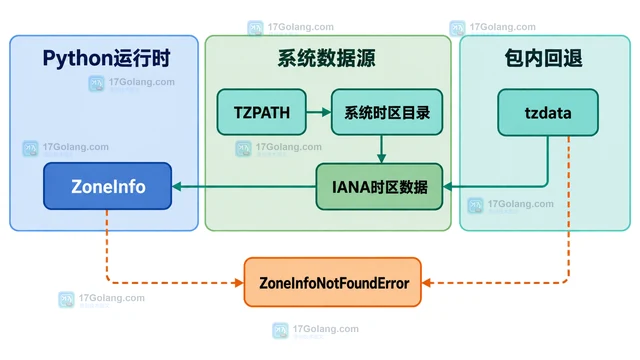
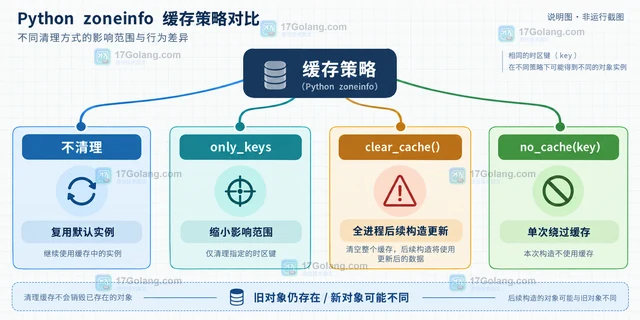
- 文章 · python教程 | 1天前 |
- Python zoneinfo部署时区数据缺失的兼容处理
- 378浏览 收藏
查看更多
课程推荐
-

- 前端进阶之JavaScript设计模式
- 设计模式是开发人员在软件开发过程中面临一般问题时的解决方案,代表了最佳的实践。本课程的主打内容包括JS常见设计模式以及具体应用场景,打造一站式知识长龙服务,适合有JS基础的同学学习。
- 543次学习
-

- GO语言核心编程课程
- 本课程采用真实案例,全面具体可落地,从理论到实践,一步一步将GO核心编程技术、编程思想、底层实现融会贯通,使学习者贴近时代脉搏,做IT互联网时代的弄潮儿。
- 516次学习
-
- 简单聊聊mysql8与网络通信
- 如有问题加微信:Le-studyg;在课程中,我们将首先介绍MySQL8的新特性,包括性能优化、安全增强、新数据类型等,帮助学生快速熟悉MySQL8的最新功能。接着,我们将深入解析MySQL的网络通信机制,包括协议、连接管理、数据传输等,让
- 500次学习
-
- JavaScript正则表达式基础与实战
- 在任何一门编程语言中,正则表达式,都是一项重要的知识,它提供了高效的字符串匹配与捕获机制,可以极大的简化程序设计。
- 487次学习
-

- 从零制作响应式网站—Grid布局
- 本系列教程将展示从零制作一个假想的网络科技公司官网,分为导航,轮播,关于我们,成功案例,服务流程,团队介绍,数据部分,公司动态,底部信息等内容区块。网站整体采用CSSGrid布局,支持响应式,有流畅过渡和展现动画。
- 485次学习
查看更多
AI推荐
-
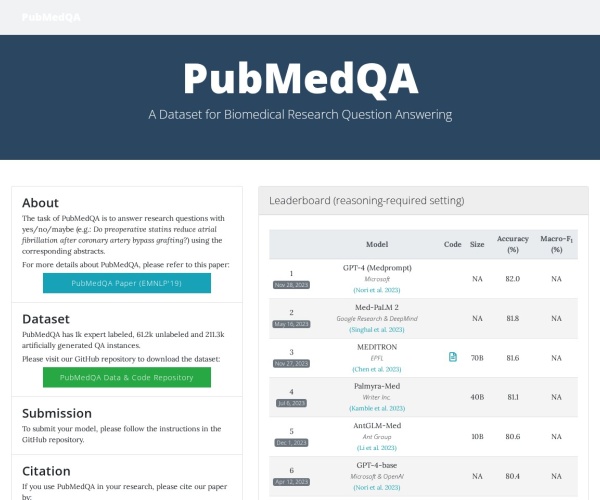
- PubMedQA
- 深入了解PubMedQA生物医学问答数据集,涵盖其核心功能、使用方法及在临床决策、药物研发等场景的应用,助力提升NLP模型性能。
- 248次使用
-
- H2O EvalGPT
- H2O EvalGPT是H2O.ai推出的开源LLM评估平台,提供详细的大模型性能排行榜、行业特定基准测试及A/B测试功能,助您快速选择最适合项目的高性能大语言模型。
- 295次使用
-

- LMArena
- LMArena是加州大学伯克利分校推出的AI模型匿名评测平台。通过盲测投票机制,用户可对比不同大模型回答并生成实时排行榜,助力开发者优化模型及用户选择最佳AI工具。
- 262次使用
-
- HELM
- 深入了解斯坦福推出的HELM(Holistic Evaluation of Language Models)大模型评测体系。本文解析其核心功能、安装配置步骤及应用场景,涵盖准确性、公平性、鲁棒性等多维度指标,助力开发者全面优化语言模型性能。
- 247次使用
-

- MMBench
- MMBench是由上海人工智能实验室等机构联合推出的多模态基准测试平台,提供细粒度能力评估、大规模数据集及VLMEvalKit工具。本文详细介绍其核心功能、安装使用方法及应用场景,助力开发者全面评估多模态模型性能。
- 52次使用
查看更多
相关文章
-
- Python sqlite3 Connection serialize 怎么导出数据库快照:备份窗口、内存占用与恢复校验
- 2026-08-26 501浏览
-
- Python监控网页状态:requests异常处理实战
- 2026-05-29 501浏览
-
- TensorFlow模型部署为API的TF Serving方法
- 2026-05-26 501浏览
-
- Python字符串编码转换:encode与decode详解
- 2026-05-16 501浏览
-
- TensorFlow裁剪无用算子方法详解
- 2026-05-15 501浏览