如何在地图中追踪步骤,代码降临 ay 6
来到golang学习网的大家,相信都是编程学习爱好者,希望在这里学习文章相关编程知识。下面本篇文章就来带大家聊聊《如何在地图中追踪步骤,代码降临 ay 6》,介绍一下,希望对大家的知识积累有所帮助,助力实战开发!
Advent of Code 2024: Day 6 - Guard Patrol Optimization
I'm a bit behind on my Advent of Code challenges this year due to unforeseen circumstances, about 5-6 days behind. However, I'm determined to complete the puzzles! Today, let's tackle puzzle six.

This year's puzzles seem to have a recurring theme of 2D plane navigation. Today, we're tracking the movements of a guard with a clear, deterministic movement logic: the guard moves in a straight line, turning right when encountering an obstacle.
Representing each step as a point in a 2D plane, we can define movement directions as vectors:
left = (1, 0)
right = (-1, 0)
up = (0, -1)
down = (0, 1)
A rotation matrix representing a right turn is derived as follows:
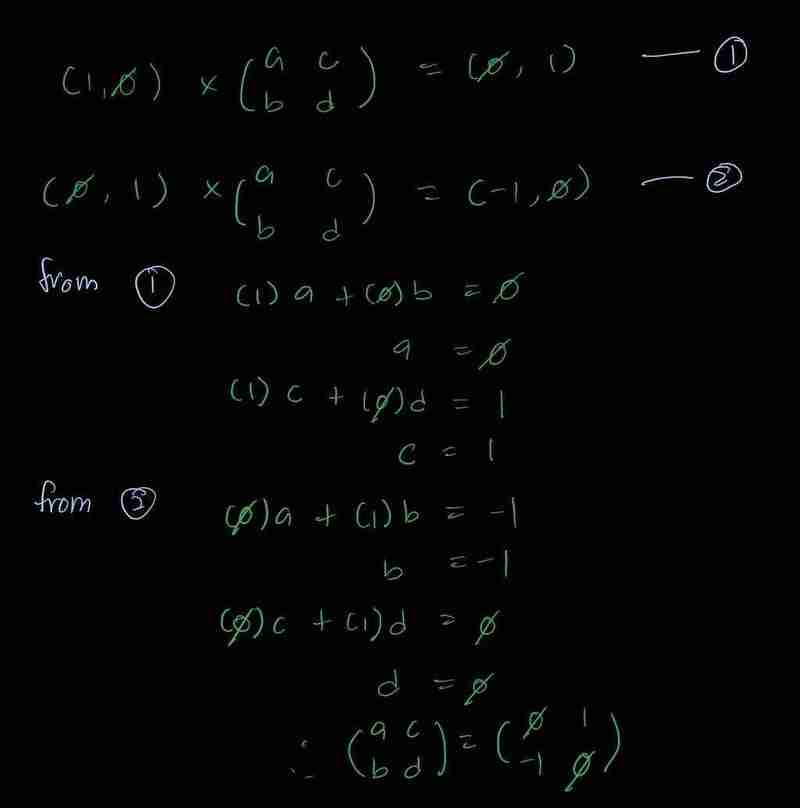
Initially implemented as a dictionary for ease of use, I've refined it with type hints for improved code clarity and maintainability:
class Rotation:
    c0r0: int
    c1r0: int
    c0r1: int
    c1r1: int

@dataclass(frozen=True)
class RotateRight(Rotation):
    c0r0: int = 0
    c1r0: int = 1
    c0r1: int = -1
    c1r1: int = 0
Next, we need classes to represent position, movement, and their manipulation:
from __future__ import annotations
from dataclasses import dataclass

@dataclass(frozen=True)
class Point:
    x: int
    y: int

    def __add__(self, direction: Direction) -> Point:
        return Point(self.x + direction.x, self.y + direction.y)

@dataclass
class Direction:
    x: int
    y: int

    def __mul__(self, rotation: Rotation) -> Direction:
        return Direction(
            self.x * rotation.c0r0 + self.y * rotation.c0r1,
            self.x * rotation.c1r0 + self.y * rotation.c1r1,
        )
The __add__ and __mul__ dunder methods allow for intuitive arithmetic operations on Point and Direction objects. Type hinting ensures code correctness.
Finally, the input model:
from enum import Enum

class Symbol(Enum):
    GUARD = "^"
    OBSTRUCTION = "#"

@dataclass
class Space:
    pass

@dataclass
class Guard:
    pass

@dataclass
class Obstruction:
    pass

@dataclass
class Board:
    tiles: dict[Point, Space | Guard | Obstruction]
    width: int
    height: int
Symbol is a standard enum, Space, Guard, and Obstruction are self-explanatory, and Board represents the map. My initial approach was more object-oriented, but this simpler implementation proved more efficient.
Input parsing:
def finder(board: tuple[str, ...], symbol: Symbol) -> generator[Point, None, None]:
    return (
        Point(x, y)
        for y, row in enumerate(board)
        for x, item in enumerate(tuple(row))
        if item == symbol.value
    )

def parse(input: str) -> tuple[Board, Point]:
    rows = tuple(input.strip().splitlines())
    width = len(rows[0])
    height = len(rows)
    tiles = {Point(x, y): Obstruction() for y, row in enumerate(rows) for x, item in enumerate(row) if item == Symbol.OBSTRUCTION.value}
    return Board(tiles, width, height), next(finder(rows, Symbol.GUARD))
The guard's position is a Point object. finder scans for symbols.
Part 1: Calculating the number of unique tiles visited by the guard.
def check_is_passable(board: Board, point: Point) -> bool:
    return not isinstance(board.tiles.get(point, Space()), Obstruction)

def guard_rotate(direction: Direction, rotation: Rotation) -> Direction:
    return direction * rotation

def guard_move(
    board: Board, guard: Point, direction: Direction, rotation: Rotation
) -> tuple[Direction, Point]:
    destination = guard + direction
    if check_is_passable(board, destination):
        return direction, destination
    else:
        return guard_rotate(direction, rotation), guard

def get_visited_tiles(
    board: Board,
    guard: Point,
    rotation: Rotation,
    direction: Direction = Direction(0, -1), # Default direction: up
) -> dict[Point, bool]:
    tiles = {guard: True}
    while True: #check_is_in_board(board, guard):  Removed board boundary check for simplification.  Assume board is large enough.
        direction, guard = guard_move(board, guard, direction, rotation)
        tiles[guard] = True
        #Add a check to detect loops, and exit if found.  This prevents infinite loops.  (Implementation omitted for brevity)


    return tiles

def part1(input: str) -> int:
    board, guard = parse(input)
    return len(get_visited_tiles(board, guard, RotateRight()))
Part 2: Finding a location to place a new object to create a loop in the guard's patrol.
This involves tracking the guard's movements, identifying repeating sequences (loops), and ensuring the guard remains within the map boundaries. (Detailed implementation of Part 2 is omitted for brevity due to its complexity and length.) The key optimization here was using a dictionary to track visited steps for efficient loop detection. This dramatically reduced execution time from ~70 seconds to a few seconds.
My job search continues (#opentowork). I hope for better results next year. More updates next week.
理论要掌握,实操不能落!以上关于《如何在地图中追踪步骤,代码降临 ay 6》的详细介绍,大家都掌握了吧!如果想要继续提升自己的能力,那么就来关注golang学习网公众号吧!
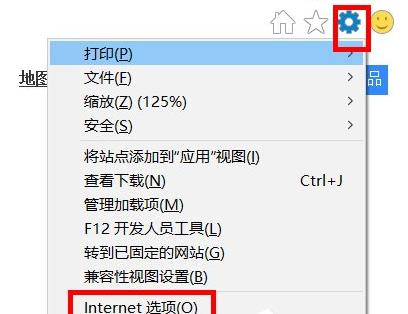 win10internet选项在哪 win10internet选项位置详情
- 上一篇
- win10internet选项在哪 win10internet选项位置详情
- 下一篇
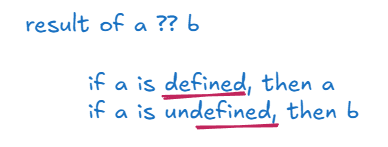
- Js 位 - Nullish Colaescing)
-
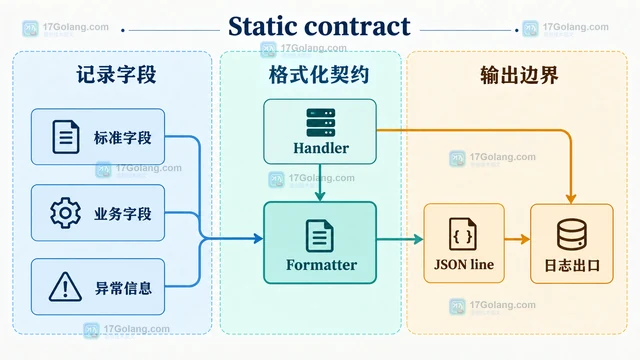
- 文章 · python教程 | 7小时前 |
- Python logging Formatter 统一结构化字段输出
- 185浏览 收藏
-
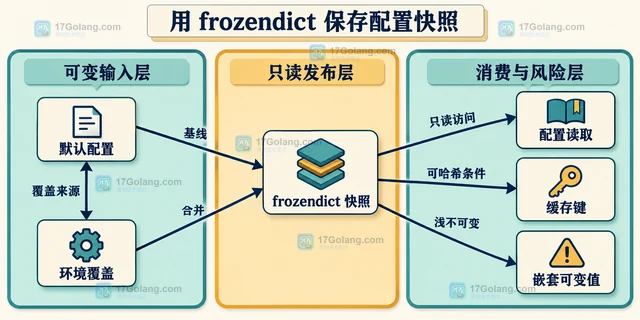
- 文章 · python教程 | 8小时前 | 配置 · python · Python教程 · 配置管理 Python 3.15 frozendict 不可变映射
- Python 3.15 frozendict 内置类型的配置使用场景
- 192浏览 收藏
-
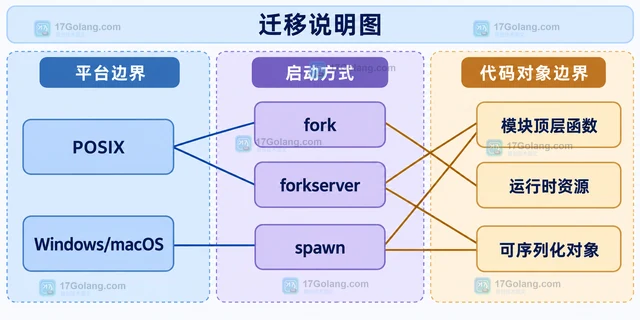
- 文章 · python教程 | 11小时前 | 序列化 · python · Python pickle 进程池 multiprocessing Pool
- Python multiprocessing 进程池传递不可序列化对象
- 255浏览 收藏
-
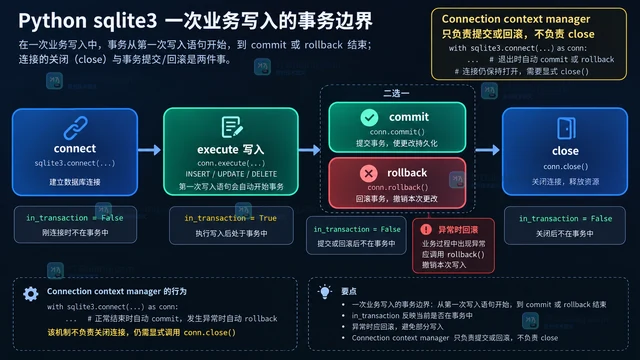
- 文章 · python教程 | 12小时前 | 数据一致性 · Python教程 · Python 事务 自动提交 sqlite3 autocommit isolation_level
- Python sqlite3 事务模式与自动提交边界
- 197浏览 收藏
-
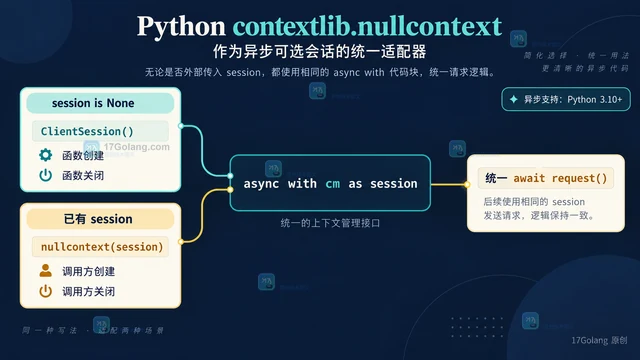
- 文章 · python教程 | 12小时前 |
- Python contextlib.nullcontext 统一同步异步入口
- 316浏览 收藏
-
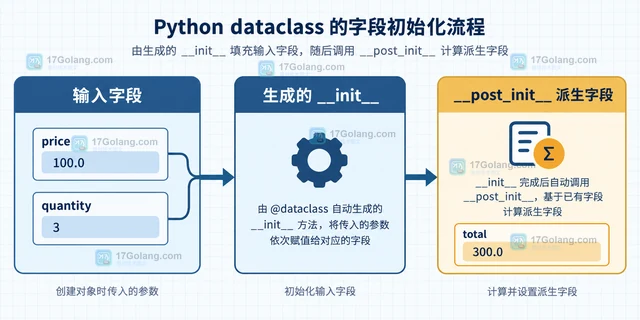
- 文章 · python教程 | 13小时前 | 面向对象 · python · Python教程 · InitVar __post_init__ Python dataclass 派生字段 field(init=False)
- Python dataclass __post_init__ 计算派生字段
- 303浏览 收藏
-
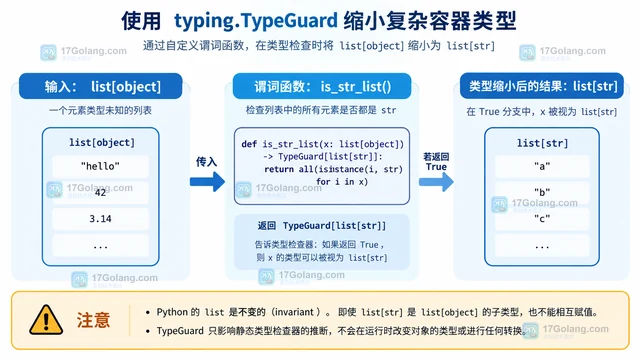
- 文章 · python教程 | 14小时前 |
- Python typing.TypeGuard 处理复杂容器类型收窄
- 437浏览 收藏
-
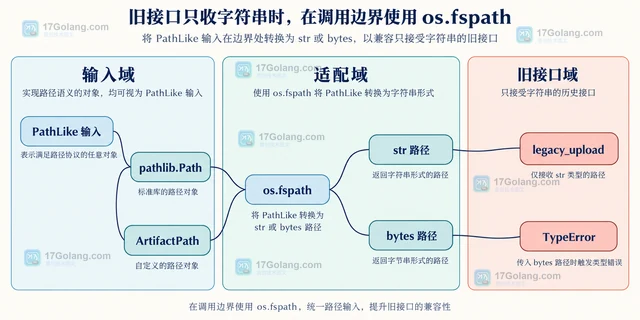
- 文章 · python教程 | 15小时前 |
- Python os.fspath 支持自定义路径对象
- 214浏览 收藏
-
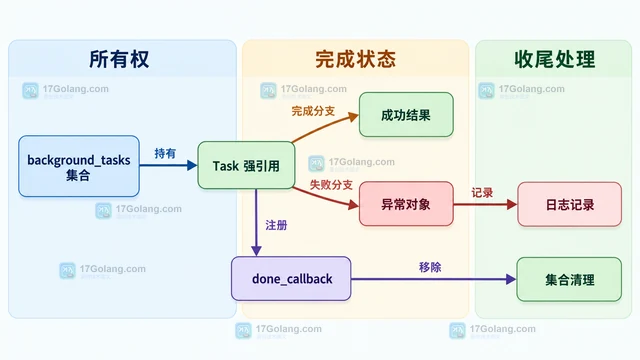
- 文章 · python教程 | 18小时前 | 异常处理 · 异步编程 · Python教程 · asyncio · 后台任务 任务取消 CancelledError Python asyncio asyncio.shield
- Python asyncio.shield 保护后台任务免受外层取消
- 407浏览 收藏
-
- 文章 · python教程 | 20小时前 |
- Python configparser ExtendedInterpolation 组织分层配置
- 480浏览 收藏
-

- 前端进阶之JavaScript设计模式
- 设计模式是开发人员在软件开发过程中面临一般问题时的解决方案,代表了最佳的实践。本课程的主打内容包括JS常见设计模式以及具体应用场景,打造一站式知识长龙服务,适合有JS基础的同学学习。
- 543次学习
-

- GO语言核心编程课程
- 本课程采用真实案例,全面具体可落地,从理论到实践,一步一步将GO核心编程技术、编程思想、底层实现融会贯通,使学习者贴近时代脉搏,做IT互联网时代的弄潮儿。
- 516次学习
-

- 简单聊聊mysql8与网络通信
- 如有问题加微信:Le-studyg;在课程中,我们将首先介绍MySQL8的新特性,包括性能优化、安全增强、新数据类型等,帮助学生快速熟悉MySQL8的最新功能。接着,我们将深入解析MySQL的网络通信机制,包括协议、连接管理、数据传输等,让
- 500次学习
-
- JavaScript正则表达式基础与实战
- 在任何一门编程语言中,正则表达式,都是一项重要的知识,它提供了高效的字符串匹配与捕获机制,可以极大的简化程序设计。
- 487次学习
-

- 从零制作响应式网站—Grid布局
- 本系列教程将展示从零制作一个假想的网络科技公司官网,分为导航,轮播,关于我们,成功案例,服务流程,团队介绍,数据部分,公司动态,底部信息等内容区块。网站整体采用CSSGrid布局,支持响应式,有流畅过渡和展现动画。
- 485次学习
-
- PubMedQA
- 深入了解PubMedQA生物医学问答数据集,涵盖其核心功能、使用方法及在临床决策、药物研发等场景的应用,助力提升NLP模型性能。
- 414次使用
-
- H2O EvalGPT
- H2O EvalGPT是H2O.ai推出的开源LLM评估平台,提供详细的大模型性能排行榜、行业特定基准测试及A/B测试功能,助您快速选择最适合项目的高性能大语言模型。
- 494次使用
-

- LMArena
- LMArena是加州大学伯克利分校推出的AI模型匿名评测平台。通过盲测投票机制,用户可对比不同大模型回答并生成实时排行榜,助力开发者优化模型及用户选择最佳AI工具。
- 502次使用
-
- HELM
- 深入了解斯坦福推出的HELM(Holistic Evaluation of Language Models)大模型评测体系。本文解析其核心功能、安装配置步骤及应用场景,涵盖准确性、公平性、鲁棒性等多维度指标,助力开发者全面优化语言模型性能。
- 449次使用
-

- MMBench
- MMBench是由上海人工智能实验室等机构联合推出的多模态基准测试平台,提供细粒度能力评估、大规模数据集及VLMEvalKit工具。本文详细介绍其核心功能、安装使用方法及应用场景,助力开发者全面评估多模态模型性能。
- 279次使用
-
- Python sqlite3 Connection serialize 怎么导出数据库快照:备份窗口、内存占用与恢复校验
- 2026-08-26 501浏览
-
- Python监控网页状态:requests异常处理实战
- 2026-05-29 501浏览
-
- TensorFlow模型部署为API的TF Serving方法
- 2026-05-26 501浏览
-
- Python字符串编码转换:encode与decode详解
- 2026-05-16 501浏览
-
- TensorFlow裁剪无用算子方法详解
- 2026-05-15 501浏览