
使用 TypeScript 和 ioredis 在 Nodejs 中构建高性能缓存管理器
来源:dev.to
2024-11-28 22:54:48
0浏览
收藏
你在学习文章相关的知识吗?本文《使用 TypeScript 和 ioredis 在 Nodejs 中构建高性能缓存管理器》,主要介绍的内容就涉及到,如果你想提升自己的开发能力,就不要错过这篇文章,大家要知道编程理论基础和实战操作都是不可或缺的哦!
使用基于 ioredis 构建的多功能、易于使用的缓存管理器来提升 node.js 应用程序的性能。简化缓存、优化效率并简化操作。
我根据自己的需求开发了一个基于 ioredis 的类,重点关注易用性和性能。它包括 typescript 支持,旨在实现简单使用和高效操作。它仍然可以进一步改进和优化,可以动态数据库使用和更详细的错误处理。我想与您分享,如果您有任何反馈或改进建议,我将不胜感激。
import Redis, { type RedisOptions } from 'ioredis';

interface CacheConfig {
    defaultTTL?: number;
}

export class cacheManager {
    private static instance: cacheManager;
    private static redisClient: Redis;
    private currentKey: string | null;
    private defaultTTL: number;

    private static readonly DEFAULT_TTL = 3600;

    private constructor(config?: CacheConfig) {
        const redisConfig: RedisOptions = {
            db: 2,
            retryStrategy: (times: number) => {
                const delay = Math.min(times * 50, 2000);
                return delay;
            },
            lazyConnect: true,
            maxRetriesPerRequest: 3,
            enableReadyCheck: true,
            autoResubscribe: true,
            autoResendUnfulfilledCommands: true,
            reconnectOnError: (err: Error) => {
                const targetError = 'READONLY';
                return err.message.includes(targetError);
            },
        };

        if (!cacheManager.redisClient) {
            cacheManager.redisClient = new Redis(redisConfig);

            cacheManager.redisClient.on('error', (error: Error) => {
                console.error('Redis Client Error:', error);
            });

            cacheManager.redisClient.on('connect', () => {
                console.debug('Redis Client Connected');
            });

            cacheManager.redisClient.on('ready', () => {
                console.debug('Redis Client Ready');
            });
        }

        this.currentKey = null;
        this.defaultTTL = config?.defaultTTL ?? cacheManager.DEFAULT_TTL;
    }

    public static getInstance(config?: CacheConfig): cacheManager {
        if (!cacheManager.instance) {
            cacheManager.instance = new cacheManager(config);
        }
        return cacheManager.instance;
    }

    public key(key: string): cacheManager {
        this.validateKey(key);
        this.currentKey = key;
        return this;
    }

    private validateKey(key: string): void {
        if (key.length > 100) throw new Error('Key too long');
        if (!/^[\w:-]+$/.test(key)) throw new Error('Invalid key format');
    }

    public async getValue(): Promise {
        try {
            if (!this.currentKey) {
                throw new Error('Key is required');
            }
            const value = await cacheManager.redisClient.get(this.currentKey);
            return value ? JSON.parse(value) : null;
        } catch (error) {
            console.error('getValue Error:', error);
            return null;
        }
    }

    public async getMultiple(keys: string[]): Promise> {
        try {
            const pipeline = cacheManager.redisClient.pipeline();
            for (const key of keys) {
                pipeline.get(key);
            }

            type PipelineResult = [Error | null, string | null][] | null;
            const results = (await pipeline.exec()) as PipelineResult;
            const output: Record = {};

            if (!results) {
                return output;
            }

            keys.forEach((key, index) => {
                const result = results[index];
                if (result) {
                    const [err, value] = result;
                    if (!err && value) {
                        try {
                            output[key] = JSON.parse(value);
                        } catch {
                            output[key] = null;
                        }
                    } else {
                        output[key] = null;
                    }
                } else {
                    output[key] = null;
                }
            });

            return output;
        } catch (error) {
            console.error('getMultiple Error:', error);
            return {};
        }
    }

    public async setValue(value: T, ttl: number = this.defaultTTL): Promise {
        try {
            if (!this.currentKey) {
                throw new Error('Key is required');
            }
            const stringValue = JSON.stringify(value);

            if (ttl) {
                await cacheManager.redisClient.setex(this.currentKey, ttl, stringValue);
            } else {
                await cacheManager.redisClient.set(this.currentKey, stringValue);
            }

            return true;
        } catch (error) {
            console.error('setValue Error:', error);
            return false;
        }
    }

    public async setBulkValue(keyValuePairs: Record, ttl: number = this.defaultTTL, batchSize = 1000): Promise {
        try {
            const entries = Object.entries(keyValuePairs);
            for (let i = 0; i < entries.length; i += batchSize) {
                const batch = entries.slice(i, i + batchSize);
                const pipeline = cacheManager.redisClient.pipeline();

                for (const [key, value] of batch) {
                    const stringValue = JSON.stringify(value);
                    if (ttl) {
                        pipeline.setex(key, ttl, stringValue);
                    } else {
                        pipeline.set(key, stringValue);
                    }
                }

                await pipeline.exec();
            }
            return true;
        } catch (error) {
            console.error('setBulkValue Error:', error);
            return false;
        }
    }

    public async getOrSetValue(fallbackFn: () => Promise, ttl: number = this.defaultTTL): Promise {
        try {
            if (!this.currentKey) {
                throw new Error('Key is required');
            }

            const cachedValue = await this.getValue();

            if (cachedValue !== null) {
                return cachedValue;
            }

            const value = await fallbackFn();
            await this.setValue(value, ttl);
            return value;
        } catch (error) {
            console.error('getOrSetValue Error:', error);
            return null;
        }
    }

    public async delete(): Promise {
        try {
            if (!this.currentKey) {
                throw new Error('Key is required');
            }
            await cacheManager.redisClient.del(this.currentKey);
            return true;
        } catch (error) {
            console.error('delete Error:', error);
            return false;
        }
    }

    public async exists(): Promise {
        try {
            if (!this.currentKey) {
                throw new Error('Key is required');
            }
            return (await cacheManager.redisClient.exists(this.currentKey)) === 1;
        } catch (error) {
            console.error('exists Error:', error);
            return false;
        }
    }

    public async getTTL(): Promise {
        try {
            if (!this.currentKey) {
                throw new Error('Key is required');
            }
            return await cacheManager.redisClient.ttl(this.currentKey);
        } catch (error) {
            console.error('getTTL Error:', error);
            return -1;
        }
    }

    public static async disconnect(): Promise {
        if (cacheManager.redisClient) {
            await cacheManager.redisClient.quit();
        }
    }
}
好了,本文到此结束,带大家了解了《使用 TypeScript 和 ioredis 在 Nodejs 中构建高性能缓存管理器》,希望本文对你有所帮助!关注golang学习网公众号,给大家分享更多文章知识!
版本声明
本文转载于:dev.to 如有侵犯,请联系study_golang@163.com删除
 R-Tree 如何高效地实现空间索引?
- 上一篇
- R-Tree 如何高效地实现空间索引?

- 下一篇
- 如何优雅地检查函数参数是否都是数字型?
查看更多
最新文章
-
- 文章 · 前端 | 2天前 | 前端 · websocket ·
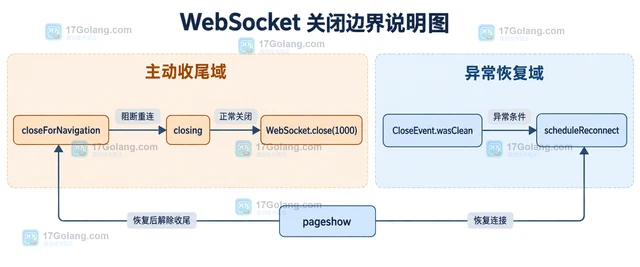
- WebSocket 重连退避与页面卸载的收尾
- 381浏览 收藏
-
- 文章 · 前端 | 2天前 |
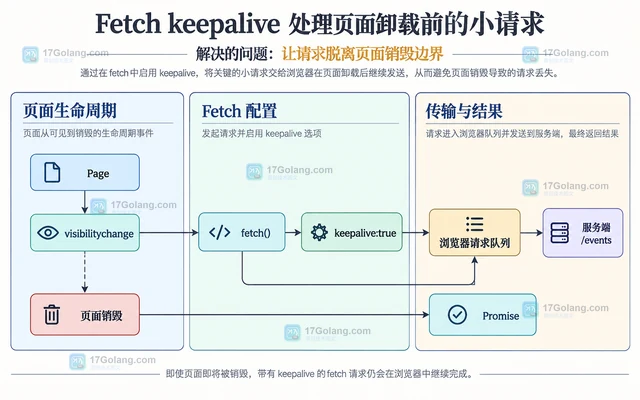
- Fetch keepalive 处理页面卸载前的小请求
- 291浏览 收藏
-
- 文章 · 前端 | 2天前 |
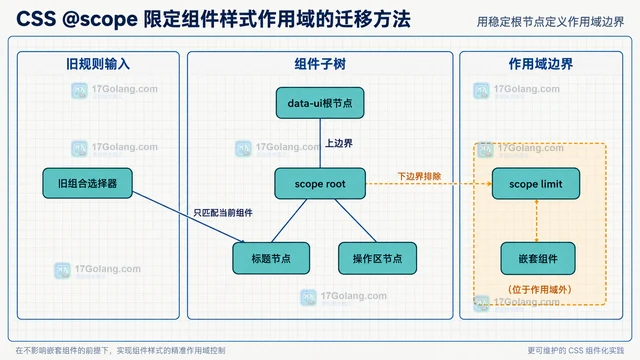
- CSS @scope 限定组件样式作用域的迁移方法
- 294浏览 收藏
-
- 文章 · 前端 | 2天前 |
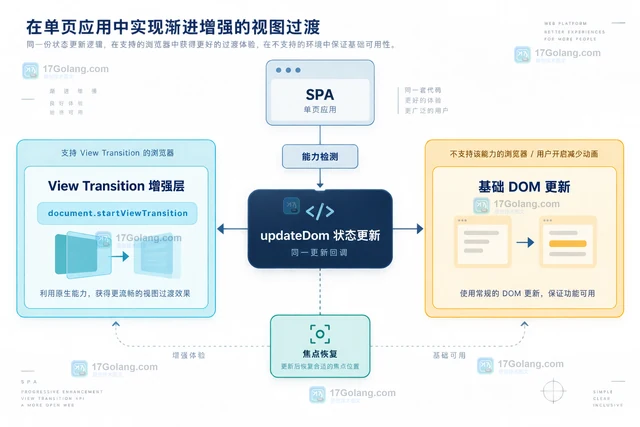
- View Transition API 在 SPA 状态切换中的降级方案
- 142浏览 收藏
-
- 文章 · 前端 | 2天前 | javascript · 表单 · FormData FormDataEvent formdata事件 原生表单
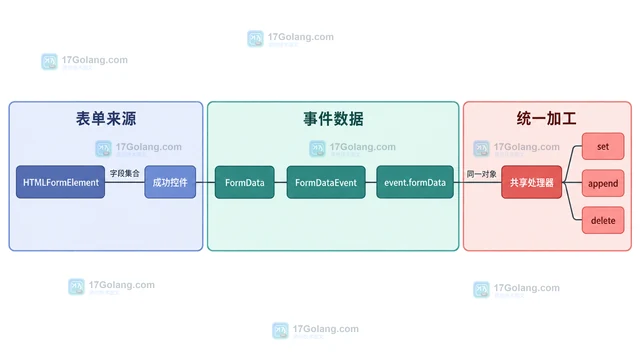
- FormDataEvent 统一拦截原生表单数据的实现
- 288浏览 收藏
-
- 文章 · 前端 | 2天前 | html · javascript · 表单 · requestSubmit form.submit HTML表单校验
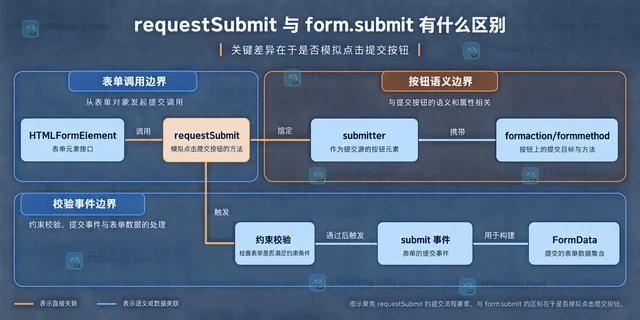
- requestSubmit 与 form.submit 有什么区别
- 392浏览 收藏
-
- 文章 · 前端 | 3天前 |
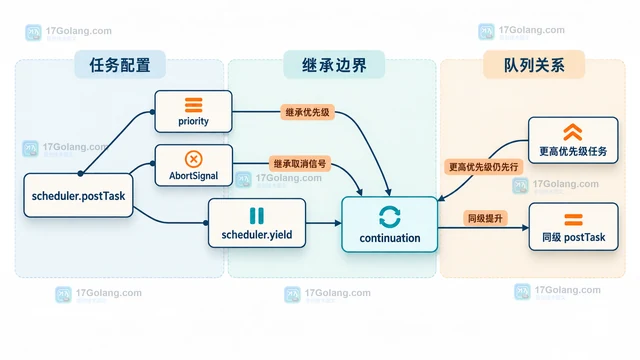
- scheduler.yield 怎么把长任务拆开又保持优先级
- 110浏览 收藏
-
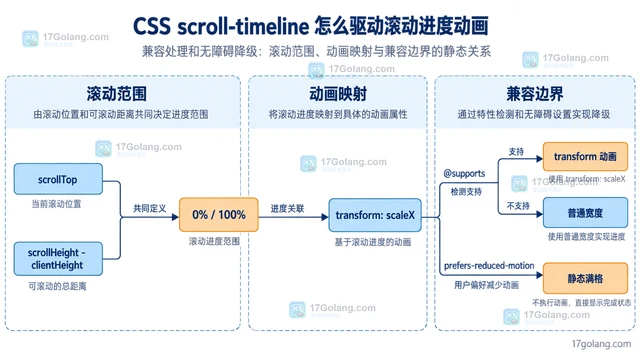
- 文章 · 前端 | 3天前 | CSS 滚动动画 animation-timeline scroll-timeline
- CSS scroll-timeline 怎么驱动滚动进度动画
- 251浏览 收藏
-
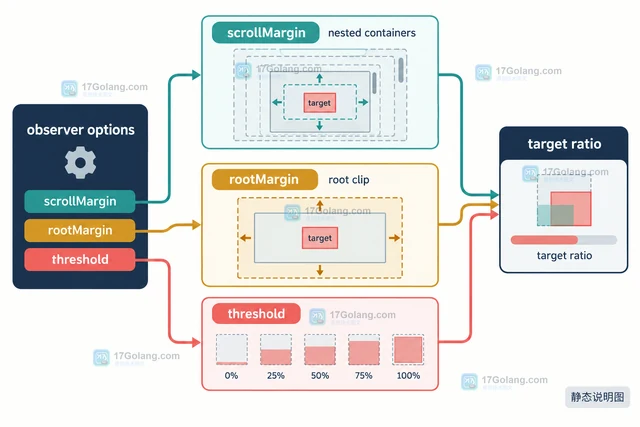
- 文章 · 前端 | 3天前 |
- IntersectionObserver scrollMargin 怎么处理嵌套滚动容器
- 380浏览 收藏
-

- 文章 · 前端 | 3天前 |
- dialog 的 closedby 属性怎么控制关闭方式
- 269浏览 收藏
-

- 文章 · 前端 | 3天前 |
- HTML popover 属性怎么管理轻量浮层
- 249浏览 收藏
-

- 文章 · 前端 | 3天前 |
- Navigation API 怎么拦截单页应用导航
- 167浏览 收藏
查看更多
课程推荐
-

- 前端进阶之JavaScript设计模式
- 设计模式是开发人员在软件开发过程中面临一般问题时的解决方案,代表了最佳的实践。本课程的主打内容包括JS常见设计模式以及具体应用场景,打造一站式知识长龙服务,适合有JS基础的同学学习。
- 543次学习
-

- GO语言核心编程课程
- 本课程采用真实案例,全面具体可落地,从理论到实践,一步一步将GO核心编程技术、编程思想、底层实现融会贯通,使学习者贴近时代脉搏,做IT互联网时代的弄潮儿。
- 516次学习
-

- 简单聊聊mysql8与网络通信
- 如有问题加微信:Le-studyg;在课程中,我们将首先介绍MySQL8的新特性,包括性能优化、安全增强、新数据类型等,帮助学生快速熟悉MySQL8的最新功能。接着,我们将深入解析MySQL的网络通信机制,包括协议、连接管理、数据传输等,让
- 500次学习
-

- JavaScript正则表达式基础与实战
- 在任何一门编程语言中,正则表达式,都是一项重要的知识,它提供了高效的字符串匹配与捕获机制,可以极大的简化程序设计。
- 487次学习
-

- 从零制作响应式网站—Grid布局
- 本系列教程将展示从零制作一个假想的网络科技公司官网,分为导航,轮播,关于我们,成功案例,服务流程,团队介绍,数据部分,公司动态,底部信息等内容区块。网站整体采用CSSGrid布局,支持响应式,有流畅过渡和展现动画。
- 485次学习
查看更多
AI推荐
-

- PubMedQA
- 深入了解PubMedQA生物医学问答数据集,涵盖其核心功能、使用方法及在临床决策、药物研发等场景的应用,助力提升NLP模型性能。
- 281次使用
-

- H2O EvalGPT
- H2O EvalGPT是H2O.ai推出的开源LLM评估平台,提供详细的大模型性能排行榜、行业特定基准测试及A/B测试功能,助您快速选择最适合项目的高性能大语言模型。
- 334次使用
-

- LMArena
- LMArena是加州大学伯克利分校推出的AI模型匿名评测平台。通过盲测投票机制,用户可对比不同大模型回答并生成实时排行榜,助力开发者优化模型及用户选择最佳AI工具。
- 331次使用
-
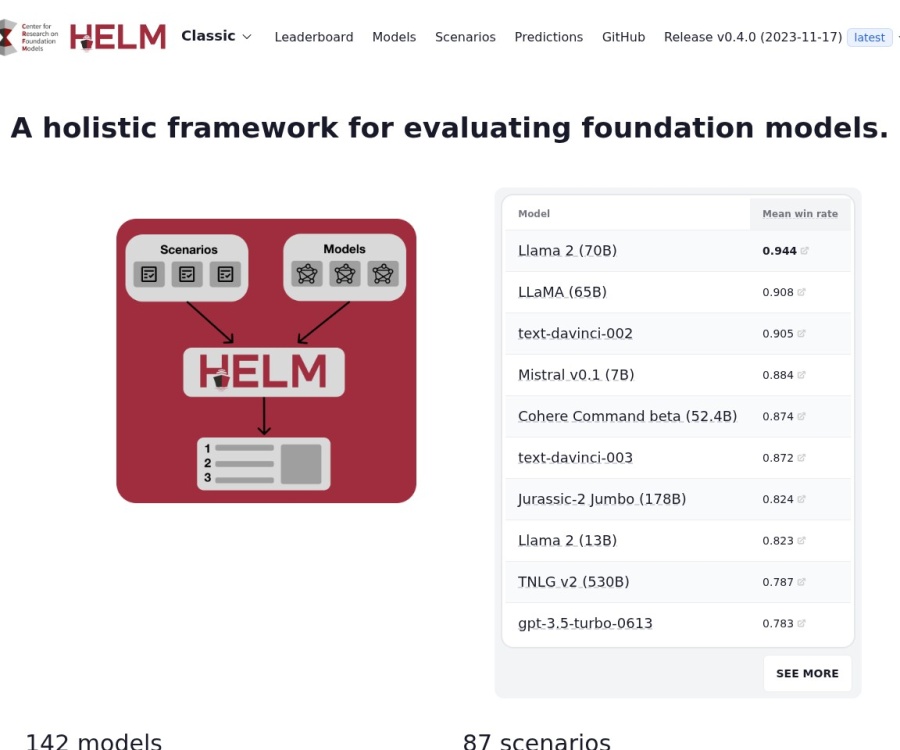
- HELM
- 深入了解斯坦福推出的HELM(Holistic Evaluation of Language Models)大模型评测体系。本文解析其核心功能、安装配置步骤及应用场景,涵盖准确性、公平性、鲁棒性等多维度指标,助力开发者全面优化语言模型性能。
- 301次使用
-

- MMBench
- MMBench是由上海人工智能实验室等机构联合推出的多模态基准测试平台,提供细粒度能力评估、大规模数据集及VLMEvalKit工具。本文详细介绍其核心功能、安装使用方法及应用场景,助力开发者全面评估多模态模型性能。
- 121次使用
查看更多
相关文章
-
- JavaScript函数定义及示例详解
- 2025-05-11 502浏览
-
- 智能体安全引领产业升级——国内AI安全产品市场深度分析
- 2026-08-21 501浏览
-
- CSS变量简化按钮悬停效果技巧
- 2026-05-31 501浏览
-
- JavaScript符号类型详解与应用
- 2026-05-31 501浏览
-
- HTML剪贴板复制粘贴怎么用
- 2026-05-26 501浏览