Array - JavaScript Challenges
来源:dev.to
2024-11-24 13:06:40
0浏览
收藏
一分耕耘,一分收获!既然都打开这篇《Array - JavaScript Challenges》,就坚持看下去,学下去吧!本文主要会给大家讲到等等知识点,如果大家对本文有好的建议或者看到有不足之处,非常欢迎大家积极提出!在后续文章我会继续更新文章相关的内容,希望对大家都有所帮助!

您可以在 repo github 上找到这篇文章中的所有代码。
阵列相关的挑战
数组
/**
 * @return {array}
 */

function arrayof(arr) {
  return [].slice.call(arguments);
}

// usage example
const array1 = [1, 2, 3];
const array2 = [4, 5, 6];

const combinedarray = arrayof(array1, array2);
console.log(combinedarray); // => [ [ 1, 2, 3 ], [ 4, 5, 6 ] ]
数组到树
/**
 * @param {array} arr
 * @return {array}
 */

function arrtotree(arr) {
  const tree = [];
  const hashmap = new map();

  // create nodes and store references
  arr.foreach((item) => {
    hashmap[item.id] = {
      id: item.id,
      name: item.name,
      children: [],
    };
  });

  // build the tree
  arr.foreach((item) => {
    if (item.parentid === null) {
      tree.push(hashmap[item.id]);
    } else {
      hashmap[item.parentid].children.push(hashmap[item.id]);
    }
  });

  return tree;
}

// usage example
const flatarray = [
  { id: 1, name: "node 1", parentid: null },
  { id: 2, name: "node 1.1", parentid: 1 },
  { id: 3, name: "node 1.2", parentid: 1 },
  { id: 4, name: "node 1.1.1", parentid: 2 },
  { id: 5, name: "node 2", parentid: null },
  { id: 6, name: "node 2.1", parentid: 5 },
  { id: 7, name: "node 2.2", parentid: 5 },
];

const tree = arrtotree(flatarray);

console.log(tree); // => [{ id: 1, name: 'node 1', children: [ [object], [object] ] }, { id: 5, name: 'node 2', children: [ [object], [object] ] }]
数组包装器
class arraywrapper {
  constructor(arr) {
    this._arr = arr;
  }

  valueof() {
    return this._arr.reduce((sum, num) => sum + num, 0);
  }

  tostring() {
    return `[${this._arr.join(",")}]`;
  }
}

// usage example
const obj1 = new arraywrapper([1, 2]);
const obj2 = new arraywrapper([3, 4]);
console.log(obj1 + obj2); // => 10
console.log(string(obj1)); // => [1,2]
类数组到数组
/**
 * @param {any} arraylike
 * @return {array}
 */

function arrayliketoarray(arraylike) {
  return array.from(arraylike);
}

// usage example
const arraylike = {
  0: "a",
  1: "b",
  2: "c",
  length: 3,
};
console.log(arrayliketoarray(arraylike)); // => ['a', 'b', 'c']
块
/**
 * @template t
 * @param {array} arr the array to process.
 * @param {number} [size=1] the length of each chunk.
 * @returns {array>} the new array of chunks.
 */

function chunk(arr, size = 1) {
  if (!array.isarray(arr) || size < 1) {
    return [];
  }

  const newarray = [];

  for (let i = 0; i < arr.length; i += size) {
    const chunk = arr.slice(i, i + size);
    newarray.push(chunk);
  }

  return newarray;
}

// usage example
console.log(chunk(["a", "b", "c", "d"])); // => [['a'], ['b'], ['c'], ['d']]
console.log(chunk([1, 2, 3, 4], 2)); // => [[1, 2], [3, 4]]
console.log(chunk([1, 2, 3, 4], 3)); // => [[1, 2, 3], [4]]
组合
/**
 * @param {array} arrs
 * @return {array}
 */

function generatecombinations(arrs) {
  const result = [];

  function backtrack(start, current) {
    if (start === arrs.length) {
      result.push(current.join(''));
      return;
    }

    for (const item of arrs[start]) {
      current.push(item);
      backtrack(start + 1, current);
      current.pop();
    }
  }

  backtrack(0, []);

  return result;
}

// usage example
const nestedarray = [['a', 'b'], [1, 2], [3, 4]];
console.log(generatecombinations(nestedarray)); // => ['a13', 'a14', 'a23', 'a24', 'b13', 'b14', 'b23', 'b24']
不同之处
/**
 * @param {array} array
 * @param {array} values
 * @return {array}
 */

function difference(arr, values) {
  const newarray = [];
  const valueset = new set(values);

  for (let i = 0; i < arr.length; i += 1) {
    const value = arr[i];

    if (
      !valueset.has(value) &&
      !(value === undefined && !object.hasown(arr, i))
    ) {
      newarray.push(value);
    }
  }

  return newarray;
}

// usage example
console.log(difference([1, 2, 3], [2, 3])); // => [1]
console.log(difference([1, 2, 3, 4], [2, 3, 1])); // => [4]
console.log(difference([1, 2, 3], [2, 3, 1, 4])); // => []
console.log(difference([1, , 3], [1])); // => [3]
立即下降
/**
 * @param {array} array
 * @param {function} predicate
 * @return {array}
 */
function droprightwhile(arr, predicate) {
  let index = arr.length - 1;

  while (index >= 0 && predicate(arr[index], index, arr)) {
    index -= 1;
  }

  return arr.slice(0, index + 1);
}

// usage example
console.log(droprightwhile([1, 2, 3, 4, 5], (value) => value > 3)); // => [1, 2, 3]
console.log(droprightwhile([1, 2, 3], (value) => value < 6)); // => []
console.log(droprightwhile([1, 2, 3, 4, 5], (value) => value > 6)); // => [1, 2, 3, 4, 5]
掉落时
/**
 * @param {array} array
 * @param {function} predicate
 * @return {array}
 */

function dropwhile(arr, predicate) {
  let index = 0;

  while (index < arr.length && predicate(arr[index], index, arr)) {
    index += 1;
  }

  return arr.slice(index);
}

// usage example
dropwhile([1, 2, 3, 4, 5], (value) => value < 3); // => [3, 4, 5]
dropwhile([1, 2, 3], (value) => value < 6); // => []
展平
/**
 * @param {array<*|array>} value
 * @return {array}
 */

function flatten(arr) {
  const newarray = [];
  const copy = [...arr];

  while (copy.length) {
    const item = copy.shift();

    if (array.isarray(item)) {
      copy.unshift(...item);
    } else {
      newarray.push(item);
    }
  }

  return newarray;
}

// usage example
console.log(flatten([1, 2, 3])); // [1, 2, 3]

// inner arrays are flattened into a single level.
console.log(flatten([1, [2, 3]])); // [1, 2, 3]
console.log(
  flatten([
    [1, 2],
    [3, 4],
  ])
); // [1, 2, 3, 4]

// flattens recursively.
console.log(flatten([1, [2, [3, [4, [5]]]]])); // [1, 2, 3, 4, 5]
生成唯一的随机数组
/**
 * @param {number} range
 * @param {number} outputcount
 * @return {array}
 */

function generateuniquerandomarray(range, outputcount) {
  const arr = array.from({ length: range }, (_, i) => i + 1);
  const result = [];

  for (let i = 0; i < outputcount; i += 1) {
    const randomindex = math.floor(math.random() * arr.length);
    result.push(arr[randomindex]);
    arr[randomindex] = arr.at(-1);
    arr.pop();
  }

  return result;
}

// usage example
const uniquerandomnumbers = generateuniquerandomarray(10, 5);
console.log(uniquerandomnumbers); // => [3, 7, 1, 9, 5]
交叉点
/**
 * @param {function} iteratee
 * @param {array[]} arrays
 * @returns {array}
 */

function intersectionby(iteratee, ...arrs) {
  if (!arrs.length) {
    return [];
  }

  const mappedarrs = arrs.map((arr) => arr.map(iteratee));
  let intersectedvalues = mappedarrs[0].filter((value) => {
    return mappedarrs.every((mappedarr) => mappedarr.includes(value));
  });

  intersectedvalues = intersectedvalues.filter((value, index, self) => {
    return self.indexof(value) === index;
  });

  return intersectedvalues.map((value) => {
    const index = mappedarrs[0].indexof(value);
    return arrs[0][index];
  });
}

// usage example
const result = intersectionby(math.floor, [1.2, 2.4], [2.5, 3.6]); // => [2.4]
console.log(result); // => [2.4]

const result2 = intersectionby(
  (str) => str.tolowercase(),
  ["apple", "banana", "orange", "orange"],
  ["apple", "banana", "orange"]
);
console.log(result2); // => ['apple', 'banana', 'orange']
路口
/**
 * @param {array[]} arrays - the arrays to find the intersection of.
 * @returns {array} - an array containing the elements common to all input arrays.
 */

function intersectarrays(...arrs) {
  if (!arrs.length) {
    return [];
  }

  const set = new set(arrs[0]);

  for (let i = 1; i < arrs.length; i += 1) {
    set.foreach((value) => {
      if (!arrs[i].includes(value)) {
        set.delete(value);
      }
    });
  }

  return array.from(set);
}

// usage example
console.log(intersectarrays([1, 2, 3, 4], [2, 3, 4, 5], [3, 4, 6])); // => [3, 4]
意思是
/**
 * @param {array} array
 * @return {number}
 */

function mean(arr) {
  return arr.reduce((sum, number) => sum + number, 0) / arr.length;
}

// usage example
console.log(mean([1, 2, 3])); // => 2
console.log(mean([1, 2, 3, 4, 5])); // => 3
删除重复项
/**
 * @param {*} arr
 */

function removeduplicates(arr) {
  return array.from(new set(arr));
}

// usage example
const inputarray = [1, 2, 3, 2, 1, 4, 5, 6, 5, 4];
const outputarray = removeduplicates(inputarray);

console.log(outputarray); // => [1, 2, 3, 4, 5, 6]
随机播放
/**
 * @param {any[]} arr
 * @returns {void}
 */
function shuffle(arr) {
  if (arr.length < 1) {
    return [];
  }

  for (let i = 0; i < arr.length; i += 1) {
    const randidx = math.floor(math.random() * (i + 1));
    [arr[randidx], arr[i]] = [arr[i], arr[randidx]];
  }

  return arr;
}

// usage example
console.log(shuffle([1, 2, 3, 4])); // => [*, *, *, *]
排序方式
/**
 * @param {array} arr
 * @param {function} fn
 * @return {array}
 */

function sortby(arr, fn) {
  return arr.sort((a, b) => fn(a) - fn(b));
}

// usage example
console.log(sortby([5, 4, 1, 2, 3], (x) => x)); // => [1, 2, 3, 4, 5]
树到数组
/**
 * @param {Array} tree
 * @param {number} parentId
 * @return {Array}
 */

function treeToArr(tree, parentId = null) {
  const arr = [];

  tree.forEach((node) => {
    const { id, name } = node;
    arr.push({ id, name, parentId });

    // recursive
    if (node.children && node.children.length > 0) {
      arr.push(...treeToArr(node.children, id));
    }
  });

  return arr;
}

// Usage example
const tree = [
  {
    id: 1,
    name: "Node 1",
    children: [
      {
        id: 2,
        name: "Node 1.1",
        children: [
          {
            id: 4,
            name: "Node 1.1.1",
            children: [],
          },
        ],
      },
      {
        id: 3,
        name: "Node 1.2",
        children: [],
      },
    ],
  },
  {
    id: 5,
    name: "Node 2",
    children: [
      {
        id: 6,
        name: "Node 2.1",
        children: [],
      },
      {
        id: 7,
        name: "Node 2.2",
        children: [],
      },
    ],
  },
];
const flatArray = treeToArr(tree);
console.log(flatArray);
/*
[
  { id: 1, name: 'Node 1', parentId: null },
  { id: 2, name: 'Node 1.1', parentId: 1 },
  { id: 4, name: 'Node 1.1.1', parentId: 2 },
  { id: 3, name: 'Node 1.2', parentId: 1 },
  { id: 5, name: 'Node 2', parentId: null },
  { id: 6, name: 'Node 2.1', parentId: 5 },
  { id: 7, name: 'Node 2.2', parentId: 5 }
]
*/
参考
- 2695。数组包装器 - leetcode
- 2677。块数组 - leetcode
- 2724。排序依据 - leetcode
- 2625。展平深度嵌套数组 - leetcode
- 131。实现 _.chunk() - bfe.dev
- 8.你能 shuffle() 一个数组吗? - bfe.dev
- 384。随机排列数组 - leetcode
- 138。两个排序数组的交集 - bfe.dev
- 167。未排序数组的交集 - bfe.dev
- 66。从数组中删除重复项 - bfe.dev
理论要掌握,实操不能落!以上关于《Array - JavaScript Challenges》的详细介绍,大家都掌握了吧!如果想要继续提升自己的能力,那么就来关注golang学习网公众号吧!
版本声明
本文转载于:dev.to 如有侵犯,请联系study_golang@163.com删除
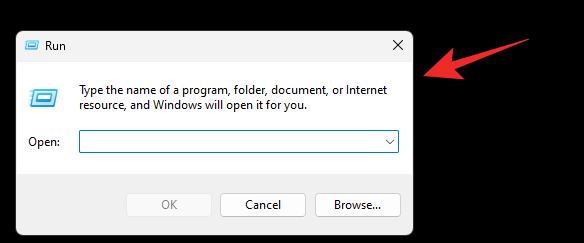 电脑怎么禁止锁屏 win11系统禁止锁定屏幕的方法教程
- 上一篇
- 电脑怎么禁止锁屏 win11系统禁止锁定屏幕的方法教程

- 下一篇
- 学员与保卫星球法典
查看更多
最新文章
-
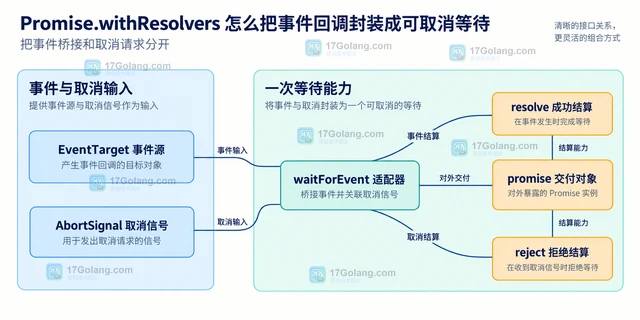
- 文章 · 前端 | 10小时前 | 前端 · 异步编程 · JavaScript 事件监听 AbortSignal Promise.withResolvers
- Promise.withResolvers 怎么把事件回调封装成可取消等待
- 327浏览 收藏
-
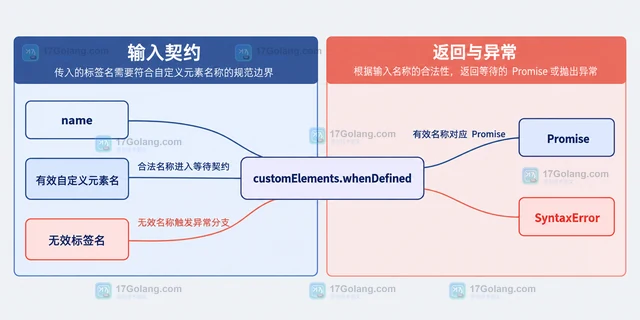
- 文章 · 前端 | 10小时前 | 前端 · javascript · SyntaxError Web Components customElements.whenDefined Custom Elements 自定义元素名称
- customElements.whenDefined 传入无效标签名为什么直接报错
- 223浏览 收藏
-
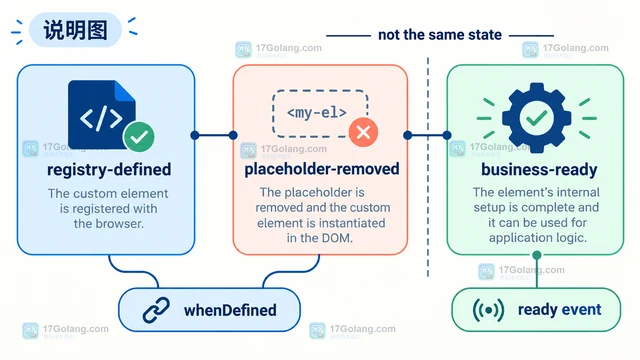
- 文章 · 前端 | 10小时前 |
- customElements.whenDefined 怎么等待一组组件升级后再移除占位
- 222浏览 收藏
-
- 文章 · 前端 | 10小时前 |
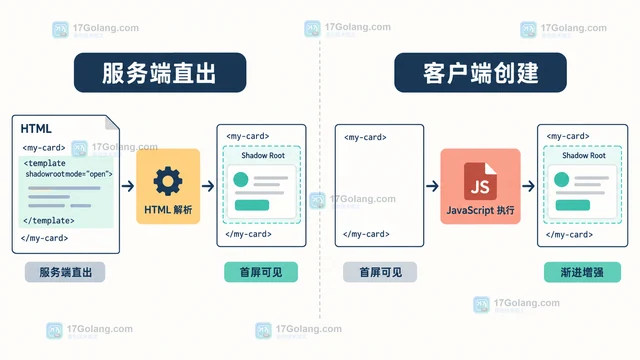
- Declarative Shadow DOM 和客户端 attachShadow 怎么选择首屏渲染方案
- 440浏览 收藏
-
- 文章 · 前端 | 10小时前 | 前端 · 可访问性 · Template Shadow DOM shadowrootmode delegatesFocus
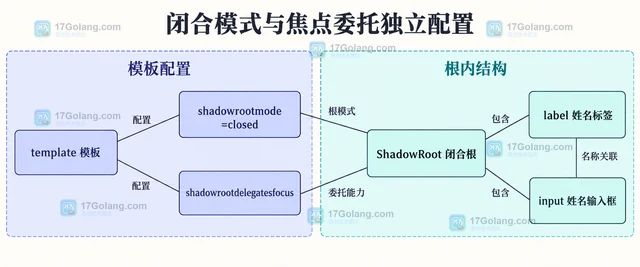
- template shadowrootmode 怎么在闭合阴影根中保留焦点委托
- 120浏览 收藏
-
- 文章 · 前端 | 10小时前 | 前端 · SSR Web Components CustomElementRegistry Declarative Shadow DOM
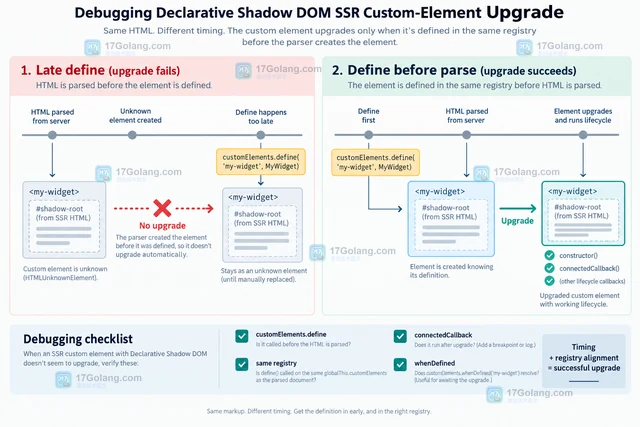
- Declarative Shadow DOM SSR 输出后为什么自定义元素没有升级
- 387浏览 收藏
-
- 文章 · 前端 | 10小时前 |
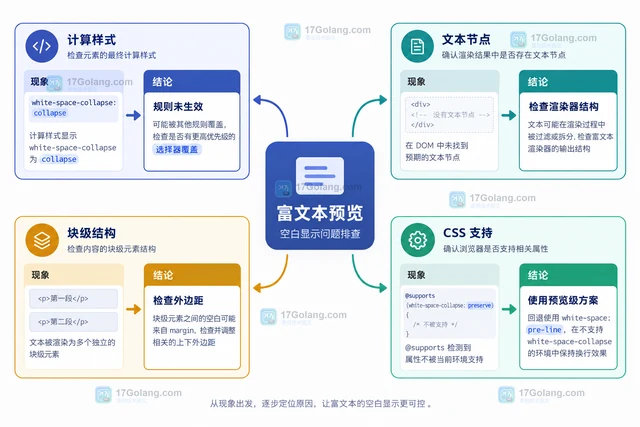
- CSS white-space-collapse 怎么在富文本预览中保留换行并压缩空格
- 308浏览 收藏
-
- 文章 · 前端 | 10小时前 |
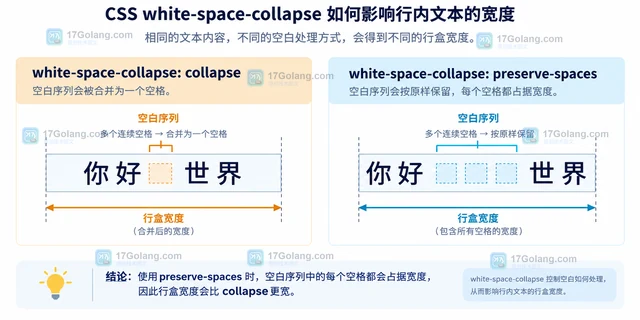
- CSS white-space-collapse 的 preserve-spaces 为什么让行宽计算变了
- 222浏览 收藏
-
- 文章 · 前端 | 10小时前 |
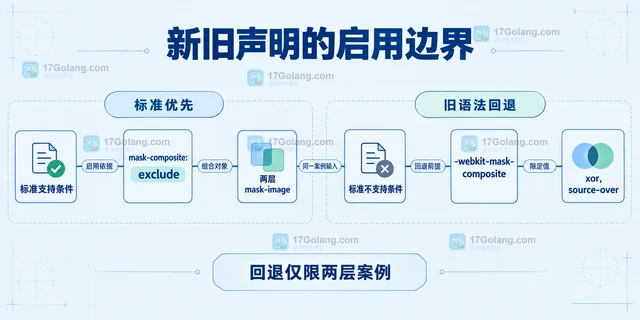
- CSS mask-composite 在 Safari 和 Firefox 结果不同怎么办
- 103浏览 收藏
-
- 文章 · 前端 | 10小时前 |
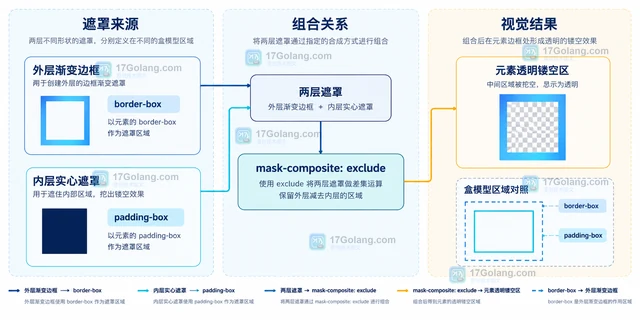
- CSS mask-composite 怎么叠加两层遮罩做镂空边框
- 253浏览 收藏
-
- 文章 · 前端 | 10小时前 |
- CSS :has 不支持时怎么保留可用的降级样式
- 158浏览 收藏
-
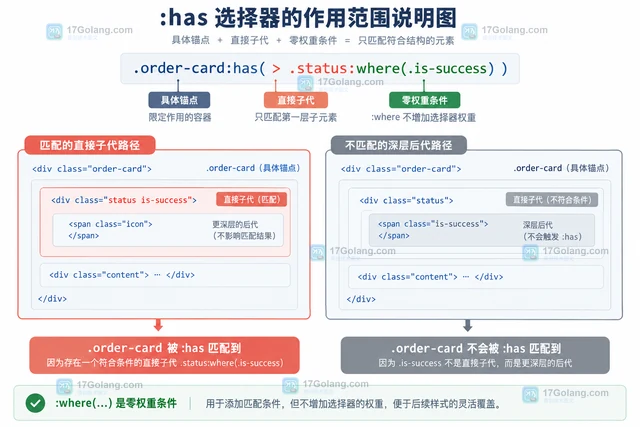
- 文章 · 前端 | 10小时前 | css · CSS选择器优先级 关系选择器 CSS :is CSS :has CSS :where
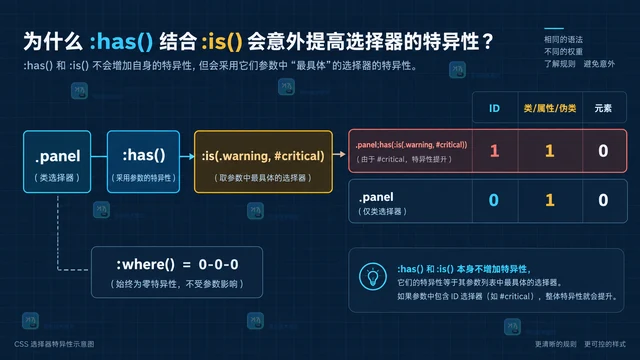
- CSS :has 和 :is() 组合后为什么样式优先级变了
- 474浏览 收藏
查看更多
课程推荐
-

- 前端进阶之JavaScript设计模式
- 设计模式是开发人员在软件开发过程中面临一般问题时的解决方案,代表了最佳的实践。本课程的主打内容包括JS常见设计模式以及具体应用场景,打造一站式知识长龙服务,适合有JS基础的同学学习。
- 543次学习
-

- GO语言核心编程课程
- 本课程采用真实案例,全面具体可落地,从理论到实践,一步一步将GO核心编程技术、编程思想、底层实现融会贯通,使学习者贴近时代脉搏,做IT互联网时代的弄潮儿。
- 516次学习
-

- 简单聊聊mysql8与网络通信
- 如有问题加微信:Le-studyg;在课程中,我们将首先介绍MySQL8的新特性,包括性能优化、安全增强、新数据类型等,帮助学生快速熟悉MySQL8的最新功能。接着,我们将深入解析MySQL的网络通信机制,包括协议、连接管理、数据传输等,让
- 500次学习
-

- JavaScript正则表达式基础与实战
- 在任何一门编程语言中,正则表达式,都是一项重要的知识,它提供了高效的字符串匹配与捕获机制,可以极大的简化程序设计。
- 487次学习
-

- 从零制作响应式网站—Grid布局
- 本系列教程将展示从零制作一个假想的网络科技公司官网,分为导航,轮播,关于我们,成功案例,服务流程,团队介绍,数据部分,公司动态,底部信息等内容区块。网站整体采用CSSGrid布局,支持响应式,有流畅过渡和展现动画。
- 485次学习
查看更多
AI推荐
-

- PubMedQA
- 深入了解PubMedQA生物医学问答数据集,涵盖其核心功能、使用方法及在临床决策、药物研发等场景的应用,助力提升NLP模型性能。
- 463次使用
-
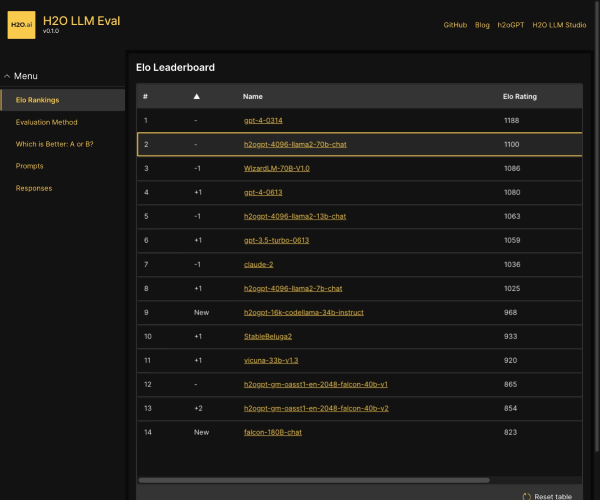
- H2O EvalGPT
- H2O EvalGPT是H2O.ai推出的开源LLM评估平台,提供详细的大模型性能排行榜、行业特定基准测试及A/B测试功能,助您快速选择最适合项目的高性能大语言模型。
- 526次使用
-

- LMArena
- LMArena是加州大学伯克利分校推出的AI模型匿名评测平台。通过盲测投票机制,用户可对比不同大模型回答并生成实时排行榜,助力开发者优化模型及用户选择最佳AI工具。
- 543次使用
-
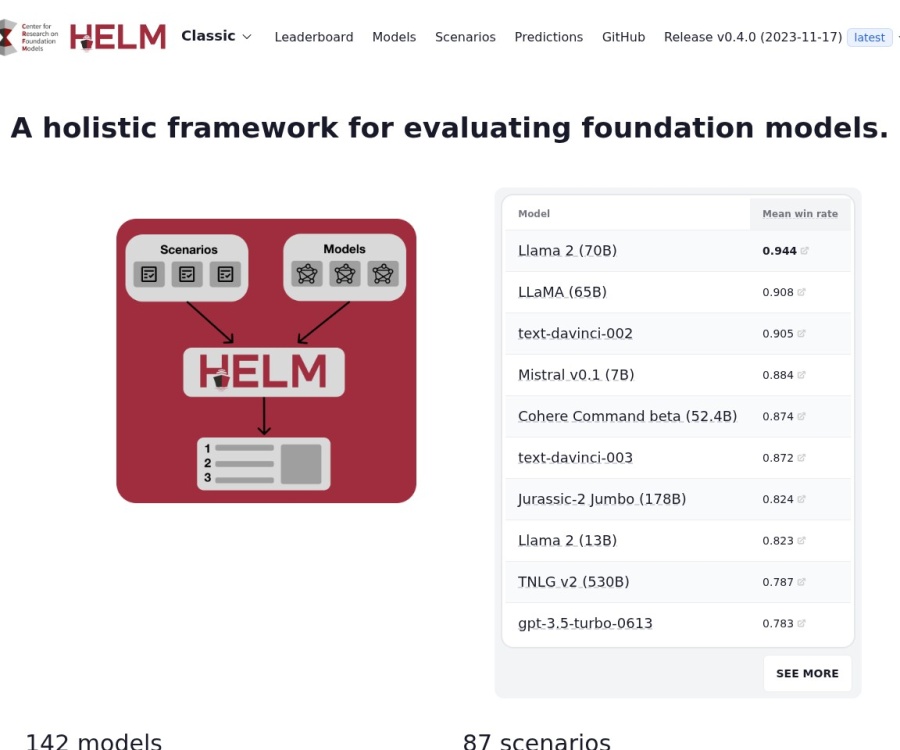
- HELM
- 深入了解斯坦福推出的HELM(Holistic Evaluation of Language Models)大模型评测体系。本文解析其核心功能、安装配置步骤及应用场景,涵盖准确性、公平性、鲁棒性等多维度指标,助力开发者全面优化语言模型性能。
- 491次使用
-

- MMBench
- MMBench是由上海人工智能实验室等机构联合推出的多模态基准测试平台,提供细粒度能力评估、大规模数据集及VLMEvalKit工具。本文详细介绍其核心功能、安装使用方法及应用场景,助力开发者全面评估多模态模型性能。
- 311次使用
查看更多
相关文章
-
- JavaScript函数定义及示例详解
- 2025-05-11 502浏览
-
- 智能体安全引领产业升级——国内AI安全产品市场深度分析
- 2026-08-21 501浏览
-
- CSS变量简化按钮悬停效果技巧
- 2026-05-31 501浏览
-
- JavaScript符号类型详解与应用
- 2026-05-31 501浏览
-
- HTML剪贴板复制粘贴怎么用
- 2026-05-26 501浏览