go原生库的中bytes.Buffer用法
知识点掌握了,还需要不断练习才能熟练运用。下面golang学习网给大家带来一个Golang开发实战,手把手教大家学习《go原生库的中bytes.Buffer用法》,在实现功能的过程中也带大家重新温习相关知识点,温故而知新,回头看看说不定又有不一样的感悟!
1 bytes.Buffer定义
bytes.Buffer提供可扩容的字节缓冲区,实质是对切片的封装;结构中包含一个64字节的小切片,避免小内存分配:
// A Buffer is a variable-sized buffer of bytes with Read and Write methods.
// The zero value for Buffer is an empty buffer ready to use.
type Buffer struct {
 buf       []byte   // contents are the bytes buf[off : len(buf)]
 off       int      // read at &buf[off], write at &buf[len(buf)]--->指示读指针
 bootstrap [64]byte // memory to hold first slice; helps small buffers avoid allocation.
 lastRead  readOp   // last read operation, so that Unread* can work correctly.
}
2 初始化bytes.Buffer的方法
1) var buf bytes.Buffer ->定义一个空的字节缓冲区
2) func NewBuffer(buf []byte) *Buffer { return &Buffer{buf: buf} } -->将字节切片初始化为缓冲区
3) func NewBufferString(s string) *Buffer {return &Buffer{buf: []byte(s)}} -->将字符串初始化为缓冲区
3 提供的主要API函数
1)写字节流数据到缓冲区
// Write appends the contents of p to the buffer, growing the buffer as
// needed. The return value n is the length of p; err is always nil. If the
// buffer becomes too large, Write will panic with ErrTooLarge.
func (b *Buffer) Write(p []byte) (n int, err error) {
 b.lastRead = opInvalid
 m := b.grow(len(p))
 return copy(b.buf[m:], p), nil
}
2)写字符串到缓冲区
// WriteString appends the contents of s to the buffer, growing the buffer as
// needed. The return value n is the length of s; err is always nil. If the
// buffer becomes too large, WriteString will panic with ErrTooLarge.
func (b *Buffer) WriteString(s string) (n int, err error) {
 b.lastRead = opInvalid
 //返回写入的index
 m := b.grow(len(s))
 return copy(b.buf[m:], s), nil
}
3)从缓冲区中读取数据
// Read reads the next len(p) bytes from the buffer or until the buffer
// is drained. The return value n is the number of bytes read. If the
// buffer has no data to return, err is io.EOF (unless len(p) is zero);
// otherwise it is nil.
func (b *Buffer) Read(p []byte) (n int, err error) {
 b.lastRead = opInvalid
 if b.off >= len(b.buf) {
  // Buffer is empty, reset to recover space.
  b.Truncate(0)
  if len(p) == 0 {
   return
  }
  return 0, io.EOF
 }
 n = copy(p, b.buf[b.off:])
 b.off += n
 if n > 0 {
  b.lastRead = opRead
 }
 return
}
4)从缓冲区中读取字符串,直到分隔符delim 位置
// ReadString reads until the first occurrence of delim in the input,
// returning a string containing the data up to and including the delimiter.
// If ReadString encounters an error before finding a delimiter,
// it returns the data read before the error and the error itself (often io.EOF).
// ReadString returns err != nil if and only if the returned data does not end
// in delim.
func (b *Buffer) ReadString(delim byte) (line string, err error) {
 slice, err := b.readSlice(delim)
 return string(slice), err
}
5)将未被读取的字节数据返回
// Bytes returns a slice of length b.Len() holding the unread portion of the buffer.
// The slice is valid for use only until the next buffer modification (that is,
// only until the next call to a method like Read, Write, Reset, or Truncate).
// The slice aliases the buffer content at least until the next buffer modification,
// so immediate changes to the slice will affect the result of future reads.
func (b *Buffer) Bytes() []byte { return b.buf[b.off:] }
6)将未被读取的字节数据以字符串形式返回
// String returns the contents of the unread portion of the buffer // as a string. If the Buffer is a nil pointer, it returns "". func (b *Buffer) String() string { if b == nil { // Special case, useful in debugging. return " " } return string(b.buf[b.off:]) }
7)返回缓冲区当前容量
// Cap returns the capacity of the buffer's underlying byte slice, that is, the
// total space allocated for the buffer's data.
func (b *Buffer) Cap() int { return cap(b.buf) }
8)返回未被读取的字节数据大小
// Len returns the number of bytes of the unread portion of the buffer;
// b.Len() == len(b.Bytes()).
func (b *Buffer) Len() int { return len(b.buf) - b.off }
4 bytes.Buffer自动扩容机制
当向缓冲区写入数据时,首先会检查当前容量是否满足需求,如果不满足分三种情况处理:
1)当前内置缓冲区切片buf为空,且写入数据量小于bootstrap的大小(64字节),则bootstrap作为buf
2)当前未读数据长度+新写入数据长度小于等于缓冲区容量的1/2,则挪动数据(将未读的数据放到已读数据位置)
3)以上条件不满足,只能重新分配切片,容量设定为2*cap(b.buf) + n,即两倍原来的缓冲区容量+写入数据量大小
// grow grows the buffer to guarantee space for n more bytes.
// It returns the index where bytes should be written.
// If the buffer can't grow it will panic with ErrTooLarge.
func (b *Buffer) grow(n int) int {
m := b.Len()
// If buffer is empty, reset to recover space.
if m == 0 && b.off != 0 {
b.Truncate(0)
}
//如果需要的容量大于现在的容量--->
if len(b.buf)+n > cap(b.buf) {
var buf []byte
//现有的预备64byte可以满足
if b.buf == nil && n
5 bytes.Buffer的局限
bytes.Buffer提供了对切片的初步封装,但也没做太多的事;对于已读的数据无法操作。
补充:Golang bytes.Buffer 用法精述
1.简介
bytes.Buffer 是 Golang 标准库中的缓冲区,具有读写方法和可变大小的字节存储功能。缓冲区的零值是一个待使用的空缓冲区。
定义如下:
type Buffer struct {
buf []byte // contents are the bytes buf[off : len(buf)]
off int // read at &buf[off], write at &buf[len(buf)]
lastRead readOp // last read operation, so that Unread* can work correctly.
}
注意要点:
(1)从 bytes.Buffer 读取数据后,被成功读取的数据仍保留在原缓冲区,只是无法被使用,因为缓冲区的可见数据从偏移 off 开始,即buf[off : len(buf)]。
2.常用方法
(1)声明一个 Buffer
var b bytes.Buffer //直接定义一个Buffer变量,不用初始化,可以直接使用
b := new(bytes.Buffer) //使用New返回Buffer变量
b := bytes.NewBuffer(s []byte) //从一个[]byte切片,构造一个Buffer
b := bytes.NewBufferString(s string) //从一个string变量,构造一个Buffer
(2)往 Buffer 中写入数据
b.Write(d []byte) (n int, err error) //将切片d写入Buffer尾部
b.WriteString(s string) (n int, err error) //将字符串s写入Buffer尾部
b.WriteByte(c byte) error //将字符c写入Buffer尾部
b.WriteRune(r rune) (n int, err error) //将一个rune类型的数据放到缓冲区的尾部
b.ReadFrom(r io.Reader) (n int64, err error) //从实现了io.Reader接口的可读取对象写入Buffer尾部
(3)从 Buffer 中读取数据
//读取 n 个字节数据并返回,如果 buffer 不足 n 字节,则读取全部
b.Next(n int) []byte
//一次读取 len(p) 个 byte 到 p 中,每次读取新的内容将覆盖p中原来的内容。成功返回实际读取的字节数,off 向后偏移 n,buffer 没有数据返回错误 io.EOF
b.Read(p []byte) (n int, err error)
//读取第一个byte并返回,off 向后偏移 n
b.ReadByte() (byte, error)
//读取第一个 UTF8 编码的字符并返回该字符和该字符的字节数,b的第1个rune被拿掉。如果buffer为空,返回错误 io.EOF,如果不是UTF8编码的字符,则消费一个字节,返回 (U+FFFD,1,nil)
b.ReadRune() (r rune, size int, err error)
//读取缓冲区第一个分隔符前面的内容以及分隔符并返回,缓冲区会清空读取的内容。如果没有发现分隔符,则返回读取的内容并返回错误io.EOF
b.ReadBytes(delimiter byte) (line []byte, err error)
//读取缓冲区第一个分隔符前面的内容以及分隔符并作为字符串返回,缓冲区会清空读取的内容。如果没有发现分隔符,则返回读取的内容并返回错误 io.EOF
b.ReadString(delimiter byte) (line string, err error)
//将 Buffer 中的内容输出到实现了 io.Writer 接口的可写入对象中,成功返回写入的字节数,失败返回错误
b.WriteTo(w io.Writer) (n int64, err error)
(4)其它操作
b.Bytes() []byte //返回字节切片
b.Cap() int //返回 buffer 内部字节切片的容量
b.Grow(n int) //为 buffer 内部字节切片的容量增加 n 字节
b.Len() int //返回缓冲区数据长度,等于 len(b.Bytes())
b.Reset() //清空数据
b.String() string //字符串化
b.Truncate(n int) //丢弃缓冲区中除前n个未读字节以外的所有字节。如果 n 为负数或大于缓冲区长度,则引发 panic
b.UnreadByte() error //将最后一次读取操作中被成功读取的字节设为未被读取的状态,即将已读取的偏移 off 减 1
b.UnreadRune() error //将最后一次 ReadRune() 读取操作返回的 UTF8 字符 rune设为未被读取的状态,即将已读取的偏移 off 减去 字符 rune 的字节数
3.使用示例
(1)从文件 test.txt 中读取全部内容追加到 buffer 尾部
test.txt 的内容为:
My name is dablelv
具体实现:
package main
import (
"os"
"fmt"
"bytes"
)
func main() {
file, _ := os.Open("./test.txt")
buf := bytes.NewBufferString("Hello world ")
buf.ReadFrom(file) //将text.txt内容追加到缓冲器的尾部
fmt.Println(buf.String())
}
编译运行输出:
Hello world My name is dablelv
以上为个人经验,希望能给大家一个参考,也希望大家多多支持golang学习网。如有错误或未考虑完全的地方,望不吝赐教。
好了,本文到此结束,带大家了解了《go原生库的中bytes.Buffer用法》,希望本文对你有所帮助!关注golang学习网公众号,给大家分享更多Golang知识!
 go语言-在mac下brew升级golang
- 上一篇
- go语言-在mac下brew升级golang

- 下一篇
- Go缓冲channel和非缓冲channel的区别说明
-

- 忧心的大船
- 这篇博文出现的刚刚好,好细啊,很棒,码起来,关注博主了!希望博主能多写Golang相关的文章。
- 2023-02-21 23:23:58
-
- 如意的机器猫
- 赞 ??,一直没懂这个问题,但其实工作中常常有遇到...不过今天到这,看完之后很有帮助,总算是懂了,感谢楼主分享技术贴!
- 2023-02-15 03:27:46
-
- 顺利的板凳
- 这篇文章真是及时雨啊,细节满满,很棒,已加入收藏夹了,关注老哥了!希望老哥能多写Golang相关的文章。
- 2023-01-31 17:13:23
-
- 冷静的花生
- 这篇文章内容真是及时雨啊,太细致了,很有用,收藏了,关注老哥了!希望老哥能多写Golang相关的文章。
- 2022-12-28 10:51:23
-
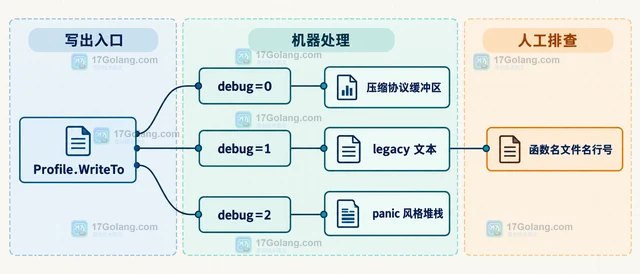
- Golang · Go教程 | 4小时前 | goroutine · pprof · Go教程 · 运行时 · Go pprof 性能诊断 goroutine profile pprof.Lookup
- Go pprof.Lookup 怎样读取 goroutine profile 文本
- 465浏览 收藏
-
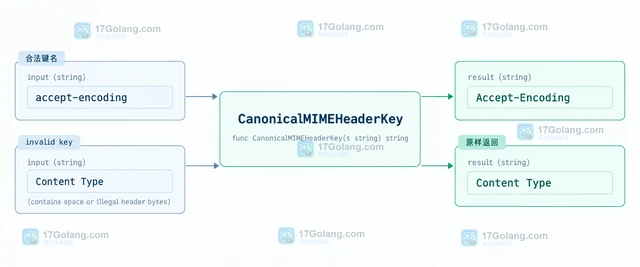
- Golang · Go教程 | 4小时前 | 标准库 · HTTP · Go教程 · Go 请求头 textproto CanonicalMIMEHeaderKey MIMEHeader
- Go textproto.CanonicalMIMEHeaderKey 怎样统一请求头键名
- 283浏览 收藏
-
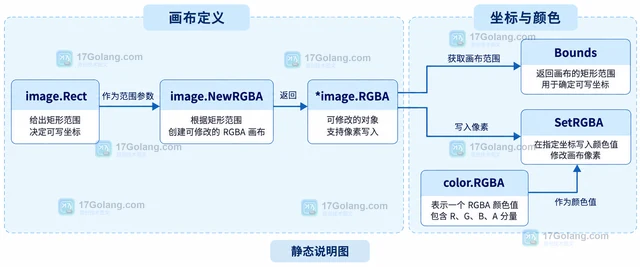
- Golang · Go教程 | 4小时前 |
- Go image.NewRGBA 怎样创建可修改的 RGBA 画布
- 289浏览 收藏
-
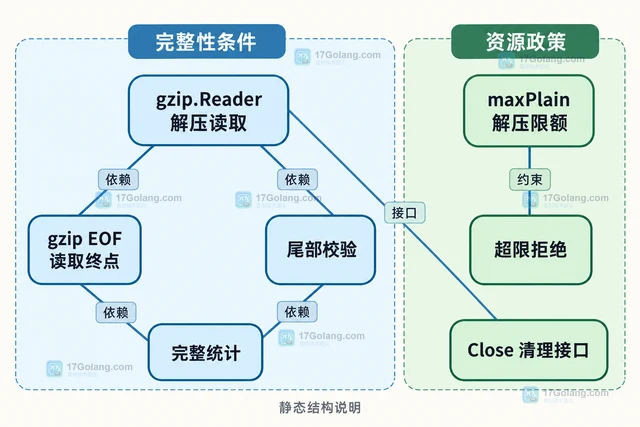
- Golang · Go教程 | 4小时前 |
- Go compress/gzip Reader 怎样复用并正确关闭
- 454浏览 收藏
-
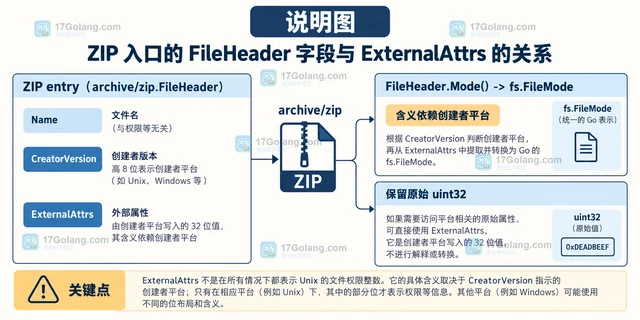
- Golang · Go教程 | 4小时前 |
- Go archive/zip FileHeader.ExternalAttrs 读取条目权限属性
- 460浏览 收藏
-
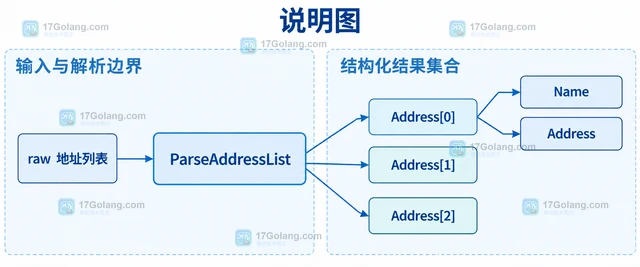
- Golang · Go教程 | 5小时前 | 标准库 · Go教程 · Go 邮箱地址 net/mail ParseAddressList 收件人列表
- Go net/mail ParseAddressList 怎样解析多个收件人
- 465浏览 收藏
-
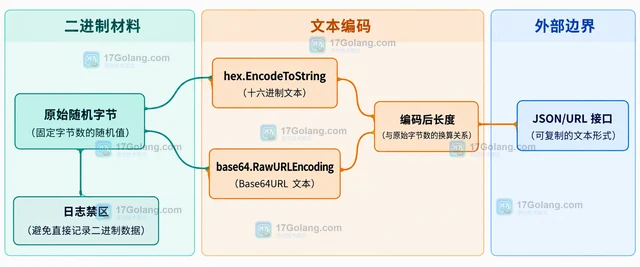
- Golang · Go教程 | 5小时前 | Go教程 · Go crypto/rand 随机令牌 随机字节 密钥材料
- Go crypto/rand 怎样生成固定字节数随机值
- 443浏览 收藏
-
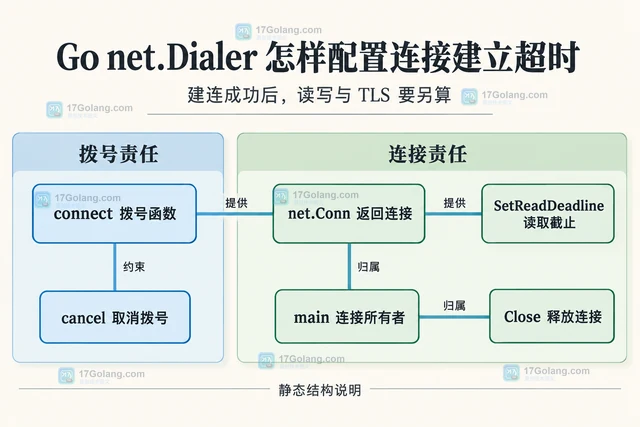
- Golang · Go教程 | 5小时前 |
- Go net.Dialer 怎样配置连接建立超时
- 151浏览 收藏
-
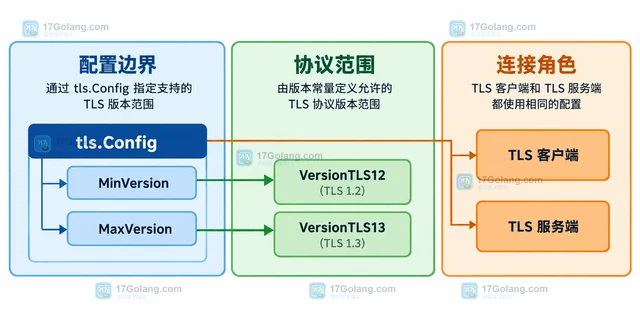
- Golang · Go教程 | 5小时前 |
- Go tls.Config 怎样限制最低 TLS 版本
- 197浏览 收藏
-
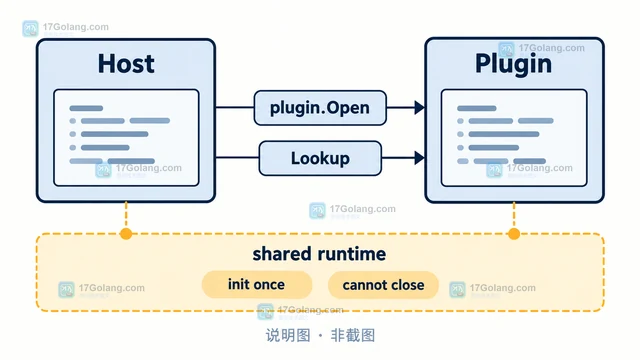
- Golang · Go教程 | 5小时前 | go · Plugin · Go plugin 版本兼容 buildmode=plugin
- Go plugin 包为什么不适合跨版本加载
- 426浏览 收藏
-
- 前端进阶之JavaScript设计模式
- 设计模式是开发人员在软件开发过程中面临一般问题时的解决方案,代表了最佳的实践。本课程的主打内容包括JS常见设计模式以及具体应用场景,打造一站式知识长龙服务,适合有JS基础的同学学习。
- 543次学习
-

- GO语言核心编程课程
- 本课程采用真实案例,全面具体可落地,从理论到实践,一步一步将GO核心编程技术、编程思想、底层实现融会贯通,使学习者贴近时代脉搏,做IT互联网时代的弄潮儿。
- 516次学习
-

- 简单聊聊mysql8与网络通信
- 如有问题加微信:Le-studyg;在课程中,我们将首先介绍MySQL8的新特性,包括性能优化、安全增强、新数据类型等,帮助学生快速熟悉MySQL8的最新功能。接着,我们将深入解析MySQL的网络通信机制,包括协议、连接管理、数据传输等,让
- 500次学习
-
- JavaScript正则表达式基础与实战
- 在任何一门编程语言中,正则表达式,都是一项重要的知识,它提供了高效的字符串匹配与捕获机制,可以极大的简化程序设计。
- 487次学习
-

- 从零制作响应式网站—Grid布局
- 本系列教程将展示从零制作一个假想的网络科技公司官网,分为导航,轮播,关于我们,成功案例,服务流程,团队介绍,数据部分,公司动态,底部信息等内容区块。网站整体采用CSSGrid布局,支持响应式,有流畅过渡和展现动画。
- 485次学习
-
- PubMedQA
- 深入了解PubMedQA生物医学问答数据集,涵盖其核心功能、使用方法及在临床决策、药物研发等场景的应用,助力提升NLP模型性能。
- 600次使用
-
- H2O EvalGPT
- H2O EvalGPT是H2O.ai推出的开源LLM评估平台,提供详细的大模型性能排行榜、行业特定基准测试及A/B测试功能,助您快速选择最适合项目的高性能大语言模型。
- 641次使用
-

- LMArena
- LMArena是加州大学伯克利分校推出的AI模型匿名评测平台。通过盲测投票机制,用户可对比不同大模型回答并生成实时排行榜,助力开发者优化模型及用户选择最佳AI工具。
- 673次使用
-
- HELM
- 深入了解斯坦福推出的HELM(Holistic Evaluation of Language Models)大模型评测体系。本文解析其核心功能、安装配置步骤及应用场景,涵盖准确性、公平性、鲁棒性等多维度指标,助力开发者全面优化语言模型性能。
- 639次使用
-

- MMBench
- MMBench是由上海人工智能实验室等机构联合推出的多模态基准测试平台,提供细粒度能力评估、大规模数据集及VLMEvalKit工具。本文详细介绍其核心功能、安装使用方法及应用场景,助力开发者全面评估多模态模型性能。
- 460次使用
-
- Go bytes.Buffer.Available 怎么判断可写空间:Grow、Append 与 ErrTooLarge 边界
- 2026-08-23 465浏览
-
- Go bytes.Buffer 的 Bytes 为什么不该长期保存:切片别名与复用风险
- 2026-08-27 368浏览
-
- Go bytes.Buffer AvailableBuffer 怎么安全复用:切片容量与下次写入边界
- 2026-08-27 292浏览
-
- Go bytes.Buffer 如何复用来拼接多段二进制数据
- 2026-09-12 396浏览
-
- Go bytes.Buffer设置最大容量防止请求体膨胀的处理方案
- 2026-09-20 390浏览