
为什么 Gosync.Map 在实现上存在差异或者我有错觉?
哈喽!今天心血来潮给大家带来了《为什么 Gosync.Map 在实现上存在差异或者我有错觉?》,想必大家应该对Golang都不陌生吧,那么阅读本文就都不会很困难,以下内容主要涉及到,若是你正在学习Golang,千万别错过这篇文章~希望能帮助到你!
sync.map 是并发安全地图实现。 sync.map 中原始地图的类型实际上是 map[any]*entry。
当我们调用map.loadorstore并且条目存在时,会调用entry.tryloadorstore,以下是该函数的代码
func (e *entry) tryloadorstore(i any) (actual any, loaded, ok bool) {
    p := e.p.load()
    if p == expunged {
        return nil, false, false
    }
    if p != nil {
        return *p, true, true
    }

    // copy the interface after the first load to make this method more amenable
    // to escape analysis: if we hit the "load" path or the entry is expunged, we
    // shouldn't bother heap-allocating.
    ic := i
    for {
        if e.p.compareandswap(nil, &ic) {
            return i, false, true
        }
        p = e.p.load()
        if p == expunged {
            return nil, false, false
        }
        if p != nil {
            return *p, true, true
        }
    }
}
这是另一个函数tryswap,当我们调用swap或store时,也会调用这个函数。
func (e *entry) tryswap(i *any) (*any, bool) {
    for {
        p := e.p.load()
        if p == expunged {
            return nil, false
        }
        if e.p.compareandswap(p, i) {
            return p, true
        }
    }
}
tryloadorstore 可以像 tryswap 一样仅基于其逻辑来实现,但事实并非如此。我的问题是:既然它们的逻辑相似,为什么它们的实现方式不同?
当我尝试理解时,我认为这是因为参数类型的差异,如果 i 是 *any,则不需要进行复制,因为它已经是一个指针,我们不需要关心转义分析。但似乎没有什么特殊原因需要从外部调用者那里获取地址。
    if e, ok := read.m[key]; ok {
        if v, ok := e.trySwap(&value); ok {
            if v == nil {
                return nil, false
            }
            return *v, true
        }
    }
然后我不知道为什么这两个函数(以及其他函数)以不同的方式实现。
正确答案
首先,a quote,来自 bryan mills,sync.map 的原作者:
sync.map 一开始就非常粗糙!
sync.map中的代码对逃逸分析非常敏感,并且实现由基准测试驱动。
让我们深入研究一下提交历史记录。它应该可以帮助我们理解为什么它们以不同的方式实现。
CL 37342的初步实现:
- first patchset 中的实施草案类似:
func (e *entry) trystore(i interface{}) bool {
    for {
        p := atomic.loadpointer(&e.p)
        if p == expunged {
            return false
        }
        if atomic.compareandswappointer(&e.p, p, unsafe.pointer(&i)) {
            return true
        }
    }
}

func (e *entry) tryloadorstore(i interface{}) (actual interface{}, loaded, clean bool) {
    for {
        p := atomic.loadpointer(&e.p)
        if p == expunged {
            return nil, false, false
        }
        if p != nil {
            return *(*interface{})(p), true, true
        }
        if atomic.compareandswappointer(&e.p, nil, unsafe.pointer(&i)) {
            return i, false, true
        }
    }
}
- 接口复制技巧已添加到 patchset 3 中的两个实现中:
// copy the interface to make this method more amenable to escape analysis:
// if we hit the "load" path or the entry is expunged, we shouldn't bother
// heap-allocating.
ic := i
(*entry).trystore被修改为接受 patchset 5 中的指针:
我找不到对此更改的评论。这很可能是逃逸分析和基准测试的结果。
func (e *entry) trystore(i *interface{}) bool {
    p := atomic.loadpointer(&e.p)
    if p == expunged {
        return false
    }
    for {
        if atomic.compareandswappointer(&e.p, p, unsafe.pointer(i)) {
            return true
        }
        p = atomic.loadpointer(&e.p)
        if p == expunged {
            return false
        }
    }
}

func (e *entry) tryloadorstore(i interface{}) (actual interface{}, loaded, ok bool) {
    p := atomic.loadpointer(&e.p)
    if p == expunged {
        return nil, false, false
    }
    if p != nil {
        return *(*interface{})(p), true, true
    }

    // copy the interface after the first load to make this method more amenable
    // to escape analysis: if we hit the "load" path or the entry is expunged, we
    // shouldn't bother heap-allocating.
    ic := i
    for {
        if atomic.compareandswappointer(&e.p, nil, unsafe.pointer(&ic)) {
            return i, false, true
        }
        p = atomic.loadpointer(&e.p)
        if p == expunged {
            return nil, false, false
        }
        if p != nil {
            return *(*interface{})(p), true, true
        }
    }
}
(*entry).trystore 在 CL 137441 中得到简化:
此更改可防止这种逃逸到堆的情况:
sync/map.go:178:26: &e.p escapes to heap
sync/map.go:178:26:     from &e.p (passed to call[argument escapes]) at
func (e *entry) trystore(i *interface{}) bool {
    for {
        p := atomic.loadpointer(&e.p)
        if p == expunged {
            return false
        }
        if atomic.compareandswappointer(&e.p, p, unsafe.pointer(i)) {
            return true
        }
    }
}
(*entry).trystore 在 CL 399094 中重命名为 (*entry).tryswap:
func (e *entry) trySwap(i *any) (*any, bool) {
   for {
       p := e.p.Load()
       if p == expunged {
           return nil, false
       }
       if e.p.CompareAndSwap(p, i) {
           return p, true
       }
   }
}
仅此而已。
注意:其他一些小型 cl 未列出,例如将实现切换为使用 atomic.pointer 的 CL 426074。
今天关于《为什么 Gosync.Map 在实现上存在差异或者我有错觉?》的内容介绍就到此结束,如果有什么疑问或者建议,可以在golang学习网公众号下多多回复交流;文中若有不正之处,也希望回复留言以告知!
 如何查看mac的次版本号?
- 上一篇
- 如何查看mac的次版本号?
- 下一篇
- 无法通过 DSN 忽略连接至 Mac 上 Docker 容器中的 PostgreSQL 数据库,解决 Gorm 应用程序连接失败问题
-
- Golang · Go问答 | 8小时前 |
- Go cgo.Handle 管理 Go 值跨语言传递
- 403浏览 收藏
-
- Golang · Go问答 | 9小时前 | CGO · 内存管理 · Go问答 · Go CGO unsafe.Pointer cgo.Handle runtime.Pinner
- Go cgo 指针规则导致 panic 的边界定位
- 223浏览 收藏
-

- Golang · Go问答 | 9小时前 | go ·
- Go GOMAXPROCS 变化对并发吞吐的影响
- 417浏览 收藏
-
- Golang · Go问答 | 10小时前 | go · pprof · Go alloc_space inuse_space heap profile
- Go heap profile inuse_space 与 alloc_space 的选择
- 350浏览 收藏
-
- Golang · Go问答 | 11小时前 | go · 性能排查 ·
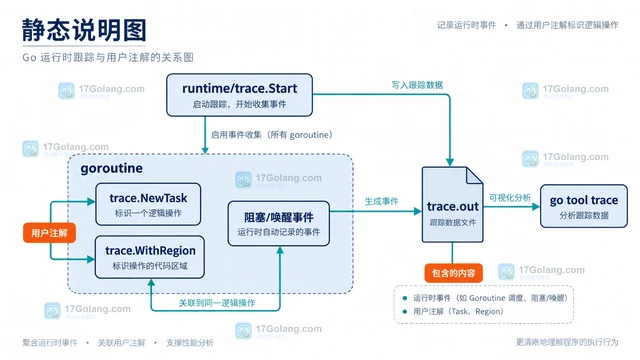
- Go runtime/trace 观察阻塞区域的阅读方式
- 283浏览 收藏
-
- Golang · Go问答 | 11小时前 | Go问答 · Go pprof 性能剖析 goroutine泄漏 并发排查
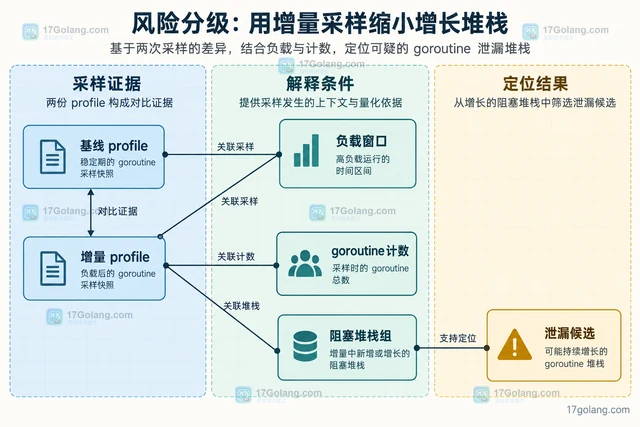
- Go pprof goroutine 泄漏剖析的采样方法
- 104浏览 收藏
-
- Golang · Go问答 | 11小时前 | 垃圾回收 · 资源管理 · Go问答 · Go 资源释放 AddCleanup close SetFinalizer
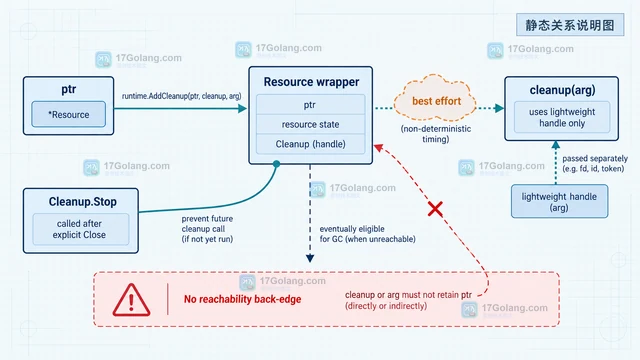
- Go SetFinalizer 不适合资源关闭的替代方案
- 439浏览 收藏
-
- Golang · Go问答 | 12小时前 |
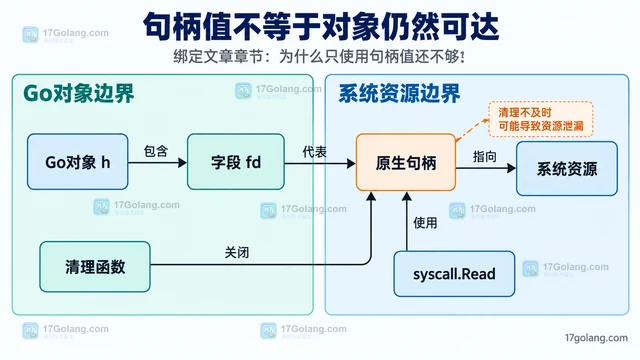
- Go runtime.KeepAlive 防止句柄过早回收
- 489浏览 收藏
-
- Golang · Go问答 | 12小时前 |
- Go Signal Stop 与退出流程的竞态处理
- 168浏览 收藏
-
- Golang · Go问答 | 3天前 |
- Go ColumnTypes 推断动态查询字段的安全用法
- 319浏览 收藏
-
- 前端进阶之JavaScript设计模式
- 设计模式是开发人员在软件开发过程中面临一般问题时的解决方案,代表了最佳的实践。本课程的主打内容包括JS常见设计模式以及具体应用场景,打造一站式知识长龙服务,适合有JS基础的同学学习。
- 543次学习
-

- GO语言核心编程课程
- 本课程采用真实案例,全面具体可落地,从理论到实践,一步一步将GO核心编程技术、编程思想、底层实现融会贯通,使学习者贴近时代脉搏,做IT互联网时代的弄潮儿。
- 516次学习
-

- 简单聊聊mysql8与网络通信
- 如有问题加微信:Le-studyg;在课程中,我们将首先介绍MySQL8的新特性,包括性能优化、安全增强、新数据类型等,帮助学生快速熟悉MySQL8的最新功能。接着,我们将深入解析MySQL的网络通信机制,包括协议、连接管理、数据传输等,让
- 500次学习
-
- JavaScript正则表达式基础与实战
- 在任何一门编程语言中,正则表达式,都是一项重要的知识,它提供了高效的字符串匹配与捕获机制,可以极大的简化程序设计。
- 487次学习
-

- 从零制作响应式网站—Grid布局
- 本系列教程将展示从零制作一个假想的网络科技公司官网,分为导航,轮播,关于我们,成功案例,服务流程,团队介绍,数据部分,公司动态,底部信息等内容区块。网站整体采用CSSGrid布局,支持响应式,有流畅过渡和展现动画。
- 485次学习
-

- PubMedQA
- 深入了解PubMedQA生物医学问答数据集,涵盖其核心功能、使用方法及在临床决策、药物研发等场景的应用,助力提升NLP模型性能。
- 292次使用
-
- H2O EvalGPT
- H2O EvalGPT是H2O.ai推出的开源LLM评估平台,提供详细的大模型性能排行榜、行业特定基准测试及A/B测试功能,助您快速选择最适合项目的高性能大语言模型。
- 344次使用
-

- LMArena
- LMArena是加州大学伯克利分校推出的AI模型匿名评测平台。通过盲测投票机制,用户可对比不同大模型回答并生成实时排行榜,助力开发者优化模型及用户选择最佳AI工具。
- 348次使用
-
- HELM
- 深入了解斯坦福推出的HELM(Holistic Evaluation of Language Models)大模型评测体系。本文解析其核心功能、安装配置步骤及应用场景,涵盖准确性、公平性、鲁棒性等多维度指标,助力开发者全面优化语言模型性能。
- 311次使用
-

- MMBench
- MMBench是由上海人工智能实验室等机构联合推出的多模态基准测试平台,提供细粒度能力评估、大规模数据集及VLMEvalKit工具。本文详细介绍其核心功能、安装使用方法及应用场景,助力开发者全面评估多模态模型性能。
- 133次使用
-
- 用Nginx反向代理部署go写的网站。
- 2023-01-17 502浏览
-
- GoLand调式动态执行代码
- 2023-01-13 502浏览
-
- Go tls.GetCertificate 为什么收不到空 ServerName 请求
- 2026-09-27 501浏览
-
- Go sql.Tx提交成功前读取结果导致事务边界混乱的修复方法
- 2026-09-20 501浏览
-
- Go select 用 time.After 做超时有什么资源代价
- 2026-09-10 501浏览