
go并发编程sync.Cond使用场景及实现原理
对于一个Golang开发者来说,牢固扎实的基础是十分重要的,golang学习网就来带大家一点点的掌握基础知识点。今天本篇文章带大家了解《go并发编程sync.Cond使用场景及实现原理》,主要介绍了go并发编程、sync.Cond,希望对大家的知识积累有所帮助,快点收藏起来吧,否则需要时就找不到了!
使用场景
sync.Cond是go标准库提供的一个条件变量,用于控制一组goroutine在满足特定条件下被唤醒。
sync.Cond常用于一组goroutine等待,一个goroutine通知(事件发生)的场景。如果只有一个goroutine等待,一个goroutine通知(事件发生),使用Mutex或者Channel就可以实现。
可以用一个全局变量标志特定条件condition,每个sync.Cond都必须要关联一个互斥锁(Mutex或者RWMutex),当condition发生变更或者调用Wait时,都必须加锁,保证多个goroutine安全地访问condition。
下面是go标准库http中关于pipe的部分实现,我们可以看到,pipe使用sync.Cond来控制管道中字节流的写入和读取,在pipe中数据可用并且字节流复制到pipe的缓冲区之前,所有的需要读取该管道数据的goroutine都必须等待,直到数据准备完成。
type pipe struct {
   mu       sync.Mutex
   c        sync.Cond     // c.L lazily initialized to &p.mu
   b        pipeBuffer    // nil when done reading
   ...
}
// Read waits until data is available and copies bytes
// from the buffer into p.
func (p *pipe) Read(d []byte) (n int, err error) {
   p.mu.Lock()
   defer p.mu.Unlock()
   if p.c.L == nil {
      p.c.L = &p.mu
   }
   for {
      ...
      if p.b != nil && p.b.Len() > 0 {
         return p.b.Read(d)
      }
      ...
      p.c.Wait() // write未完成前调用Wait进入等待
   }
}
// Write copies bytes from p into the buffer and wakes a reader.
// It is an error to write more data than the buffer can hold.
func (p *pipe) Write(d []byte) (n int, err error) {
   p.mu.Lock()
   defer p.mu.Unlock()
   if p.c.L == nil {
      p.c.L = &p.mu
   }
   defer p.c.Signal() // 唤醒所有等待的goroutine
   if p.err != nil {
      return 0, errClosedPipeWrite
   }
   if p.breakErr != nil {
      p.unread += len(d)
      return len(d), nil // discard when there is no reader
   }
   return p.b.Write(d)
}
实现原理
type Cond struct {
   noCopy noCopy       // 用来保证结构体无法在编译期间拷贝
   // L is held while observing or changing the condition
   L Locker             // 用来保证condition变更安全
   notify  notifyList   // 待通知的goutine列表
   checker copyChecker  // 用于禁止运行期间发生的拷贝
}
type notifyList struct {
   wait   uint32      // 正在等待的goroutine的ticket
   notify uint32      // 已经通知到的goroutine的ticket
   lock   uintptr // key field of the mutex
   head   unsafe.Pointer     // 链表头部
   tail   unsafe.Pointer     // 链表尾部
}
copyChecker
copyChecker是一个指针类型,在创建时,它的值指向自身地址,用于检测该对象是否发生了拷贝。如果发生了拷贝,则直接panic。
// copyChecker holds back pointer to itself to detect object copying.
type copyChecker uintptr
func (c *copyChecker) check() {
   if uintptr(*c) != uintptr(unsafe.Pointer(c)) &&
      !atomic.CompareAndSwapUintptr((*uintptr)(c), 0, uintptr(unsafe.Pointer(c))) &&
      uintptr(*c) != uintptr(unsafe.Pointer(c)) {
      panic("sync.Cond is copied")
   }
}
Wait
调用 Wait 会自动释放锁 c.L,并挂起调用者所在的 goroutine,因此当前协程会阻塞在 Wait 方法调用的地方。如果其他协程调用了 Signal 或 Broadcast 唤醒了该协程,那么 Wait 方法在结束阻塞时,会重新给 c.L 加锁,并且继续执行 Wait 后面的代码。
对条件的检查,使用了 for !condition() 而非 if,是因为当前协程被唤醒时,条件不一定符合要求,需要再次 Wait 等待下次被唤醒。为了保险起见,使用 for 能够确保条件符合要求后,再执行后续的代码。
func (c *Cond) Wait() {
   c.checker.check()
   t := runtime_notifyListAdd(&c.notify)
   c.L.Unlock()
   runtime_notifyListWait(&c.notify, t)
   c.L.Lock()
}
- 检查Cond是否被复制,如果被复制,直接panic;
- 调用runtime_notifyListAdd调用者添加到通知列表并解锁,以便可以接收到通知,然后将返回的ticket传入到runtime_notifyListWait来等待通知。
- 当前goroutine会阻塞在wait调用的地方,直到其他goroutine调用Signal或Broadcast唤醒该协程。
func notifyListAdd(l *notifyList) uint32 {
    return atomic.Xadd(&l.wait, 1) - 1
}
notifyListWait会将当前goroutine追加到链表的尾端,同时调用goparkunlock让当前goroutine陷入休眠,该方法会直接让出当前处理器的使用权并等待调度器的唤醒。
func notifyListWait(l *notifyList, t uint32) {
    s := acquireSudog()
    s.g = getg()
    s.ticket = t
    if l.tail == nil {
       l.head = s
    } else {
       l.tail.next = s
    }
    l.tail = s
    goparkunlock(&l.lock, waitReasonSyncCondWait, traceEvGoBlockCond, 3)
    releaseSudog(s)
}
Signal
Signal会唤醒队列最前面的Goroutine。
func (c *Cond) Signal() {
   c.checker.check()
   runtime_notifyListNotifyOne(&c.notify)
}
func notifyListNotifyOne(l *notifyList) {
   t := l.notify
   atomic.Store(&l.notify, t+1)
   for p, s := (*sudog)(nil), l.head; s != nil; p, s = s, s.next {
      if s.ticket == t {
         n := s.next
         if p != nil {
            p.next = n
         } else {
            l.head = n
         }
         if n == nil {
            l.tail = p
         }
         s.next = nil
         readyWithTime(s, 4)
         return
      }
   }
}
Broadcast
Broadcast会唤醒队列中全部的goroutine。
func (c *Cond) Broadcast() {
    c.checker.check()
    runtime_notifyListNotifyAll(&c.notify)
}
func notifyListNotifyAll(l *notifyList) {
   s := l.head
   l.head = nil
   l.tail = nil
   atomic.Store(&l.notify, atomic.Load(&l.wait))
   for s != nil {
      next := s.next
      s.next = nil
      readyWithTime(s, 4)
      s = next
   }
}
以上就是《go并发编程sync.Cond使用场景及实现原理》的详细内容,更多关于golang的资料请关注golang学习网公众号!
 go熔断原理分析与源码解读
- 上一篇
- go熔断原理分析与源码解读
- 下一篇
- Go-ethereum 解析ethersjs中产生的签名信息思路详解
-
- Golang · Go教程 | 22小时前 |
- Go go.sum 校验记录的提交策略
- 160浏览 收藏
-
- Golang · Go教程 | 22小时前 |
- Go mod graph 排查依赖引入路径的方法
- 142浏览 收藏
-
- Golang · Go教程 | 22小时前 |
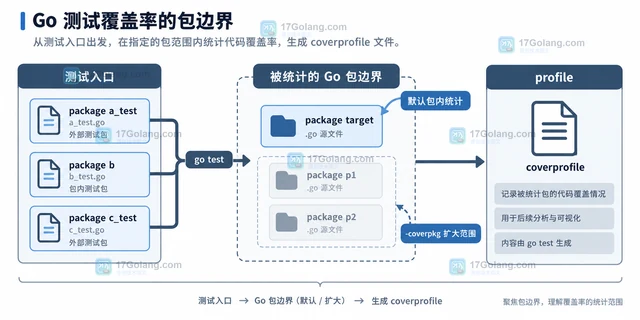
- Go coverprofile 按包查看覆盖盲区
- 262浏览 收藏
-
- Golang · Go教程 | 22小时前 |
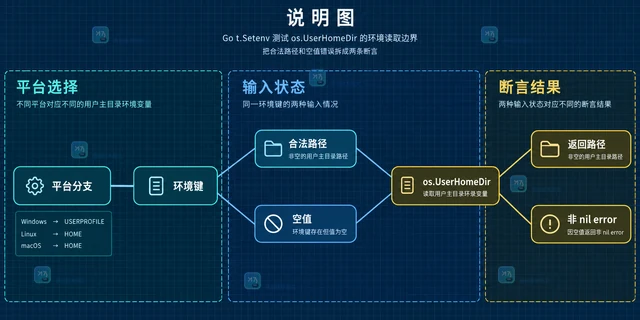
- Go t.Setenv 测试 os.UserHomeDir 的环境读取边界
- 231浏览 收藏
-
- Golang · Go教程 | 22小时前 | Go教程 · Go encoding/json io.Reader buffered json.Decoder JSON流
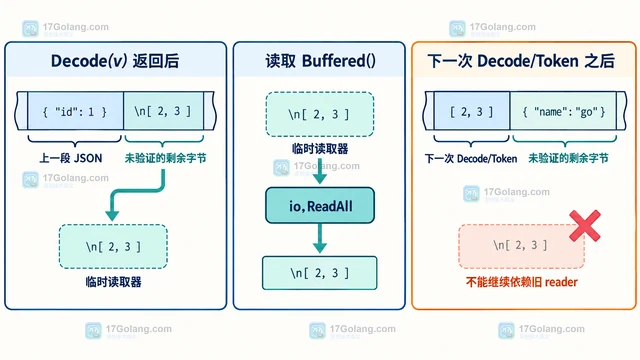
- Go json.Decoder.Buffered 怎样读取尚未消费的输入
- 484浏览 收藏
-
- Golang · Go教程 | 22小时前 | goroutine · 流式处理 · Go教程 · Go io.Pipe 生产者消费者 背压 PipeWriter PipeReader
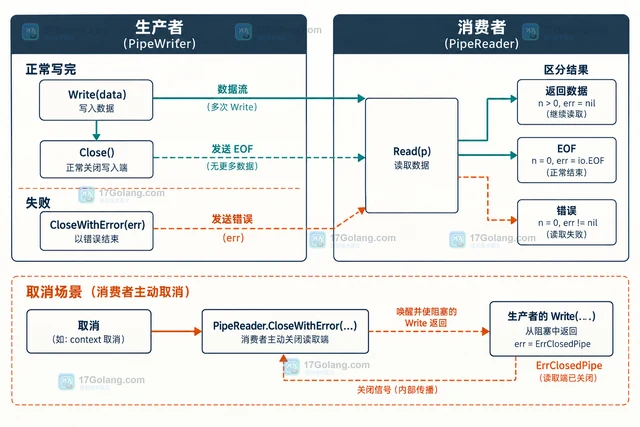
- Go io.Pipe 串流生产者消费者的背压处理
- 228浏览 收藏
-
- Golang · Go教程 | 23小时前 |
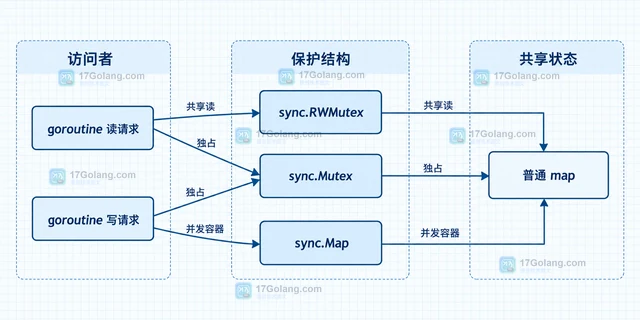
- Go 并发读写 map 的保护结构
- 198浏览 收藏
-
- Golang · Go教程 | 23小时前 |
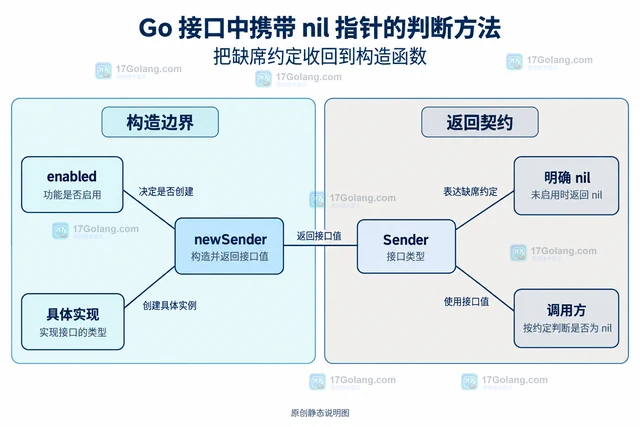
- Go 接口中携带 nil 指针的判断方法
- 380浏览 收藏
-
- 前端进阶之JavaScript设计模式
- 设计模式是开发人员在软件开发过程中面临一般问题时的解决方案,代表了最佳的实践。本课程的主打内容包括JS常见设计模式以及具体应用场景,打造一站式知识长龙服务,适合有JS基础的同学学习。
- 543次学习
-

- GO语言核心编程课程
- 本课程采用真实案例,全面具体可落地,从理论到实践,一步一步将GO核心编程技术、编程思想、底层实现融会贯通,使学习者贴近时代脉搏,做IT互联网时代的弄潮儿。
- 516次学习
-
- 简单聊聊mysql8与网络通信
- 如有问题加微信:Le-studyg;在课程中,我们将首先介绍MySQL8的新特性,包括性能优化、安全增强、新数据类型等,帮助学生快速熟悉MySQL8的最新功能。接着,我们将深入解析MySQL的网络通信机制,包括协议、连接管理、数据传输等,让
- 500次学习
-
- JavaScript正则表达式基础与实战
- 在任何一门编程语言中,正则表达式,都是一项重要的知识,它提供了高效的字符串匹配与捕获机制,可以极大的简化程序设计。
- 487次学习
-

- 从零制作响应式网站—Grid布局
- 本系列教程将展示从零制作一个假想的网络科技公司官网,分为导航,轮播,关于我们,成功案例,服务流程,团队介绍,数据部分,公司动态,底部信息等内容区块。网站整体采用CSSGrid布局,支持响应式,有流畅过渡和展现动画。
- 485次学习
-
- PubMedQA
- 深入了解PubMedQA生物医学问答数据集,涵盖其核心功能、使用方法及在临床决策、药物研发等场景的应用,助力提升NLP模型性能。
- 500次使用
-
- H2O EvalGPT
- H2O EvalGPT是H2O.ai推出的开源LLM评估平台,提供详细的大模型性能排行榜、行业特定基准测试及A/B测试功能,助您快速选择最适合项目的高性能大语言模型。
- 558次使用
-

- LMArena
- LMArena是加州大学伯克利分校推出的AI模型匿名评测平台。通过盲测投票机制,用户可对比不同大模型回答并生成实时排行榜,助力开发者优化模型及用户选择最佳AI工具。
- 586次使用
-
- HELM
- 深入了解斯坦福推出的HELM(Holistic Evaluation of Language Models)大模型评测体系。本文解析其核心功能、安装配置步骤及应用场景,涵盖准确性、公平性、鲁棒性等多维度指标,助力开发者全面优化语言模型性能。
- 537次使用
-

- MMBench
- MMBench是由上海人工智能实验室等机构联合推出的多模态基准测试平台,提供细粒度能力评估、大规模数据集及VLMEvalKit工具。本文详细介绍其核心功能、安装使用方法及应用场景,助力开发者全面评估多模态模型性能。
- 349次使用
-
- Go并发编程sync.Cond的具体使用
- 2023-01-07 185浏览
-
- Go语言中sync.Cond使用详解
- 2023-01-07 459浏览
-
- 一文带你深入理解Go语言中的sync.Cond
- 2023-02-25 491浏览
-
- Go语言sync.Cond如何使用
- 2023-05-01 153浏览
-
- 深入学习Golang并发编程必备利器之sync.Cond类型
- 2023-05-12 488浏览