父协程结束时终止子协程
来源:stackoverflow
2024-02-24 17:42:21
0浏览
收藏
偷偷努力,悄无声息地变强,然后惊艳所有人!哈哈,小伙伴们又来学习啦~今天我将给大家介绍《父协程结束时终止子协程》,这篇文章主要会讲到等等知识点,不知道大家对其都有多少了解,下面我们就一起来看一吧!当然,非常希望大家能多多评论,给出合理的建议,我们一起学习,一起进步!
问题内容
我们有一个主 go 例程,它生成一个父 goroutine,而父 goroutine 又生成一个子 go 例程。
即使父协程返回,子协程仍然运行。这会导致 goroutine 泄漏。
我们如何避免这种情况?
下面我添加了一个代码片段来模拟以下内容 这里的子协程可以是任何长时间运行的进程,例如数据库查询、api 调用等
program output:

in main function -  1
starting parent function -  2
starting child function -  3
child timed out -  3
completed parent -  2  // implying that child goroutine is still running with main routine
package main

import (
    "fmt"
    "runtime"
    "sync"
    "time"
)

// WaitGroup used by main to wait for parent goroutine
var wg sync.WaitGroup

// Long duration process time
var duration = 100


func main() {
    fmt.Println("In main function - ", runtime.NumGoroutine())
    wg.Add(1)
    go parentRoutine()
    wg.Wait()
    fmt.Println("Completed parent - ", runtime.NumGoroutine())
}

func parentRoutine() {
    fmt.Println("Starting parent function - ", runtime.NumGoroutine())
    childRes := make(chan int)


        // Spawning child goroutine
    go func() {

               // Here the child is a simulation of a long running process which might take more time than expected timeout. It runs even after parent returns due to timeout


        fmt.Println("Starting child function - ", runtime.NumGoroutine())
        time.Sleep(time.Duration(duration)*time.Second)
        fmt.Println("Child ended - ", runtime.NumGoroutine())
        childRes <- 1
    }()

    select {
    case <-childRes:
        fmt.Println("Child completed - ", runtime.NumGoroutine())
    case <- time.After(time.Duration(3)*time.Second):
        fmt.Println("Child timed out - ", runtime.NumGoroutine())
    }
    wg.Done()
}
解决方案
这是带有上下文的代码片段:https://play.golang.org/p/0TXyt4vuGKJ。
package main

import (
    "context"
    "fmt"
    "runtime"
    "sync"
    "time"
)

// waitgroup used by main to wait for parent goroutine
var wg sync.waitgroup

// long duration process time
var duration = 100

func main() {
    fmt.println("in main function - ", runtime.numgoroutine())
    wg.add(1)
    ctx, cancel := context.withcancel(context.background())
    go parentroutine(ctx)
    wg.wait()
    cancel()
    time.sleep(time.second) //if main immediately exists the child goroutine does not
                            //have the time to terminate.
    fmt.println("completed parent - ", runtime.numgoroutine())
}

func parentroutine(ctx context.context) {
    fmt.println("starting parent function - ", runtime.numgoroutine())
    childres := make(chan int)

    // spawning child goroutine
    go func(ctx context.context) {

        // here the child is a simulation of a long running process which might take more time than expected timeout. it runs even after parent returns due to timeout

        fmt.println("starting child function - ", runtime.numgoroutine())
        select {
        case <-ctx.done():
            fmt.println("child's context expired - ", runtime.numgoroutine())
        case <-time.after(time.duration(duration) * time.second):
            //time consuming task
        }
        fmt.println("child ended - ", runtime.numgoroutine())
        childres <- 1
    }(ctx)

    select {
    case <-ctx.done():
        fmt.println("parent's context expired - ", runtime.numgoroutine())
    case <-childres:
        fmt.println("child completed - ", runtime.numgoroutine())
    case <-time.after(time.duration(3) * time.second):
        fmt.println("child timed out - ", runtime.numgoroutine())
    }
    wg.done()
}
现在的输出如下:
In main function -  1
Starting parent function -  2
Starting child function -  3
Child timed out -  3
Child's context expired -  2
Child ended -  2
Completed parent -  2
以上就是本文的全部内容了,是否有顺利帮助你解决问题?若是能给你带来学习上的帮助,请大家多多支持golang学习网!更多关于Golang的相关知识,也可关注golang学习网公众号。
版本声明
本文转载于:stackoverflow 如有侵犯,请联系study_golang@163.com删除
 如何在 *string 值为 nil 时转换 *string 类型为 *wrapperspb.StringValue 类型?
- 上一篇
- 如何在 *string 值为 nil 时转换 *string 类型为 *wrapperspb.StringValue 类型?

- 下一篇
- 如何黑洞标准 Go 网络请求
查看更多
最新文章
-
- Golang · Go问答 | 1小时前 | go · Go GODEBUG 构建缓存 gocacheverify
- Go GODEBUG gocacheverify 校验缓存一致性
- 313浏览 收藏
-
- Golang · Go问答 | 2小时前 |
- Go build 缓存命中异常时的清理与定位
- 226浏览 收藏
-
- Golang · Go问答 | 12小时前 |
- Go cgo.Handle 管理 Go 值跨语言传递
- 403浏览 收藏
-
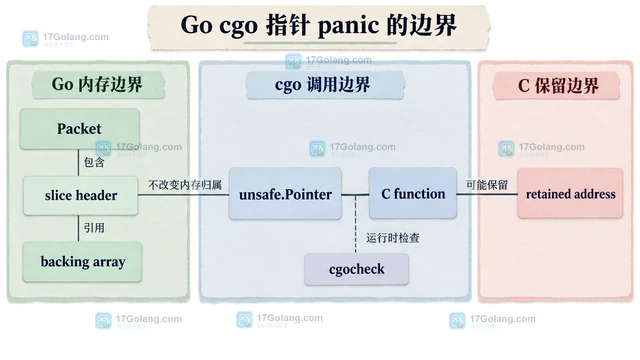
- Golang · Go问答 | 12小时前 | CGO · 内存管理 · Go问答 · Go CGO unsafe.Pointer cgo.Handle runtime.Pinner
- Go cgo 指针规则导致 panic 的边界定位
- 223浏览 收藏
-
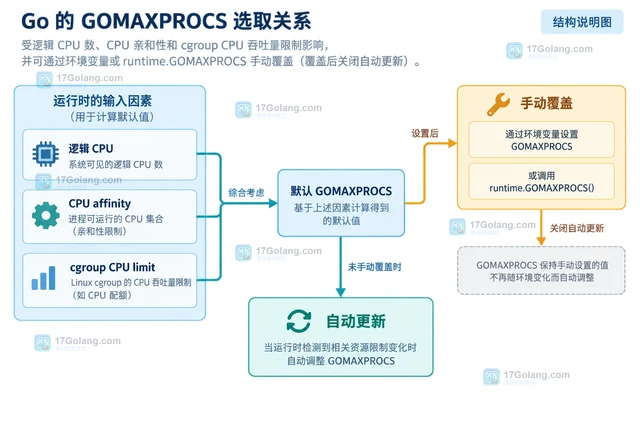
- Golang · Go问答 | 13小时前 | go ·
- Go GOMAXPROCS 变化对并发吞吐的影响
- 417浏览 收藏
-
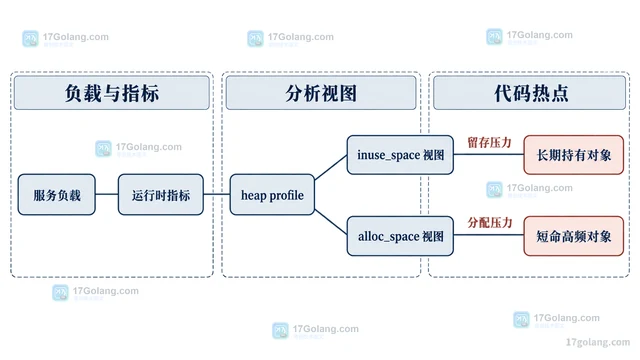
- Golang · Go问答 | 14小时前 | go · pprof · Go alloc_space inuse_space heap profile
- Go heap profile inuse_space 与 alloc_space 的选择
- 350浏览 收藏
-
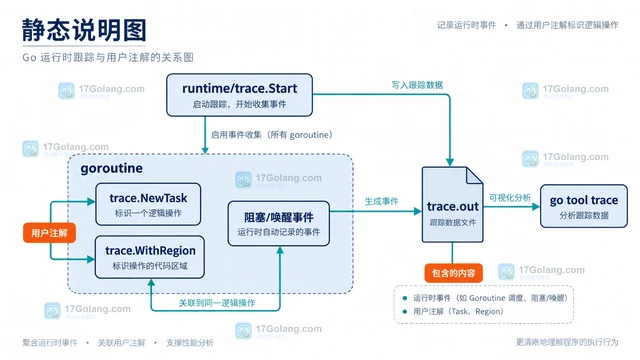
- Golang · Go问答 | 14小时前 | go · 性能排查 ·
- Go runtime/trace 观察阻塞区域的阅读方式
- 283浏览 收藏
-
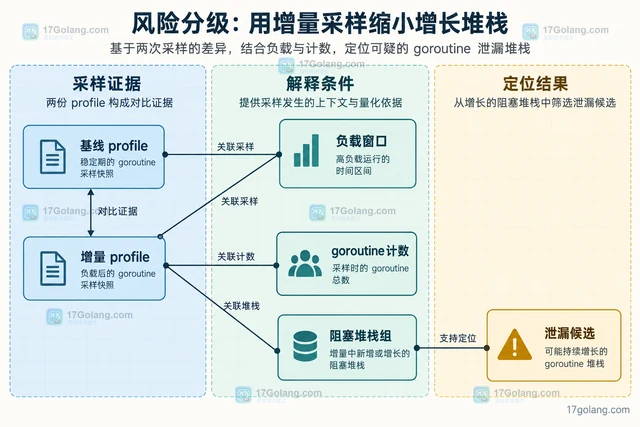
- Golang · Go问答 | 14小时前 | Go问答 · Go pprof 性能剖析 goroutine泄漏 并发排查
- Go pprof goroutine 泄漏剖析的采样方法
- 104浏览 收藏
-
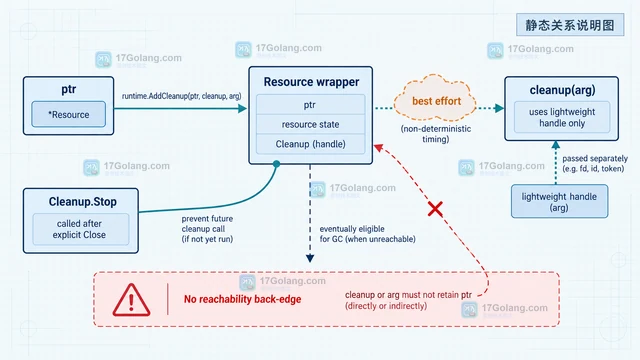
- Golang · Go问答 | 15小时前 | 垃圾回收 · 资源管理 · Go问答 · Go 资源释放 AddCleanup close SetFinalizer
- Go SetFinalizer 不适合资源关闭的替代方案
- 439浏览 收藏
-
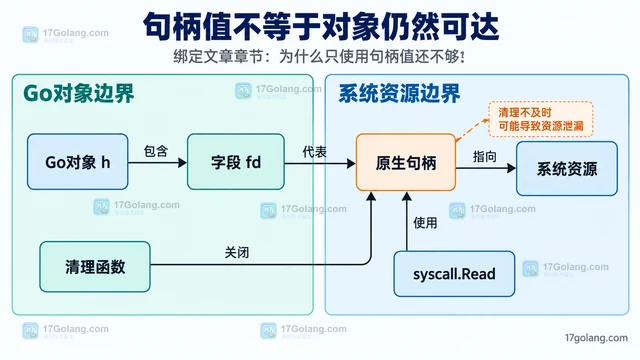
- Golang · Go问答 | 15小时前 |
- Go runtime.KeepAlive 防止句柄过早回收
- 489浏览 收藏
查看更多
课程推荐
-
- 前端进阶之JavaScript设计模式
- 设计模式是开发人员在软件开发过程中面临一般问题时的解决方案,代表了最佳的实践。本课程的主打内容包括JS常见设计模式以及具体应用场景,打造一站式知识长龙服务,适合有JS基础的同学学习。
- 543次学习
-

- GO语言核心编程课程
- 本课程采用真实案例,全面具体可落地,从理论到实践,一步一步将GO核心编程技术、编程思想、底层实现融会贯通,使学习者贴近时代脉搏,做IT互联网时代的弄潮儿。
- 516次学习
-
- 简单聊聊mysql8与网络通信
- 如有问题加微信:Le-studyg;在课程中,我们将首先介绍MySQL8的新特性,包括性能优化、安全增强、新数据类型等,帮助学生快速熟悉MySQL8的最新功能。接着,我们将深入解析MySQL的网络通信机制,包括协议、连接管理、数据传输等,让
- 500次学习
-
- JavaScript正则表达式基础与实战
- 在任何一门编程语言中,正则表达式,都是一项重要的知识,它提供了高效的字符串匹配与捕获机制,可以极大的简化程序设计。
- 487次学习
-

- 从零制作响应式网站—Grid布局
- 本系列教程将展示从零制作一个假想的网络科技公司官网,分为导航,轮播,关于我们,成功案例,服务流程,团队介绍,数据部分,公司动态,底部信息等内容区块。网站整体采用CSSGrid布局,支持响应式,有流畅过渡和展现动画。
- 485次学习
查看更多
AI推荐
-
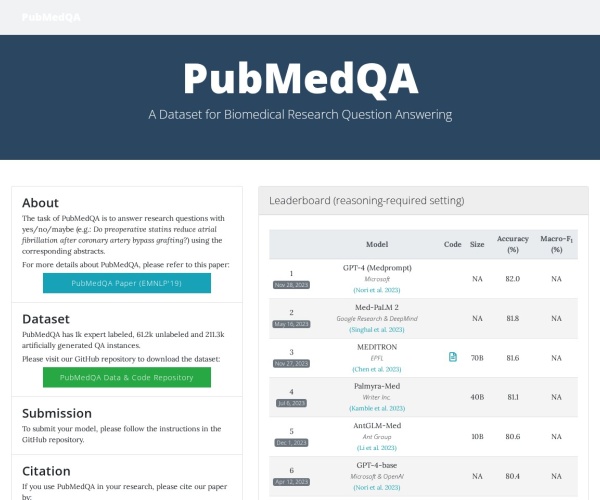
- PubMedQA
- 深入了解PubMedQA生物医学问答数据集,涵盖其核心功能、使用方法及在临床决策、药物研发等场景的应用,助力提升NLP模型性能。
- 293次使用
-
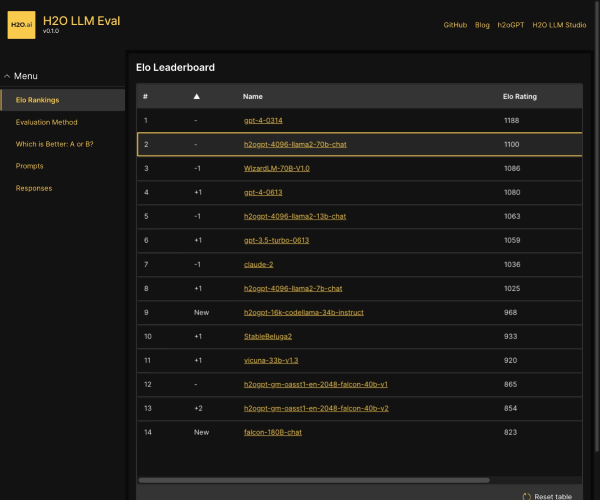
- H2O EvalGPT
- H2O EvalGPT是H2O.ai推出的开源LLM评估平台,提供详细的大模型性能排行榜、行业特定基准测试及A/B测试功能,助您快速选择最适合项目的高性能大语言模型。
- 346次使用
-

- LMArena
- LMArena是加州大学伯克利分校推出的AI模型匿名评测平台。通过盲测投票机制,用户可对比不同大模型回答并生成实时排行榜,助力开发者优化模型及用户选择最佳AI工具。
- 352次使用
-
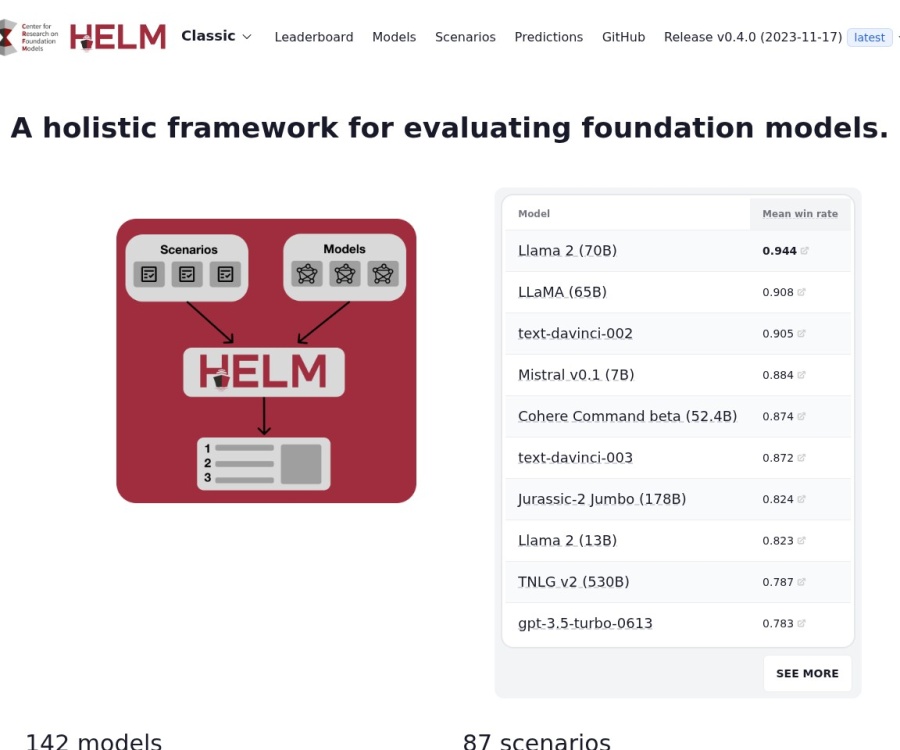
- HELM
- 深入了解斯坦福推出的HELM(Holistic Evaluation of Language Models)大模型评测体系。本文解析其核心功能、安装配置步骤及应用场景,涵盖准确性、公平性、鲁棒性等多维度指标,助力开发者全面优化语言模型性能。
- 314次使用
-

- MMBench
- MMBench是由上海人工智能实验室等机构联合推出的多模态基准测试平台,提供细粒度能力评估、大规模数据集及VLMEvalKit工具。本文详细介绍其核心功能、安装使用方法及应用场景,助力开发者全面评估多模态模型性能。
- 134次使用
查看更多
相关文章
-
- 用Nginx反向代理部署go写的网站。
- 2023-01-17 502浏览
-
- GoLand调式动态执行代码
- 2023-01-13 502浏览
-
- Go tls.GetCertificate 为什么收不到空 ServerName 请求
- 2026-09-27 501浏览
-
- Go sql.Tx提交成功前读取结果导致事务边界混乱的修复方法
- 2026-09-20 501浏览
-
- Go select 用 time.After 做超时有什么资源代价
- 2026-09-10 501浏览